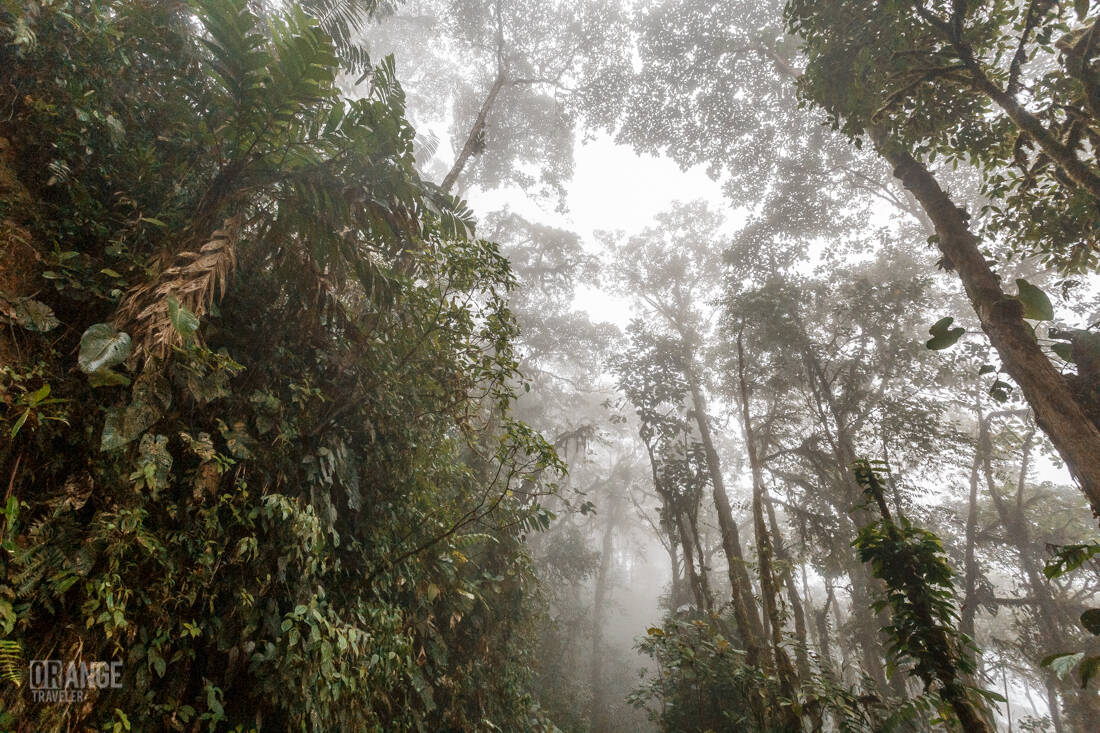
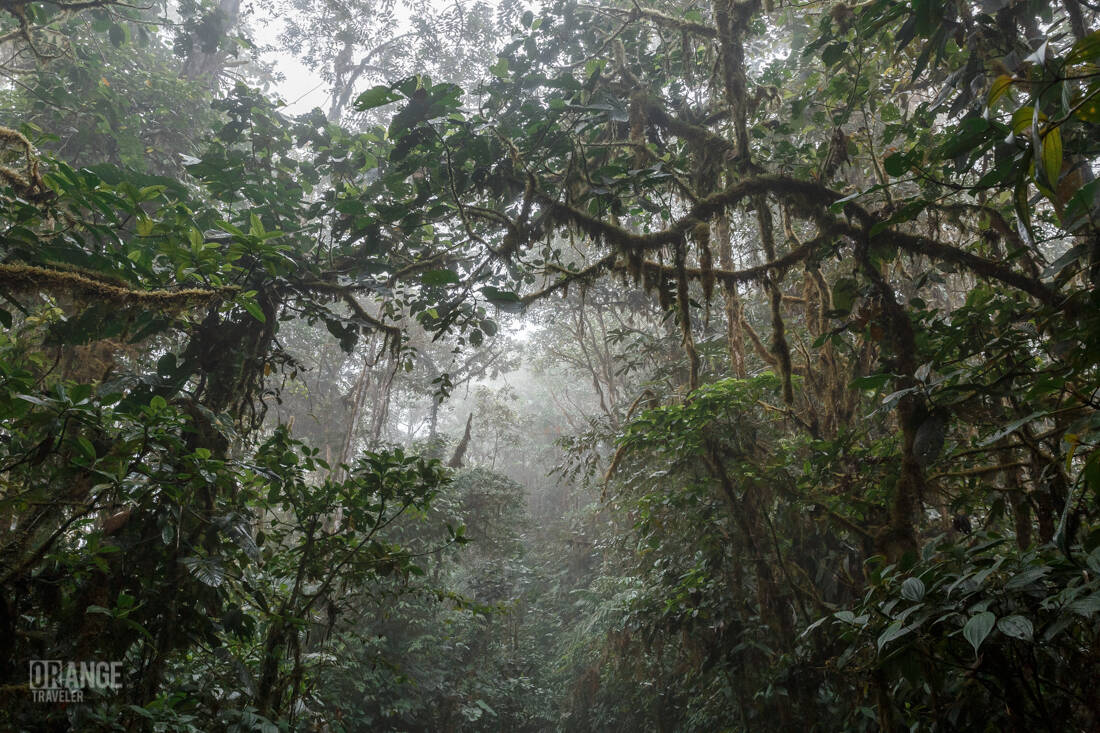
Mashpi Forest, I’m telling you, is an absolutely living biosphere, and once you enter it, you fall through time and reality. Say, into the Mesozoic. More precisely, into the Jurassic period. I have a feeling it looked exactly like this. Someone is screaming, but you can’t tell who — a Chocó toucan or a howler monkey. Something moves, crackles, rustles and follows you, but you see no one. Somewhere something drips and squelches, and it seems ready to swallow you any second — but what? Frankly, I would not have been surprised if pterodactyls had flown over the treetops. Then again, perhaps that is exactly how everything was, and until quite recently too. In fact, over the past hundred years, only 2% of the Chocó forests remain — forests that once stretched from eastern Panama through Colombia and Ecuador to northwestern Peru.
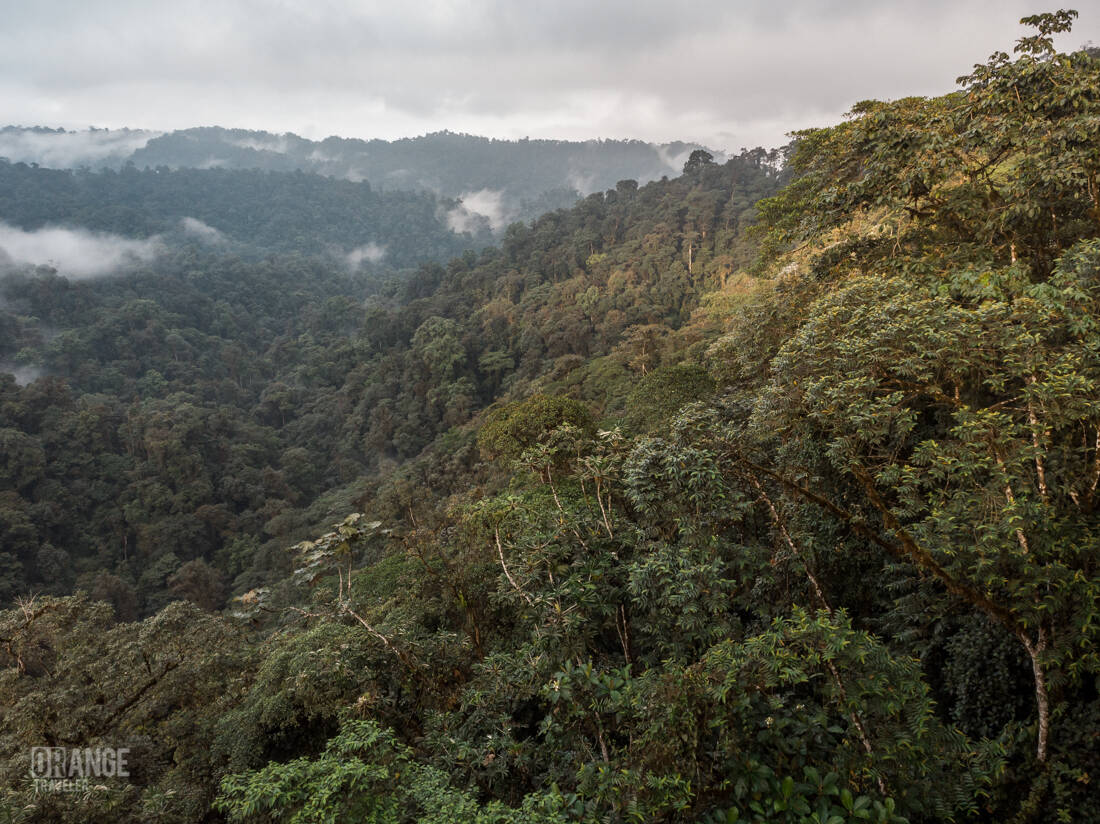
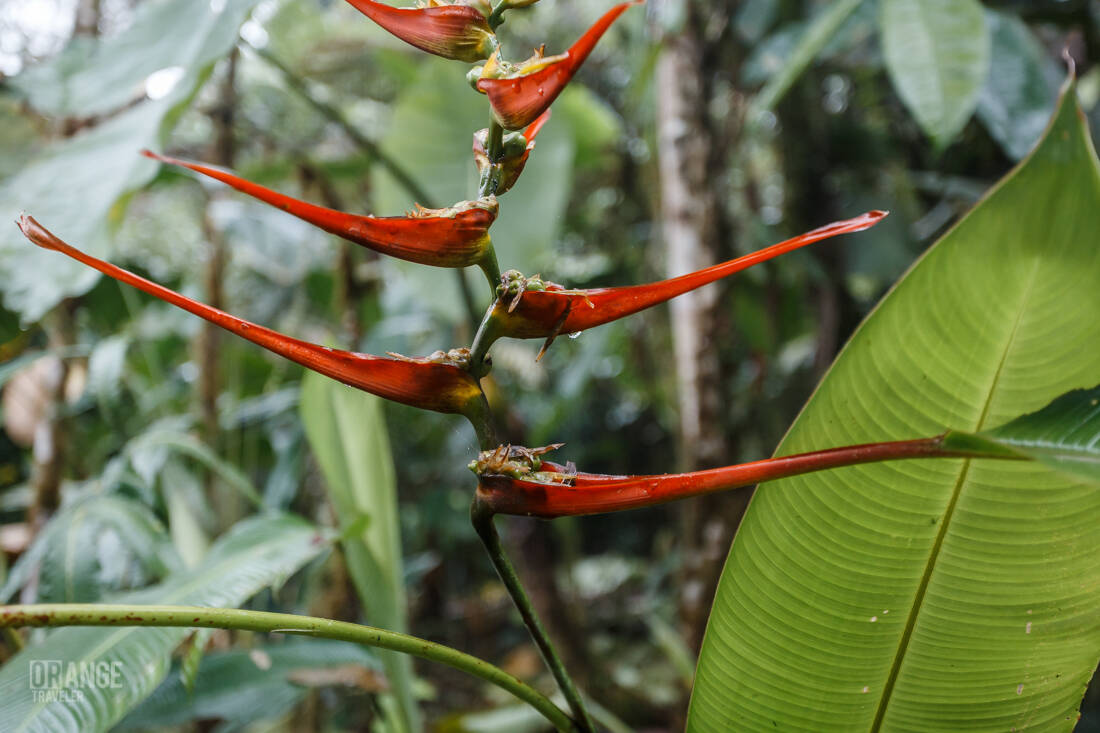
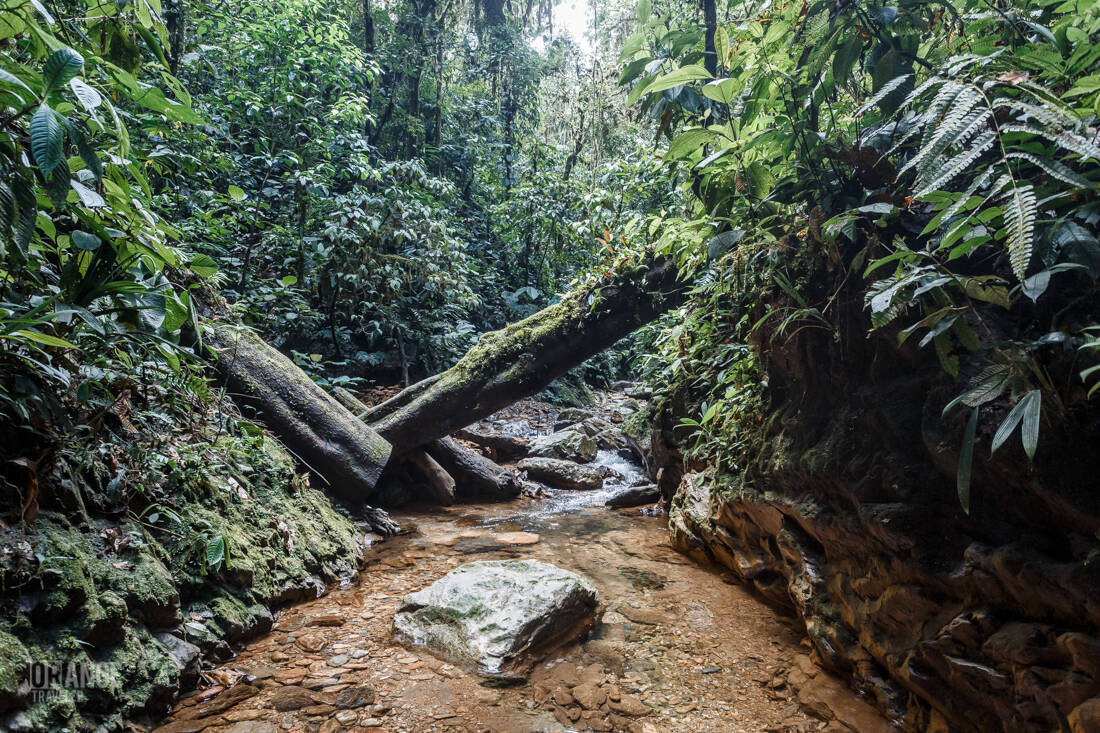
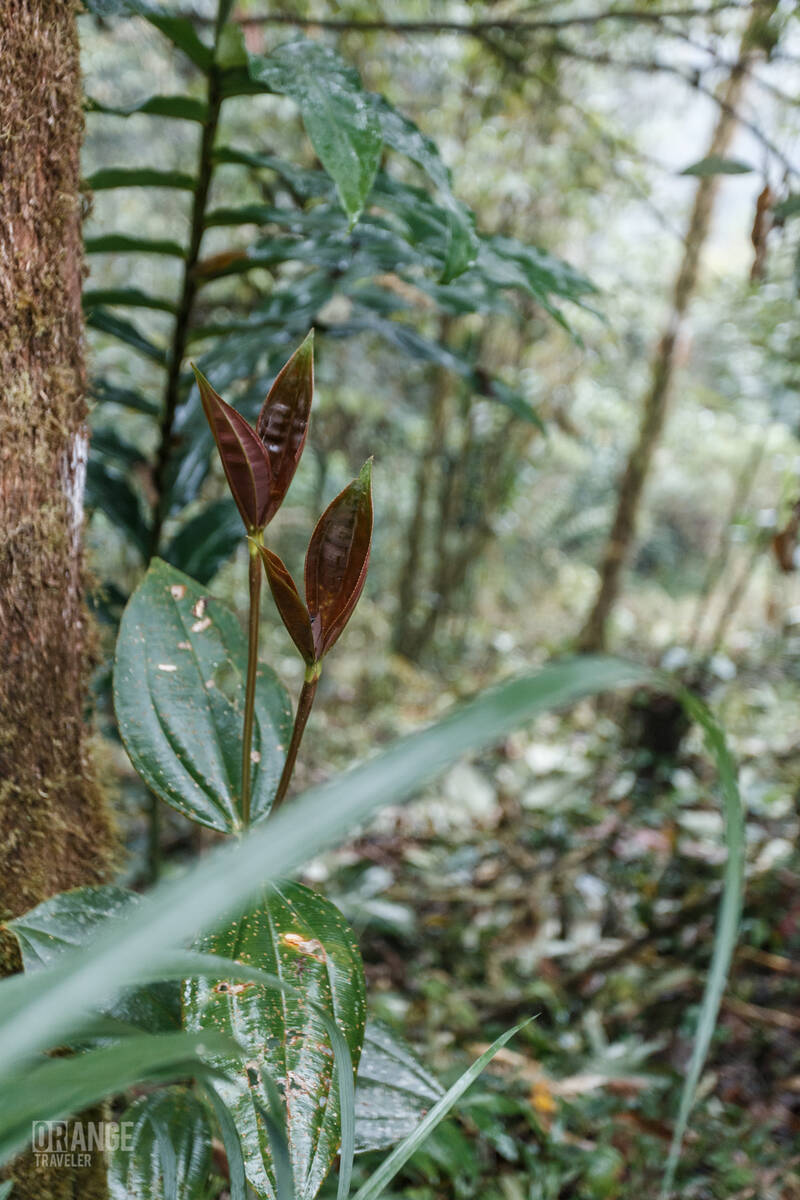
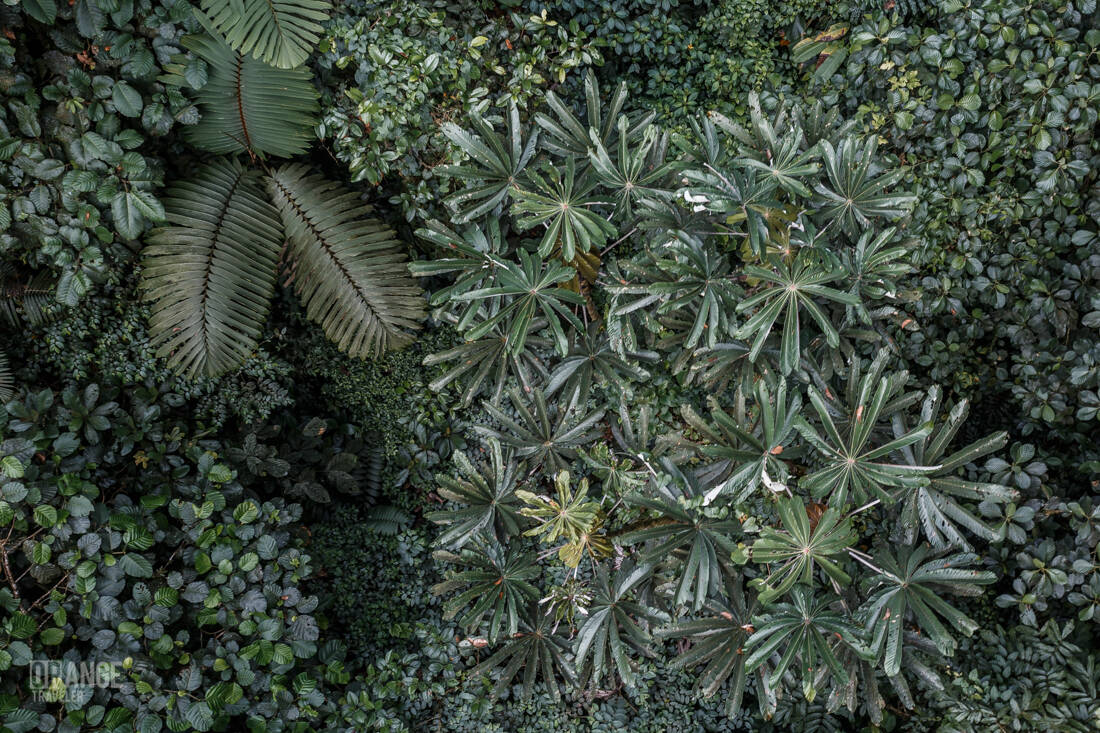
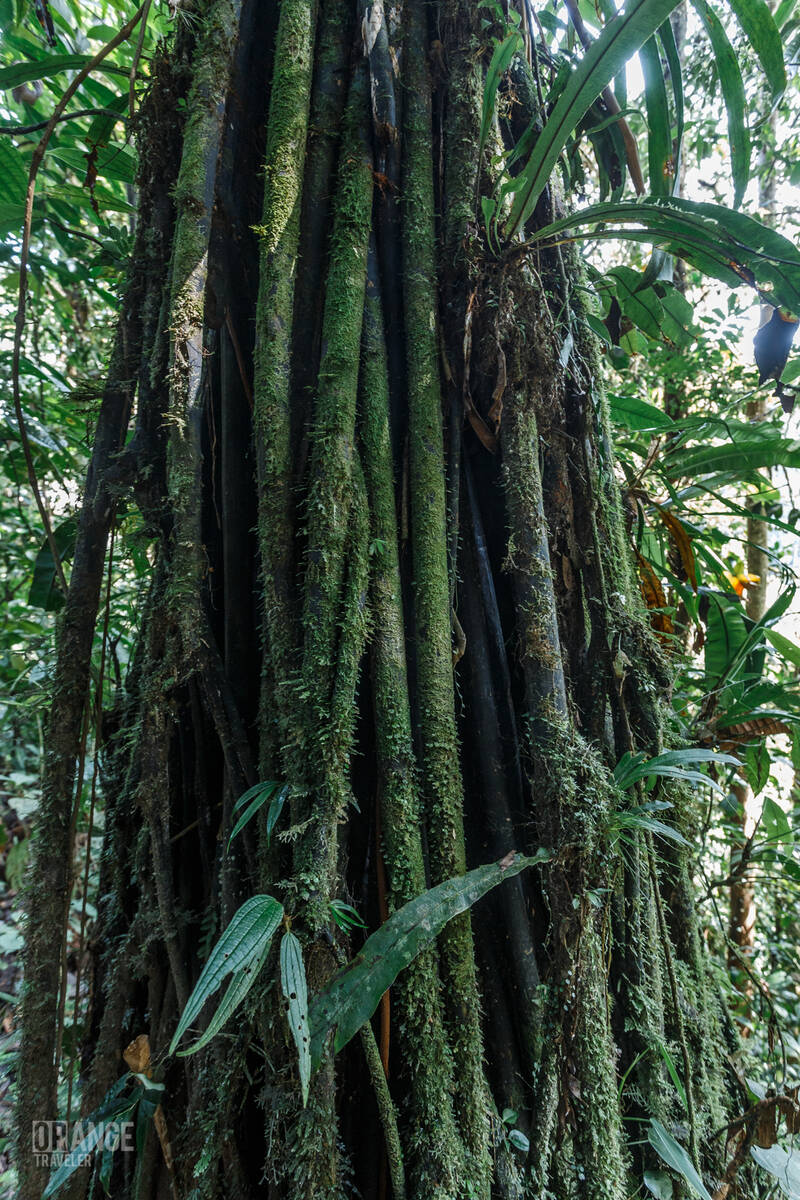
And although the trails in Mashpi Forest have been laid out — according to scientists’ recommendations, no less — at some point you still find yourself in an absolutely impassable thicket, where the lianas look ready to wrap you up and squeeze you in their strong embrace. The moss on the trees is so thick that even the bark has disappeared from view. Mist envelops giant flowers I do not know, in fluorescent colors, blooming orchids, heliconias hanging like garlands and bright-red bromeliads. Everything here is so green, although sunlight barely breaks through the treetops, and white clouds hang above the forest all the time.
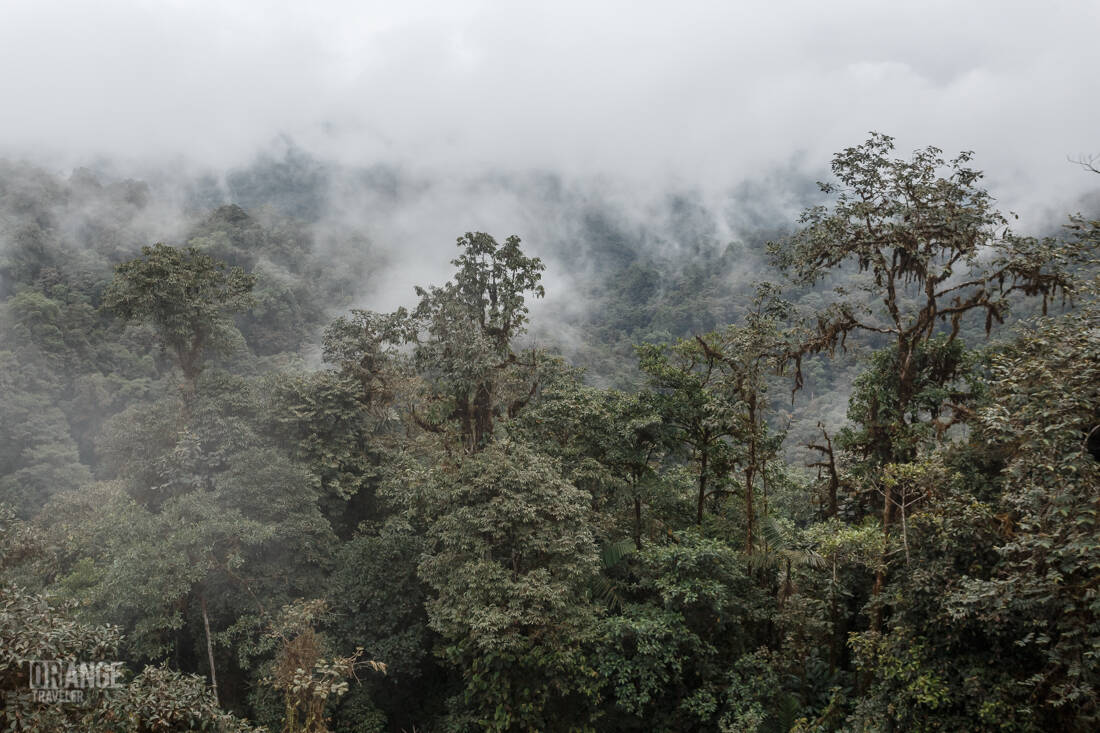
The special microclimate of this place, with its eternal rain and heavy clouds, comes from an unusual combination of factors: warm air masses from the Pacific Ocean mix with cold ones descending from the peaks of the Andes. Besides, it rains here almost constantly. Sometimes it stopped for a couple of hours, but the trees still shed their excess moisture straight onto you. The Chocó region — and Mashpi cloud forest is part of it — is in fact one of the wettest places on the planet, with more than 3,000 mm of precipitation a year, six times more than in big cities.
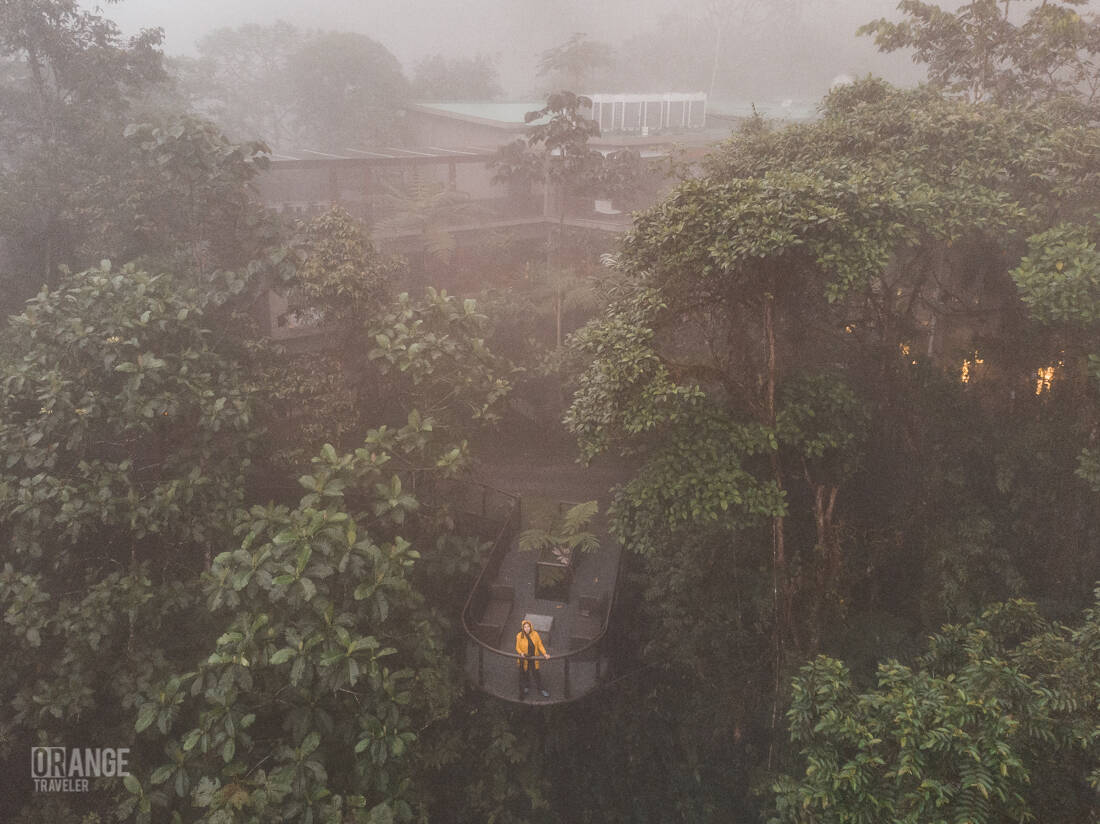
For a human being, it is wet here. A bipedal hominid from Moscow gets hair tangled into mats, drying clothes without dryers is impossible, and the camera lenses fog up forever. A passport left unattended for a couple of hours opens its own pages and lets the stamps from countries where life was much drier start to swim. Yet, in a surprising way, eternal rain is no problem at all for those who live in this forest.
More than 400 species of birds live here, along with over two hundred species of mammals and countless smaller creepy-crawlies — millipedes the size of a saw, spiders, snakes and frogs. Strange how no one’s paws or wings get wet, and no fur smells like wet dog. And whichever little beast or bird you take, it will turn out to be the rarest queen of its species, living only here.
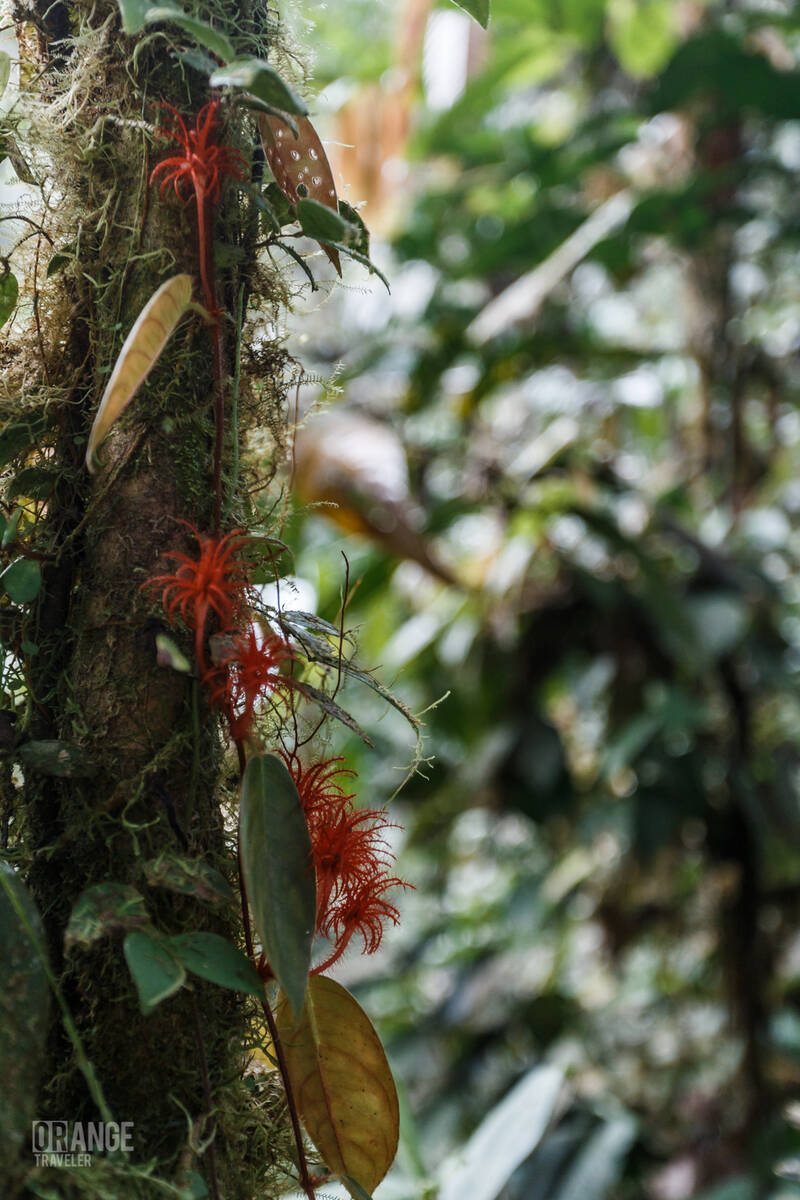
Mashpi Forest is, quite literally, a kingdom of endemics, nature’s own biolaboratory. Although, actually, there are research centers here too, and the first thing I did after arriving at Mashpi Lodge was go there. Scientists from all over the world study many things here, from tiny bugs to new species of tiny frogs, take climate measurements and research the forest. Every year, previously unknown species of every possible kind are found in Mashpi.
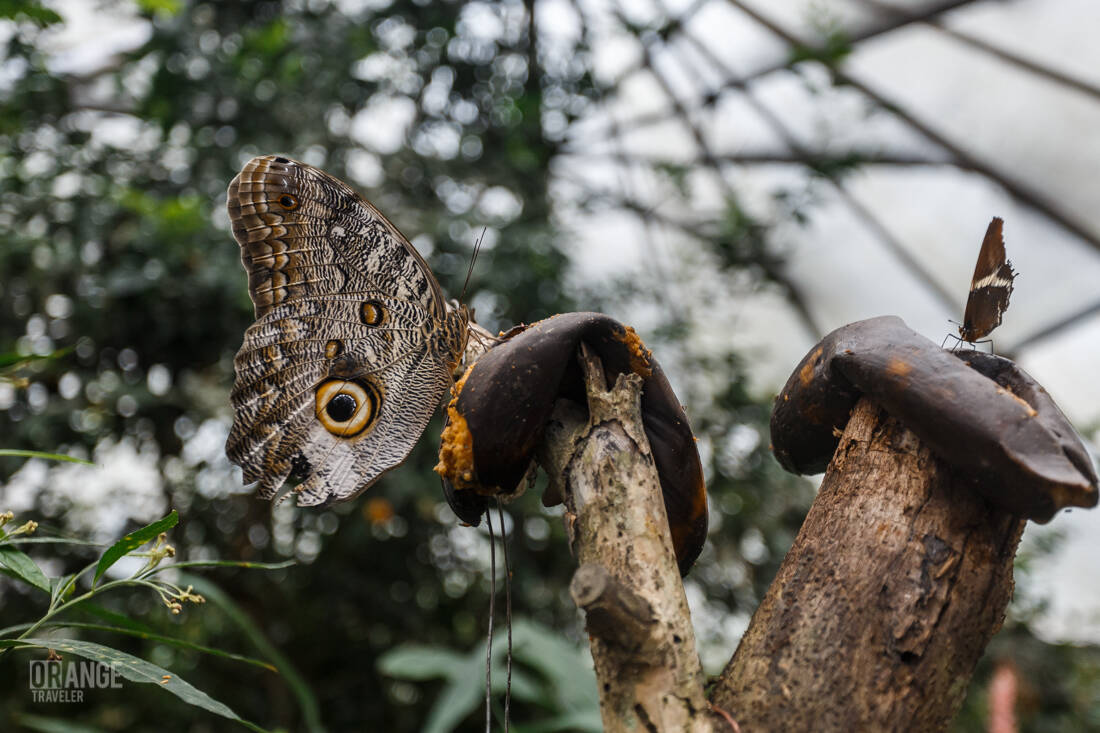
One day some strange magnolia blooms; another day, they find a new species of bellflower with a name that would make an excellent swearword — Burmeistera velutina; then a new tree frog announces its existence to the world by croaking. At the Life Center, entomologists observe 21 species of local butterflies.
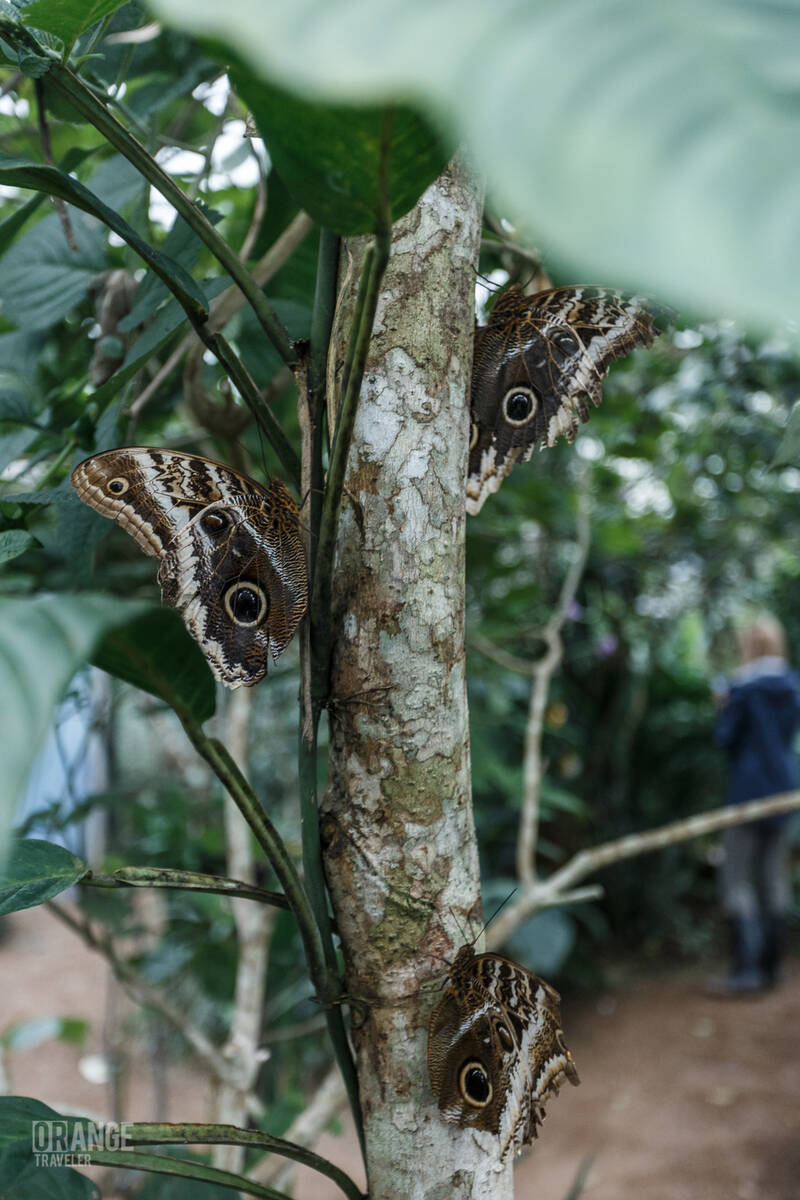
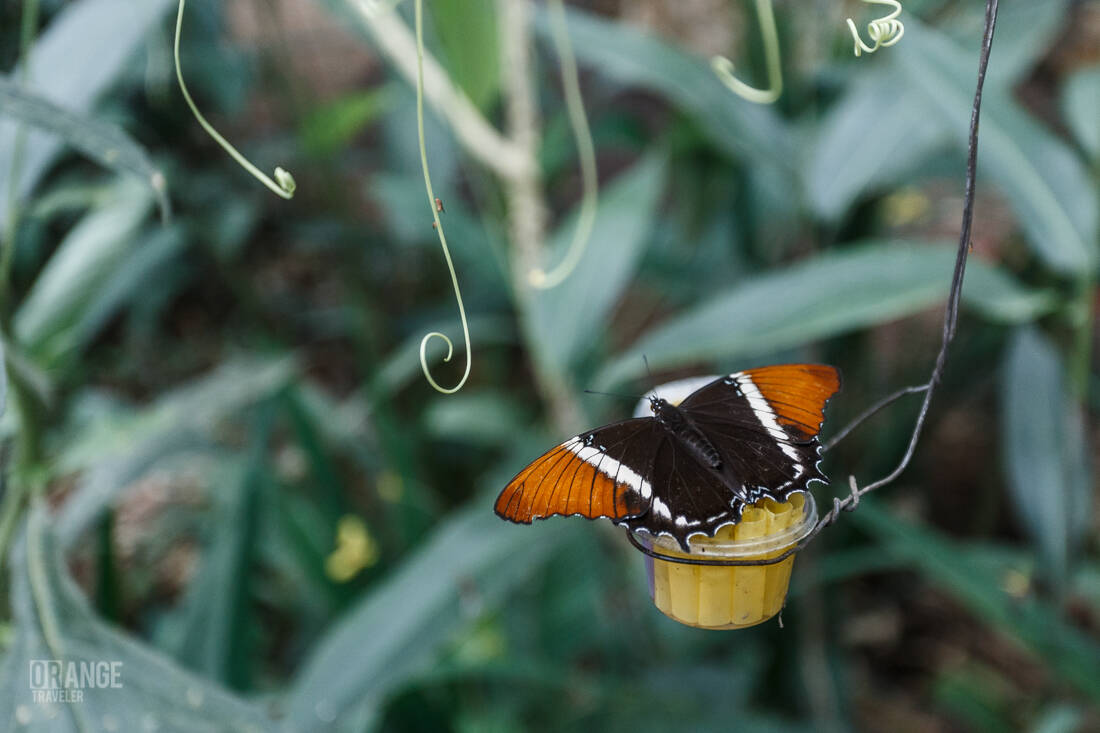
In glass cabinets, those who after death gave themselves over to eternal life for the benefit of science were pinned to cardboard with needles. Living butterflies fluttered around the pavilion, guided by the scents of sweet nectar. Sometimes they mistook my ginger tuber of a head for a flower, landed on it and immediately flew away. Well, yes, the aroma of a damp body can hardly compete with the fragrance of flowers.
Back at the lodge by lunch, I studied the next part of the plan over a glass of wine. A visit to the hummingbird station, a night foray into the forest, an early trek to the waterfalls, a flight on a dragonfly over Mashpi Forest, and another trip into the forest in search of its inhabitants.
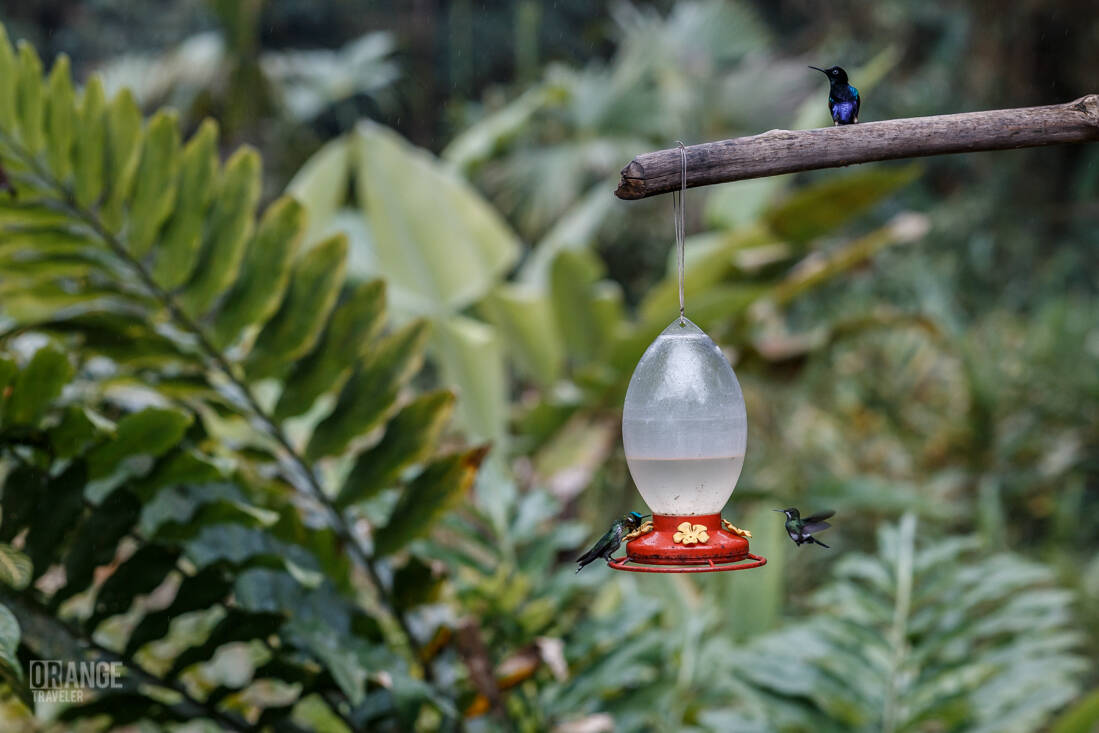
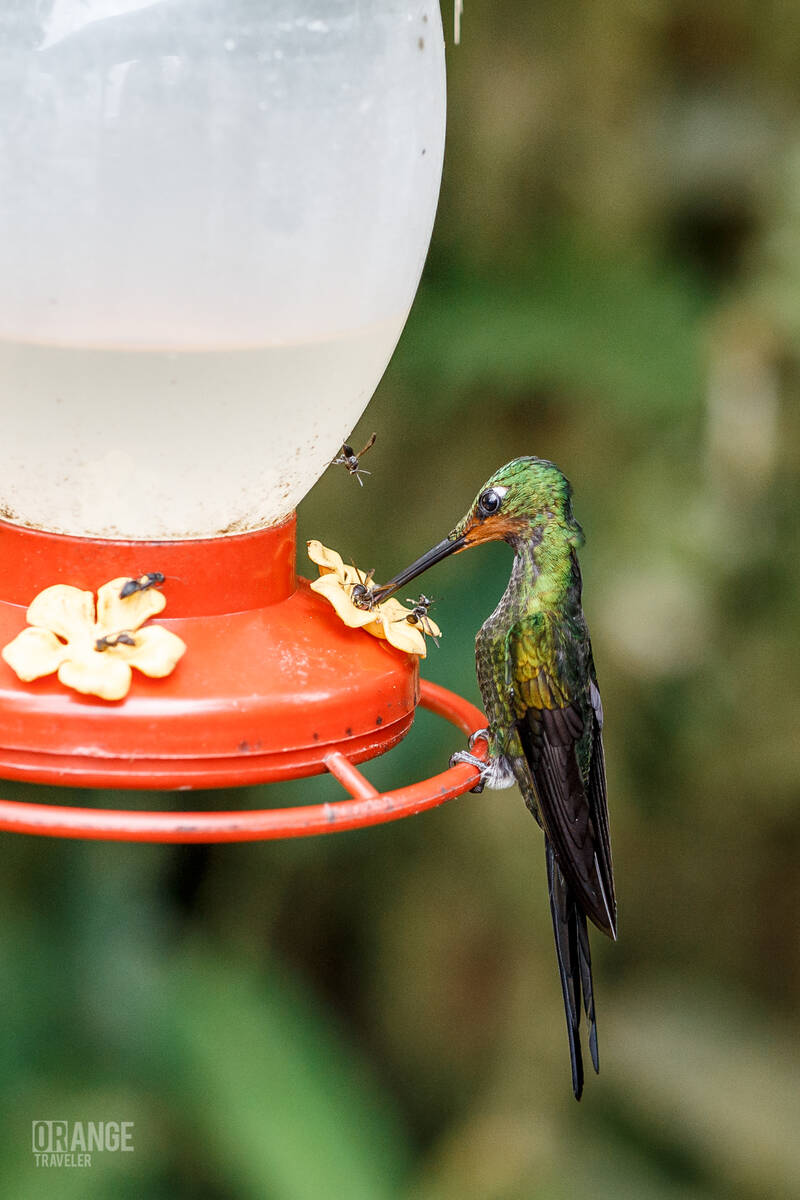
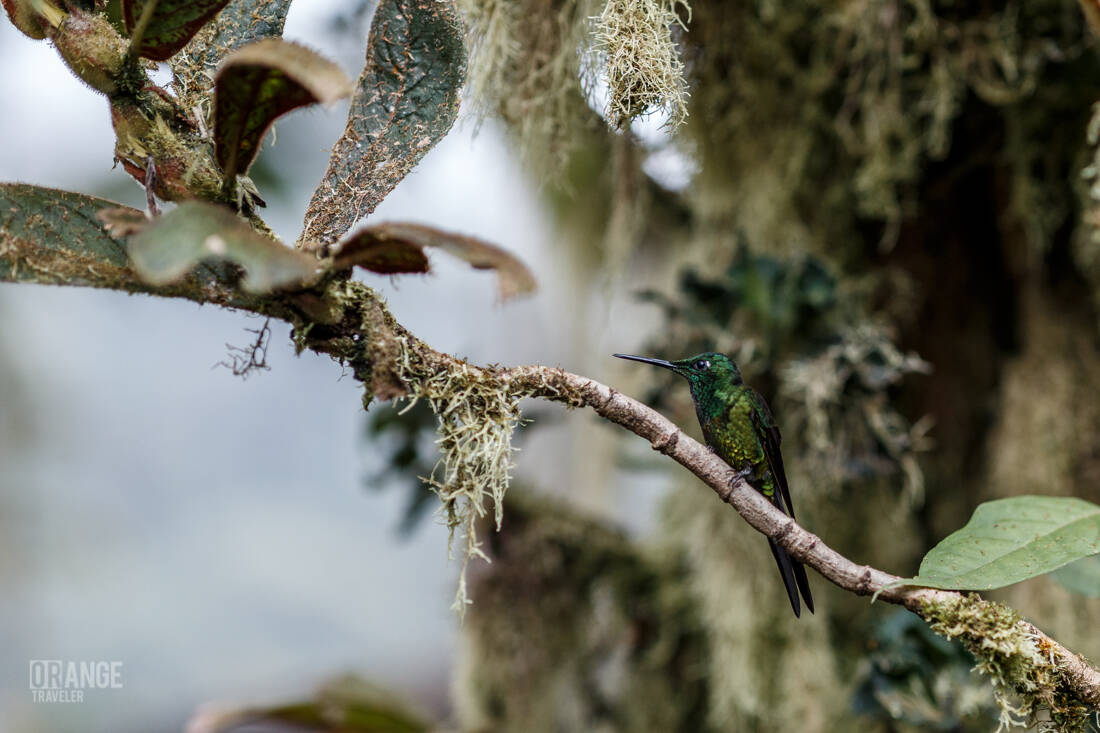
Half an hour later, I was holding a small feeder, rather like a lantern, filled with sugar water. I froze and almost stopped breathing, but the wings in my stomach fluttered with delight just like the wings of the emerald-and-violet hummingbird hovering literally two centimeters away from me. I felt a light breeze gently brushing my face. For the first time in my life, apart from a brief experience in Costa Rica, I had the chance to look at hummingbirds this closely and for this long.
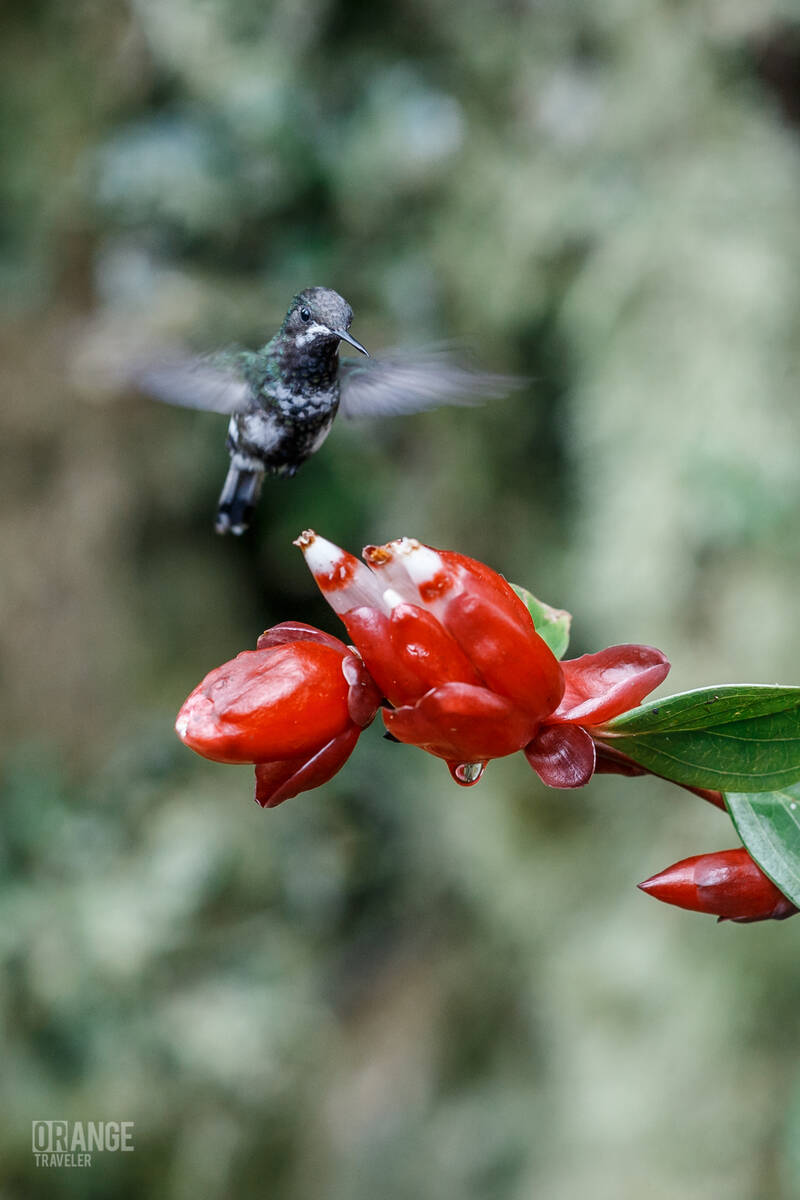
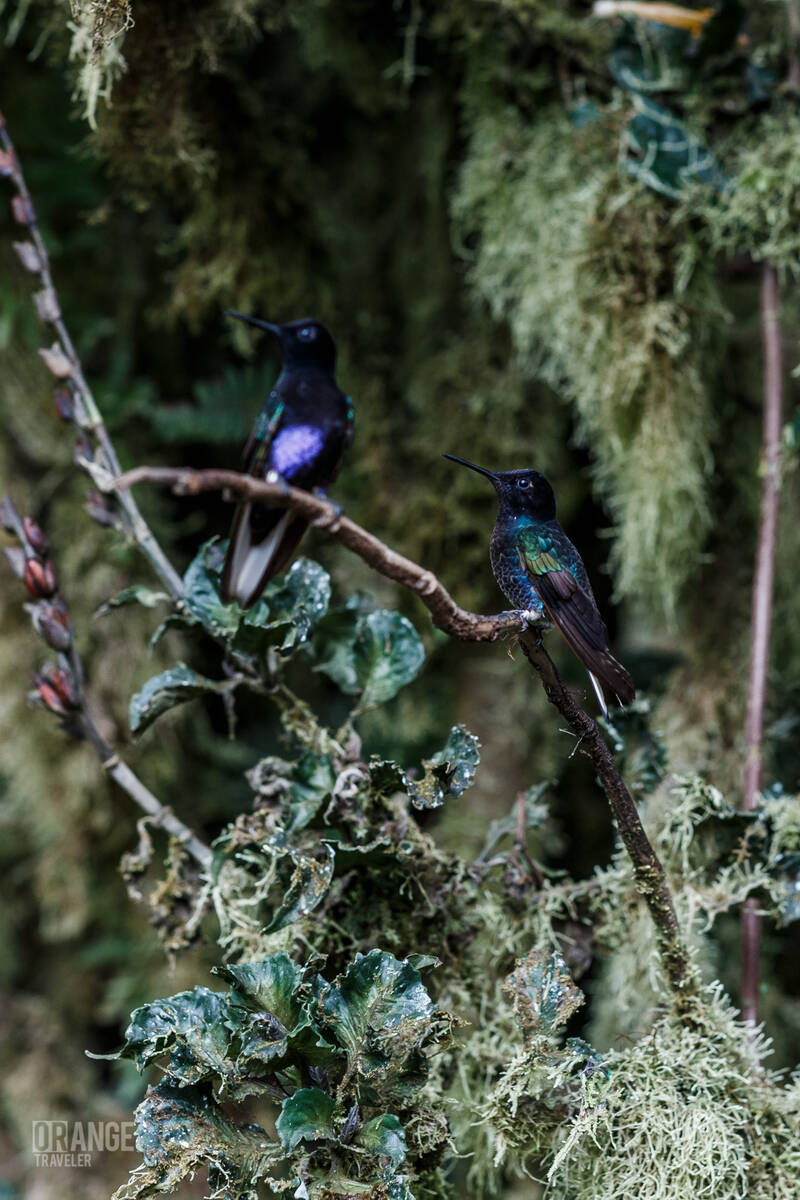
Every day, dozens of little birds from all over the cloudy forest neighborhood flock to the sweet station. Eighteen different species live here, in every color of the rainbow, with long tails and short ones. And this whole feathered commune drinks 10 liters of nectar, which the rangers use to fill the feeders.
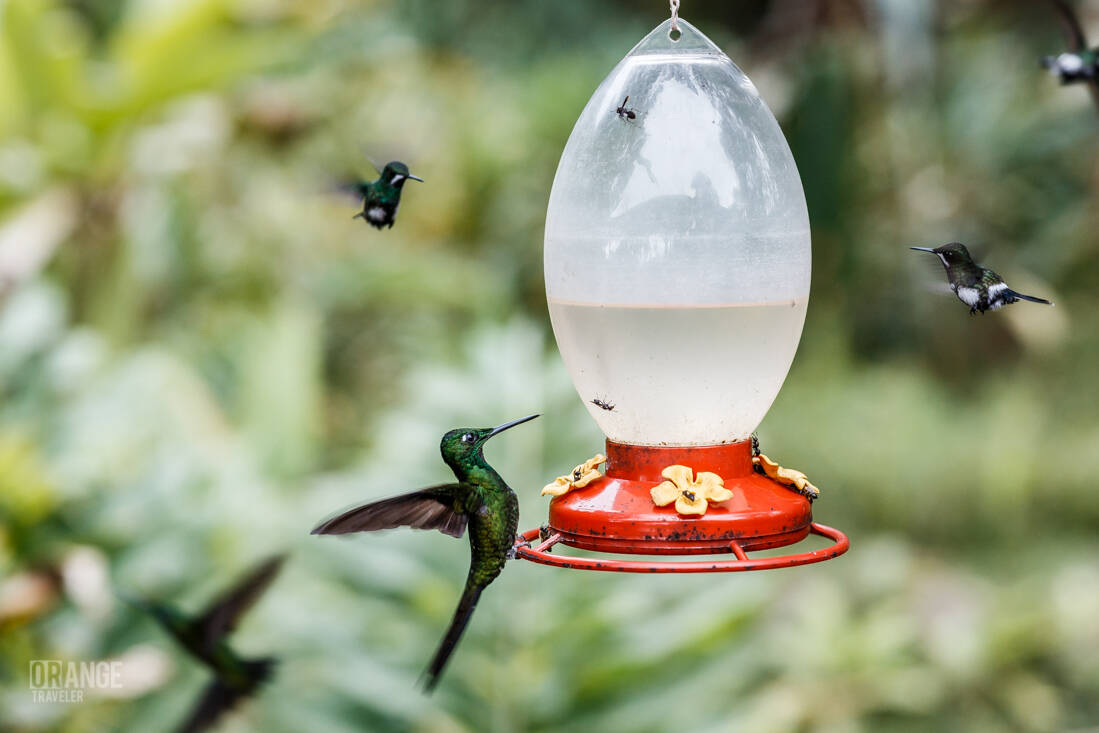
At some point, holding the feeder became less interesting than watching them flutter from a short distance. Besides hummingbirds, the local sparrows — tanagers — also come to the sweet feast. I lost track of time; it turned out I had been sitting there for almost forty minutes before the guide firmly tugged me by the sleeve and pulled me out of this meditation.
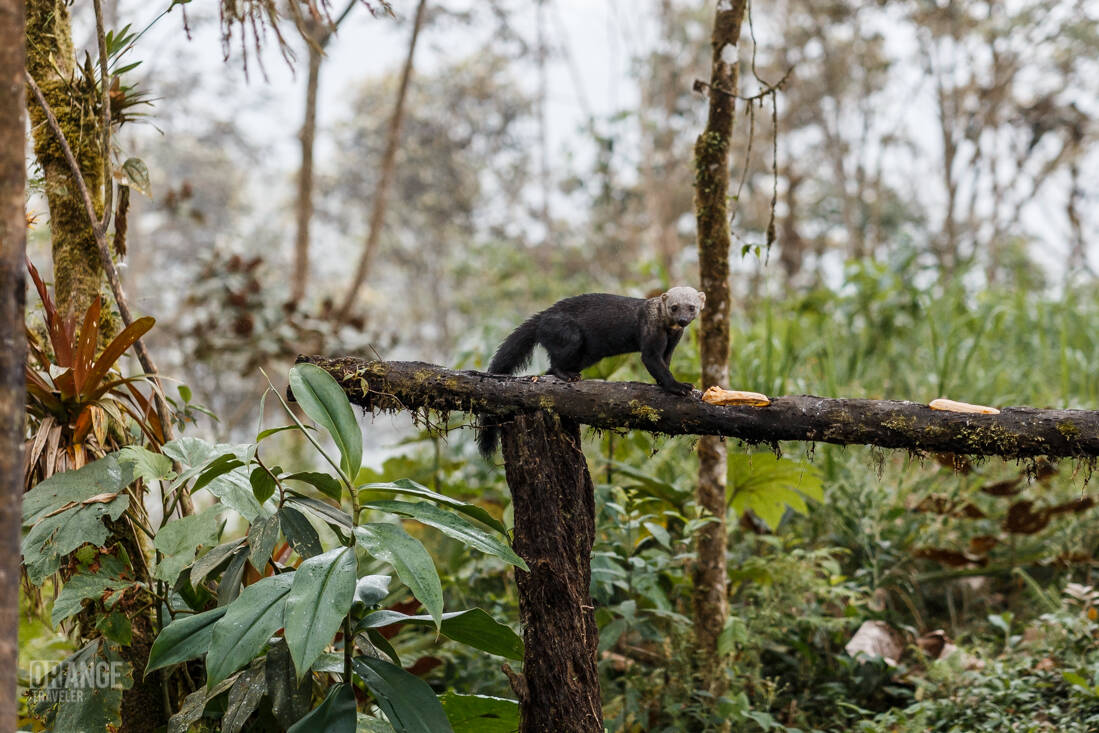
“The tayra has come,” he whispered. Right — we had brought bananas for some mysterious animal. For the whole 10 minutes we drove from the lodge to the station, I tried to understand what sort of beast it was. Hardly anyone fit the association chain. From the description, the animal sounded at once like biltong, a wolverine, a weasel, a cat and a marten.
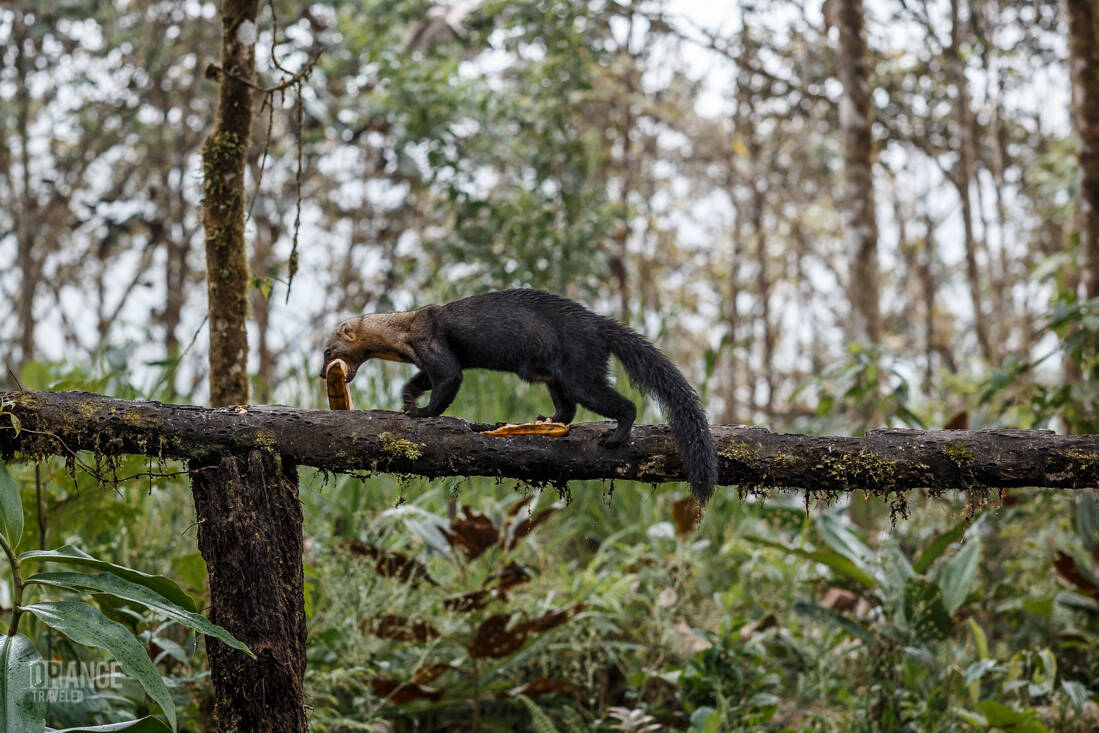
The guide placed the bananas on a tree that had once conveniently fallen and now looked like a small stage. A dark, nimble animal deftly ran out of the forest and up onto the log, like a gymnast about to do a somersault. Turning her little muzzle toward us and making sure we posed no danger, she ate the banana and vanished just as instantly. That day my animal vocabulary, and at the same time my horizons, expanded to include other interesting animals I had never heard of before.
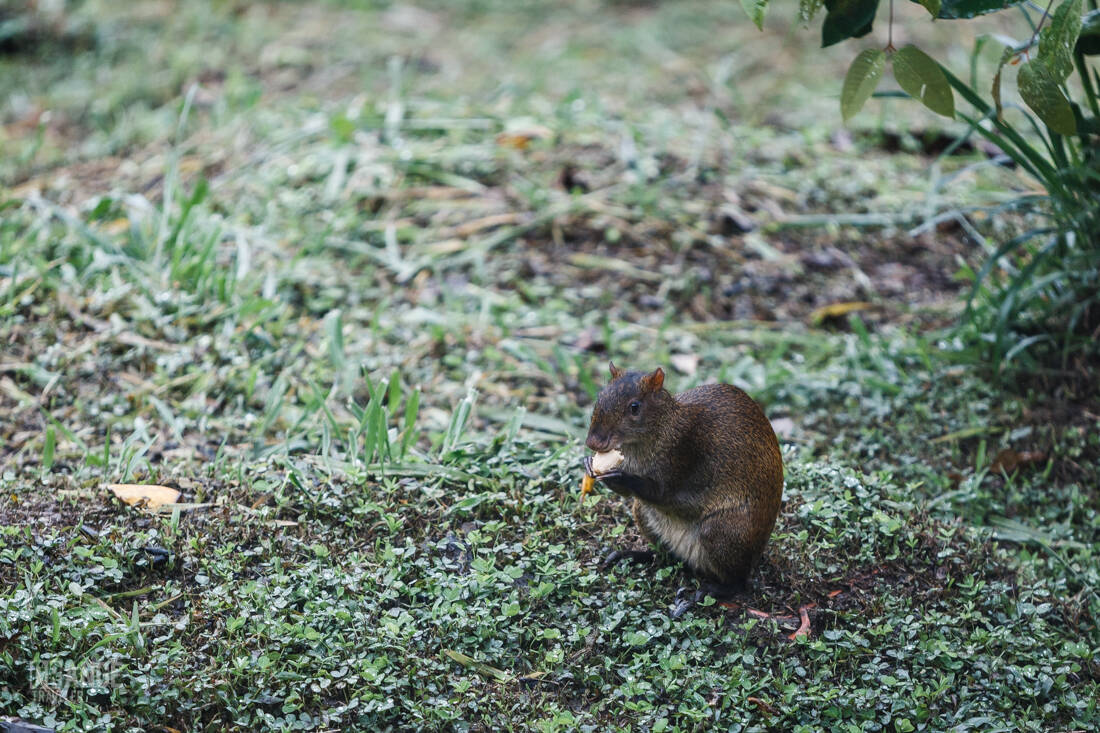
The guide showed me an agouti — a plump little rodent with a sweet face — and a coati, a raccoon-like creature with a long striped tail. Ocelots also roam this thicket, also known as “tigrillos”: spotted cats, armadillos, capuchin monkeys, silky anteaters, and the loudest mammals in the world jump through the treetops — howler monkeys. From the long list of interesting facts about the habits of the latter, I remembered only a couple. Howler monkeys pee from above onto their enemies and, in cases of revenge, throw poop.
In the evening, of course, the downpour began. In the beam of the flashlight cutting through the thicket, Mashpi looked so cinematic that I was ready to swear we would definitely be eaten. My imagination had run so wild that in this rainy squelching it seemed to me the forest was definitely drooling. The daytime inhabitants of the cloud forest had fallen fast asleep in hollows and snags; the insect mafia and the amphibian clans had awakened. The guide and I turned off the road onto the Laguna Torrentir forest trail.
I could barely keep up with shining my headlamp wherever Alonso pointed. Under huge leaves, electric-blue butterflies were hiding from the rain. I never quite understood whether the phrase about them doing this because they might get electrocuted was a joke. A couple of steps later, I noticed a little green snake curled into a ring. I was struck by the beating hearts of tiny, almost transparent frogs. “When this spider gets angry,” said Alonso, poking around in some burrow with a digging stick, “its legs glow purple.”
I wish I had that ability — you get furious and glow luminescently. The spider darted out of its hiding place in displeasure; I jumped back in horror. But the arthropod did not start playing with the colors of its hairy legs and, clearly grumbling, disappeared somewhere into the wet thickets. Moving from frogs to leeches, we reached the waterfall. I must admit, standing under a waterfall in a heavy downpour, in pitch darkness, was a rather singular experience.
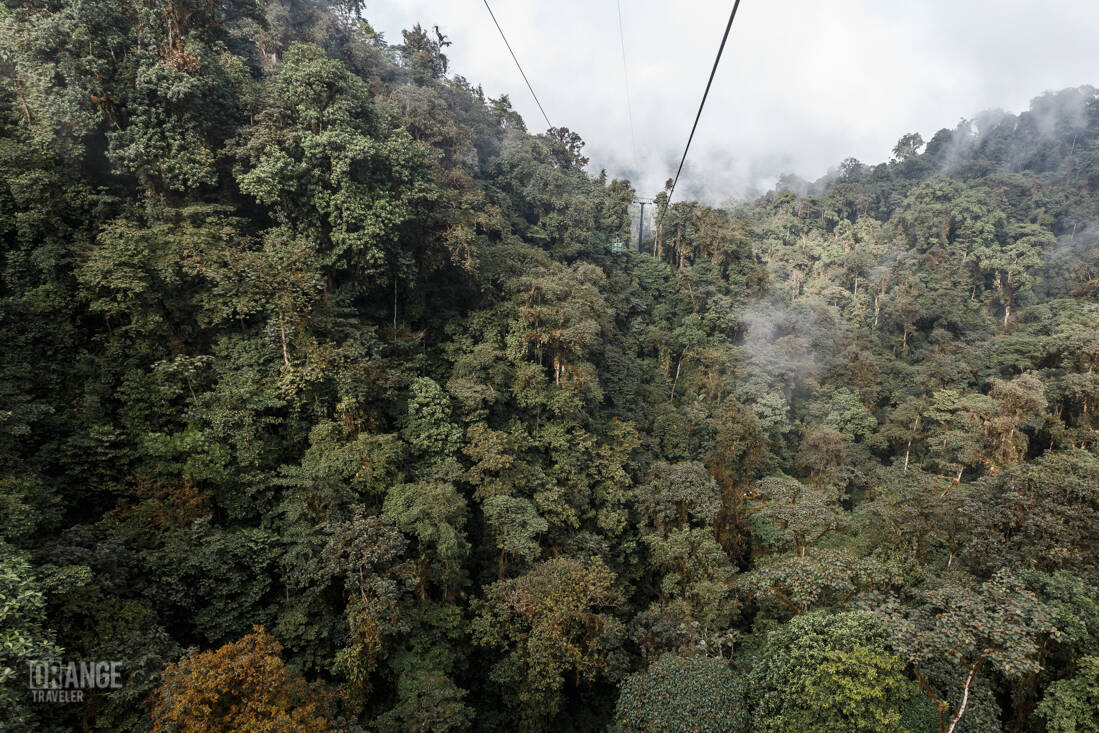
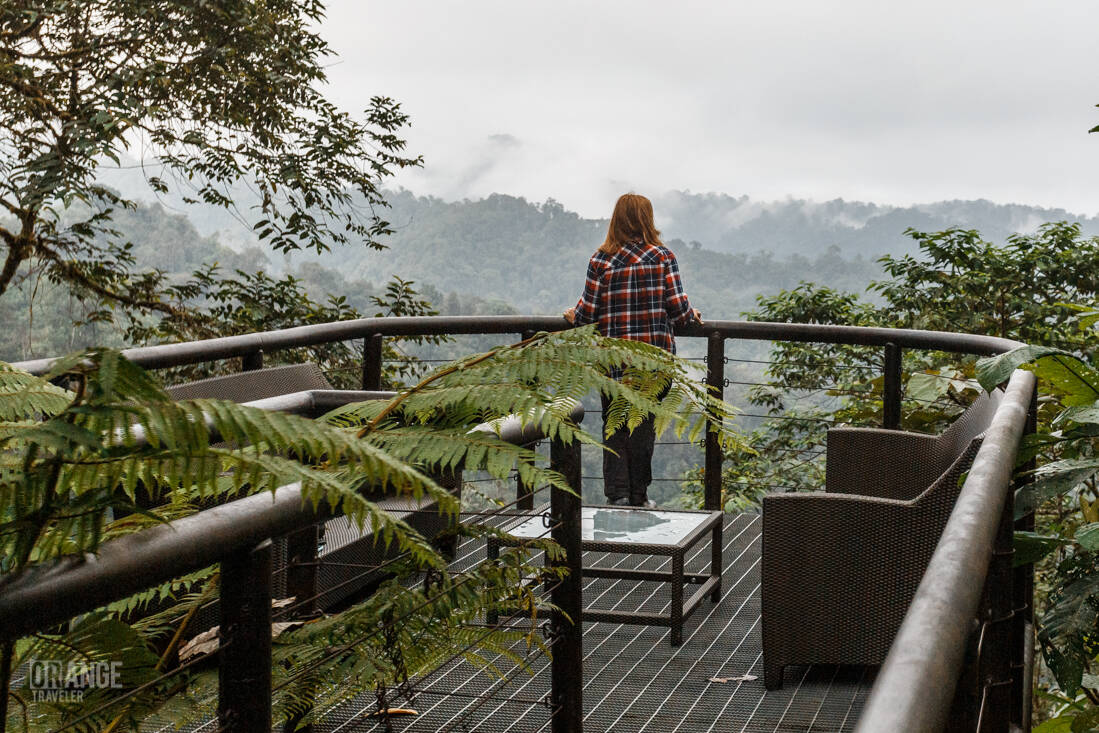
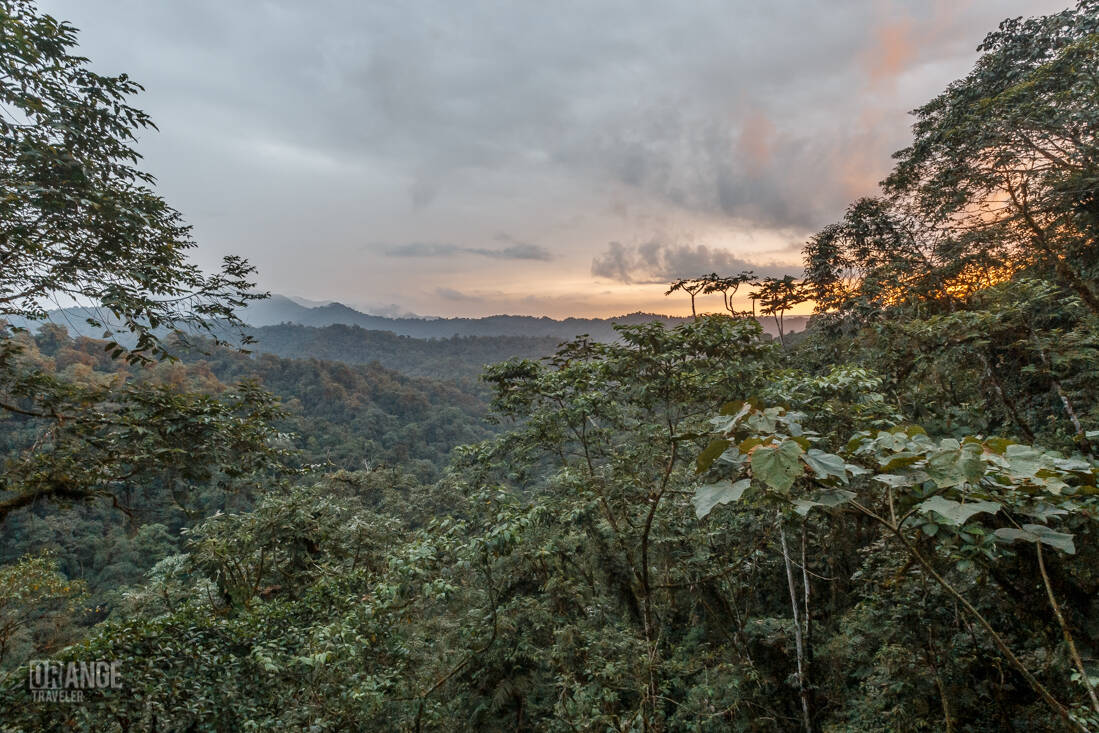
The next morning, I soared above the forest. I sat in a small green cabin of the Dragonfly Canopy cable car, which slowly carried me above the Mashpi massif at a height of 200 meters. In the green sea below me, almost nothing could be made out. Somewhere down there, streams and waterfalls murmured, and tayras and ocelots wandered.
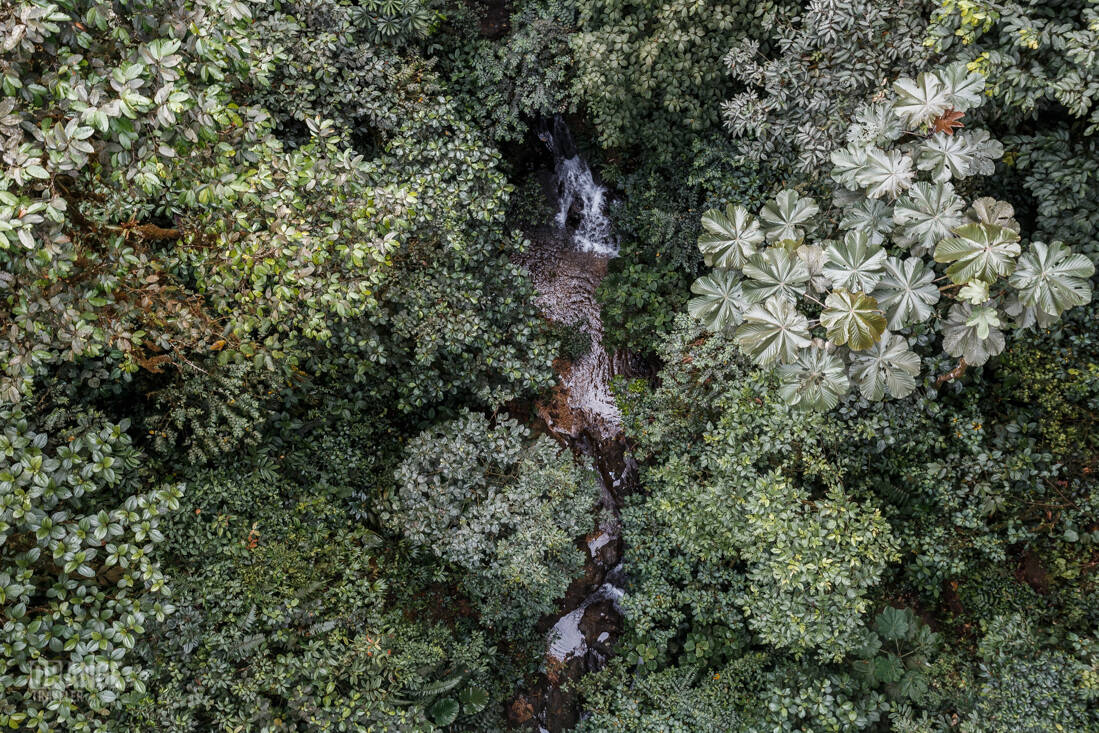
Of all this flora, I could recognize only one thing: copal trees. They stood higher than all the others, reaching about 30 meters and justifying their title as the tallest trees in Mashpi Forest. When the cabin flew past, you could even catch a faint aroma, a little like the smell of incense. Alonso told me that the Aztecs once used its resin to treat pain.
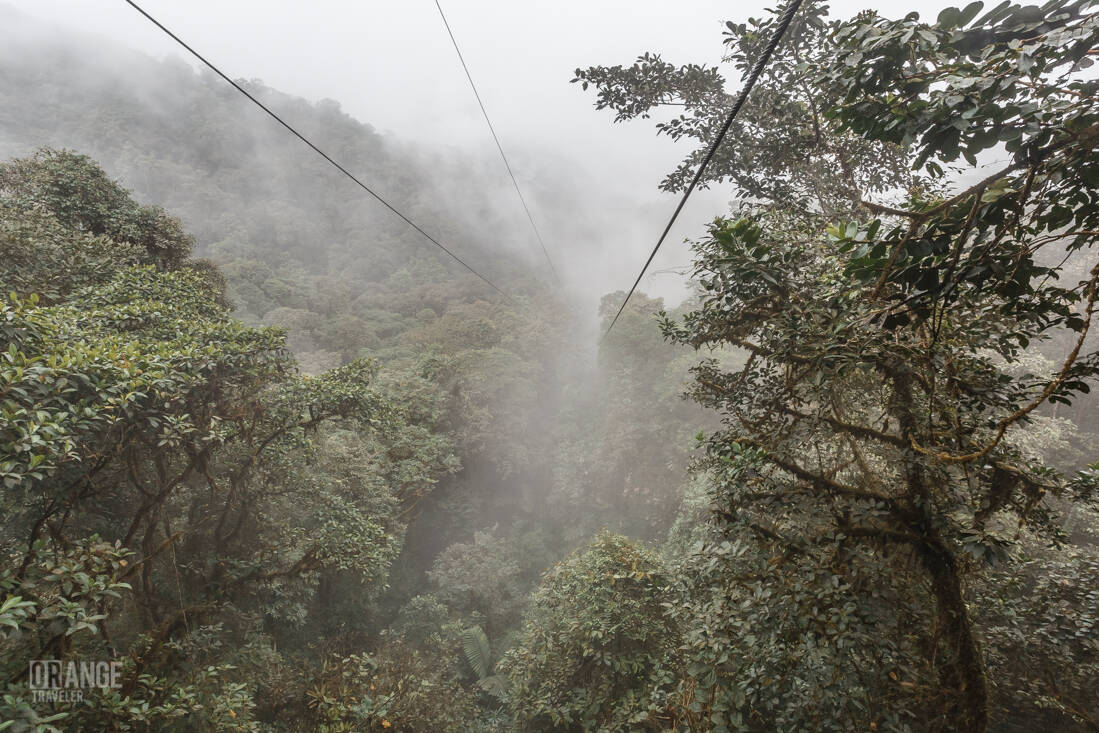
A cloud hung straight ahead, and the cable car cabin softly flew into the snow-white featherbed. It seemed to me that the sounds of the forest grew quieter, the colors disappeared, and I stretched out my hands, trying to pinch off a scrap of cloud like cotton candy at an amusement park. The world turned green again just as suddenly when we passed through the cloud; the streams gurgled again and the birds began to sing.
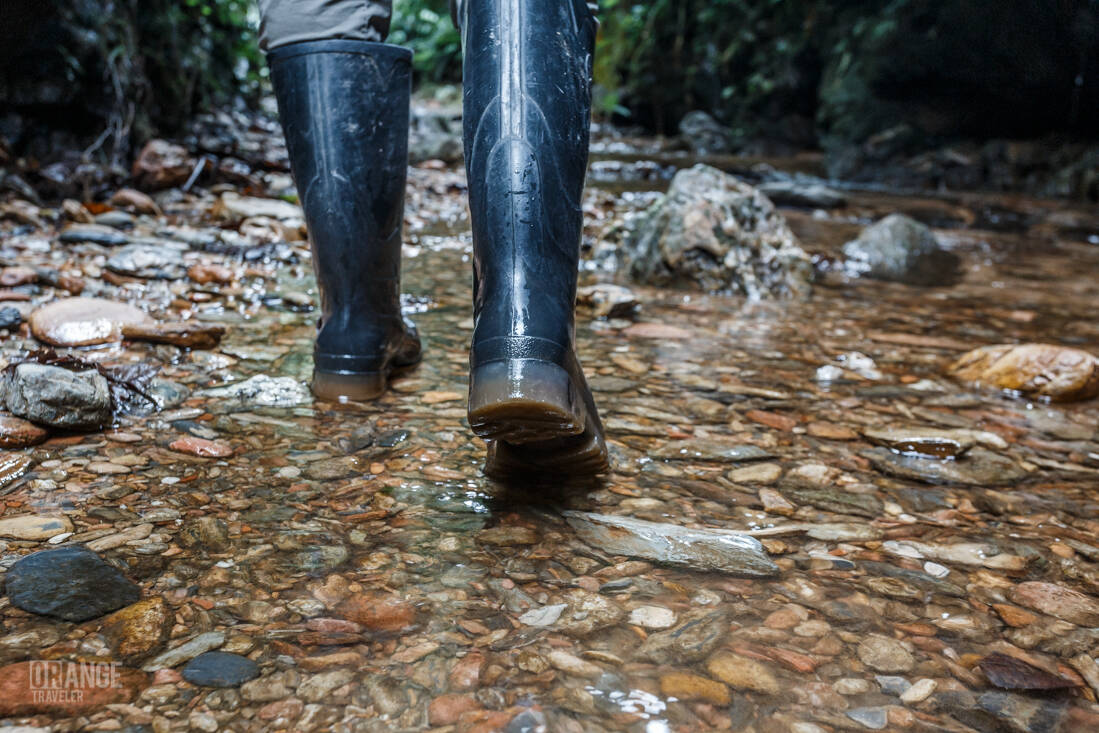
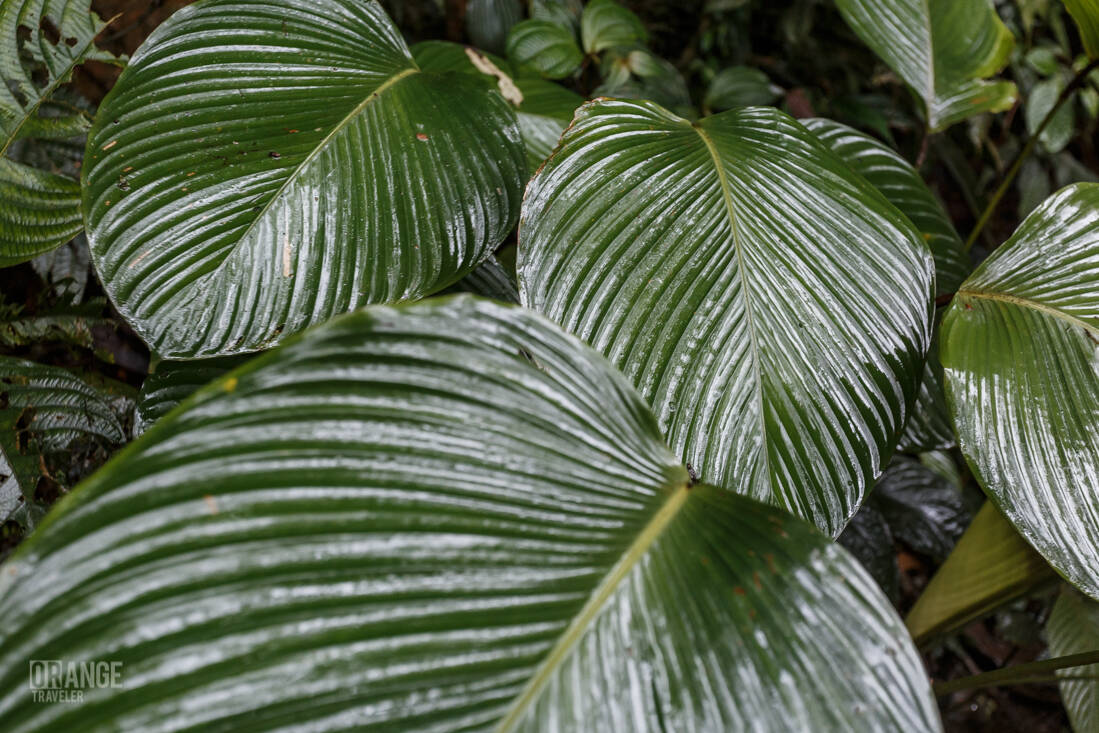
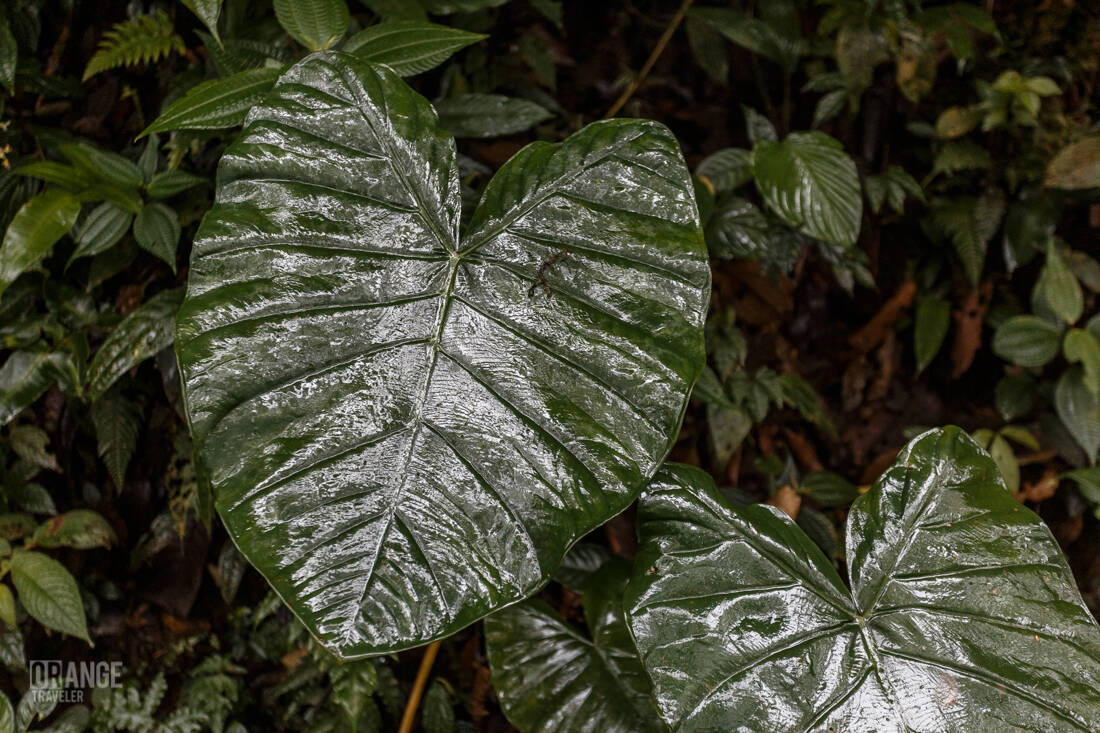
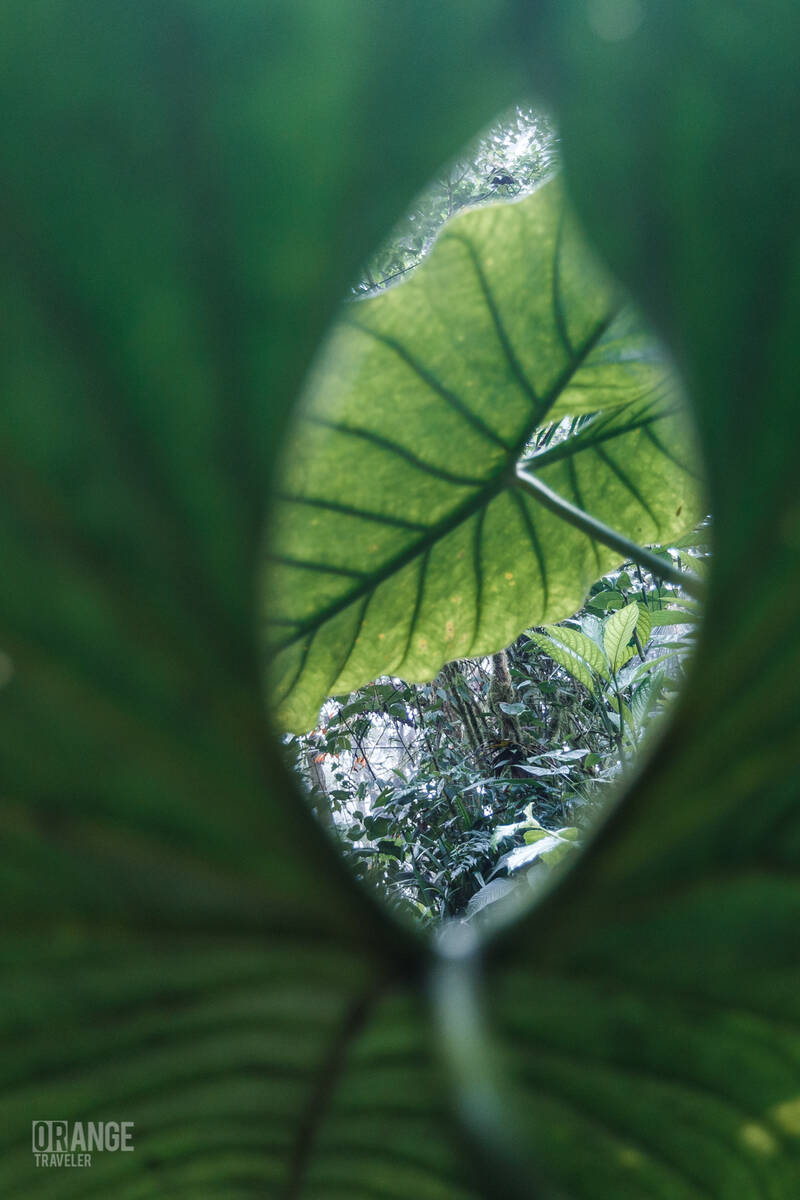
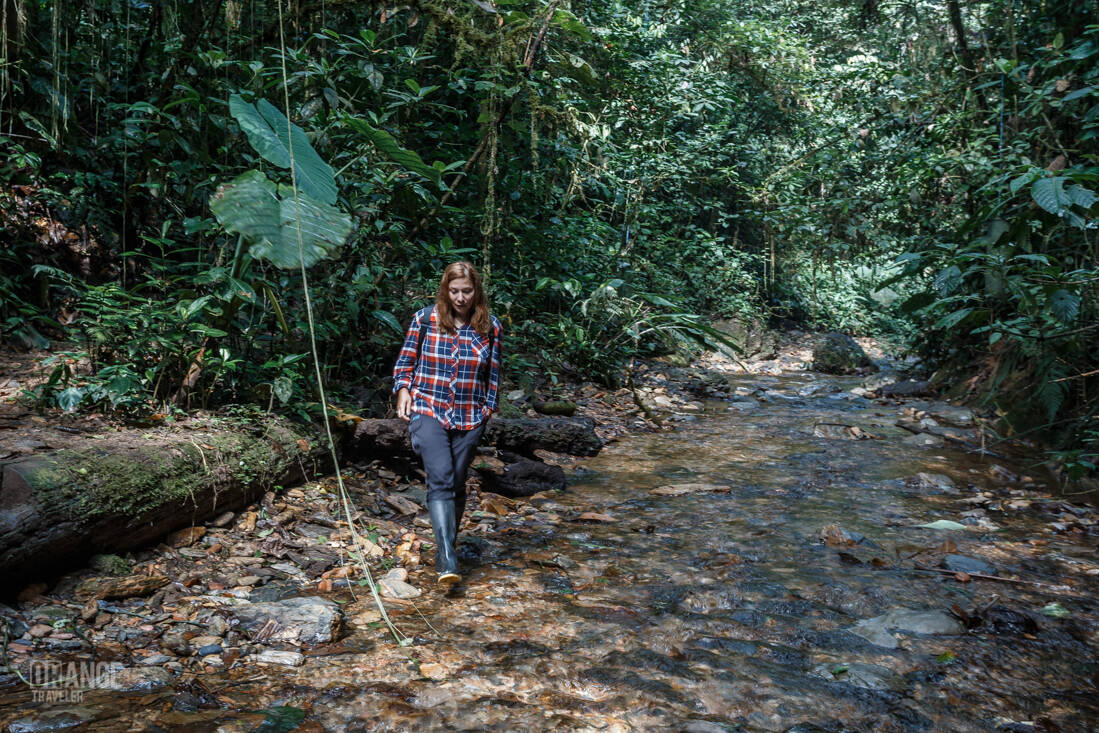
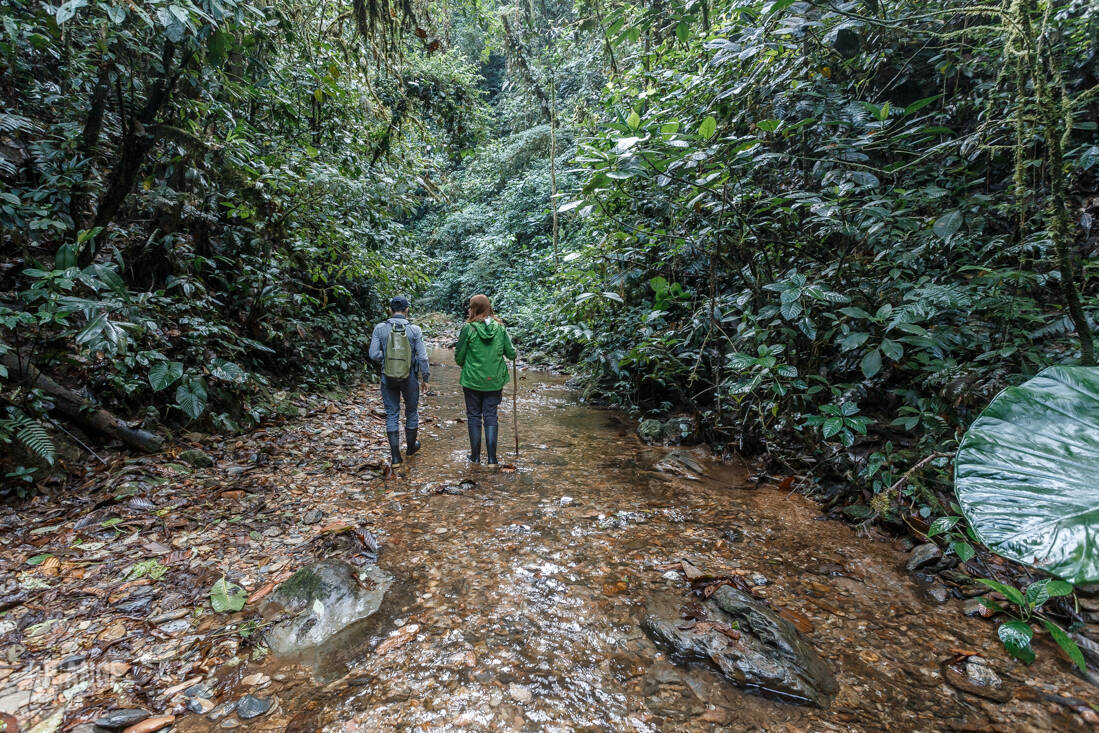
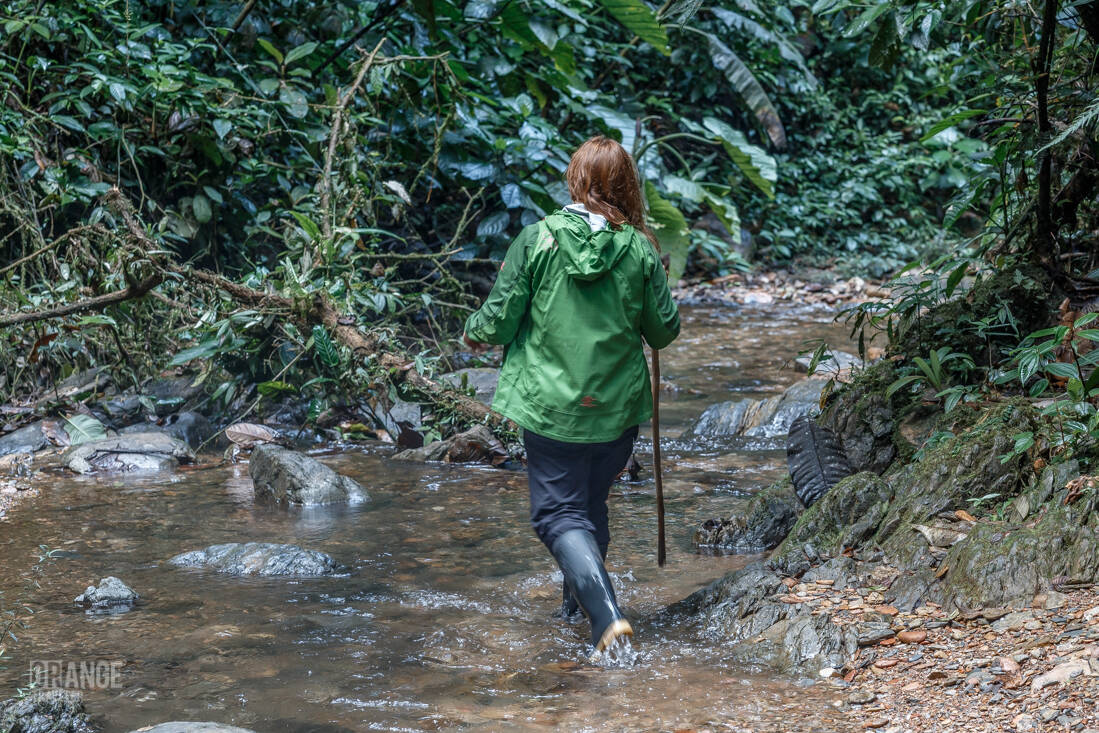
When we reached the final station, we descended. In some places we had to clamber over small boulders; in others, hold on to lianas so as not to slide down the slippery trail. What a wondrous world this is, after all. We splashed through shallow streams in rubber boots, stepping over the trunks of fallen trees. Standing up to your ears in mud is a forgotten joy, childhood therapy. Alonso entertained me with forest music. He would stop, play a bird trill from an app on his phone, and someone in the canopy would immediately answer with chirping. I admired ferns of unreal size. And finally, from thousands of specimens, I chose the one that became my absolute favorite. I stood full-height beneath a huge alocasia leaf — an “elephant ear” — which can protect you from drops falling from above better than some umbrellas, and just in case, from the revenge of howler monkeys too.
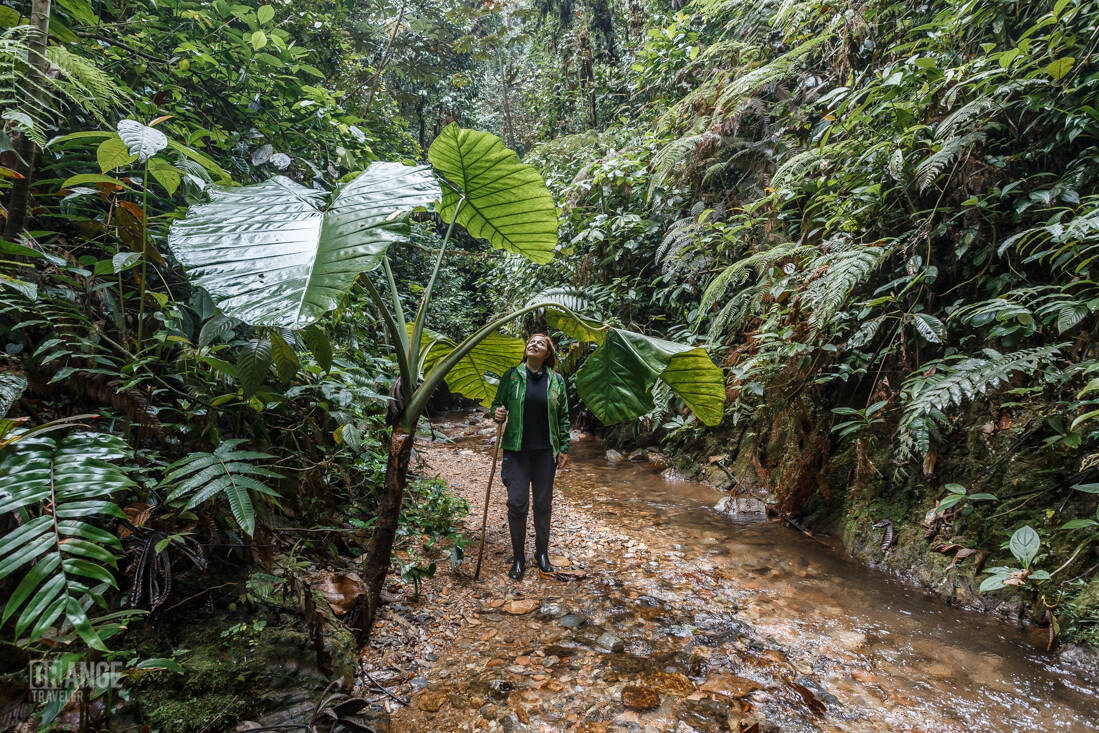
We had to descend to the waterfall as a “bad Tarzan,” on a rope, not very aesthetically plopping into a shallow pool. Hanging our waterproof bags on the bushes, we took off our raincoats and rubber boots and jumped from a huge boulder into the cool water. We lay under the streams and looked up at the crowns of this strange forest from below.
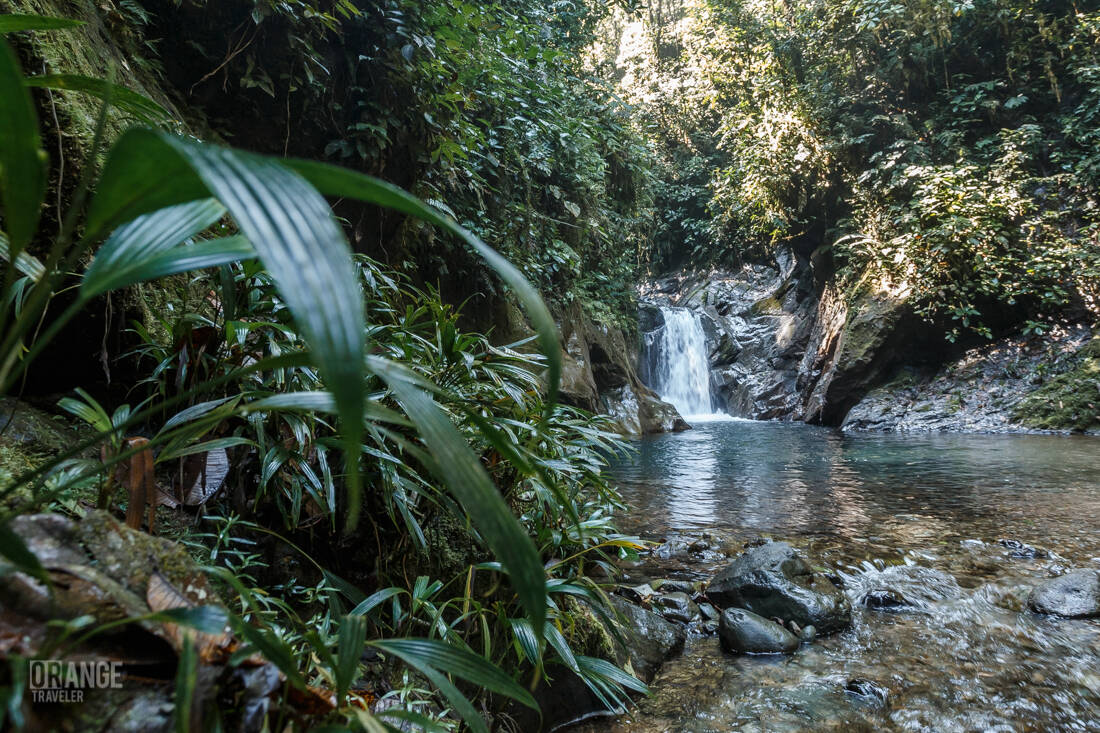
The Japanese call something like this forest bathing. Literally translated, it sounds a bit silly — forest baths — but in practice it means therapy for stress. You lie under the murmuring water, your head thrown back, feeling on your face the drops that have made their way through the treetops, and you are damn happy. You have become an inhabitant of this cloud forest yourself. Its daughter. On equal terms with a tayra or a hummingbird. And you do not even feel like throwing poop.
I thank Metropolitan Touring for the collaboration and for organizing a wonderful program in Ecuador.


Mashpi Cloud Forest is in northwestern Ecuador, on the western slopes of the Andes, within the Chocó Andino de Pichincha Biosphere Reserve. Mashpi Lodge sits inside the private Mashpi Reserve, about three hours by road from Quito.
Mashpi is green and wet all year. The less rainy season usually runs from early June to early November, while the rainiest months fall between November and late May. February is often the peak of the rainy season.
Two nights are the minimum if you want to see more than the lodge and one trail. Three nights are better for birdwatching, the Dragonfly cable car, waterfalls, night walks and the hummingbird garden without rushing.
Mashpi is one of the best places in Ecuador for birds, especially hummingbirds and toucans. Tayras, agoutis, coatis, frogs, butterflies and many nocturnal creatures also live in the reserve. Ocelots and other mammals are present too, but seeing them requires luck.
Yes, waterproof hiking shoes are useful, but rubber boots are often the real heroes here. Trails can be muddy and slippery even when it is not raining, and in Mashpi “dry” is a very relative concept.
Yes. Around 400 bird species have been recorded in Mashpi Reserve, and the best birdwatching usually happens early in the morning. The hummingbird garden is one of the easiest places to see birds at close range.
Mashpi Reserve is a private protected area connected to Mashpi Lodge, so visits are usually organized through the lodge and its guided activities. For independent travelers, it is better to check access rules and availability directly with Mashpi Lodge before planning the trip.


 Travel reportage
Leave a comment