
Two pairs of mittens, two hats, two warm jackets, two pairs of pants, two pairs of shoes, fur boots and a pair of boots made of new high-tech materials. Everything that was in the suitcase was supposed to warm me up. I was preparing for severe frost and winds, for spending the night in a tent right in the middle of a frozen lake, for long walks on the ice of Lake Baikal. Everything that was neatly folded into my suitcase had to be very functional. All I needed was to stay warm. I looked at my suitcase one last time and tried to imagine what I might miss on the cold winter evenings. I put a package of my favorite chocolates, a flask (well, it was used for different liquids), a flashlight (it was useful for a strobe effect during a night party on the lake), a facial mask (oh, yes) and started on my biggest winter adventure.

Our group travelled pretty fast from Irkutsk to Listvyanka. Everyone quickly got to know each other: we declared English as the official language of our international group. But every morning we swore at the “damn frost” in French, Portuguese, Thai and so on. In Listvyanka, we started with an “introduction to Baikal” including an informative excursion to the local museum, a stop in the geographically important area where the ice-free Angara River flows out of Baikal; and an ethnographic excursion in Taltsy village.

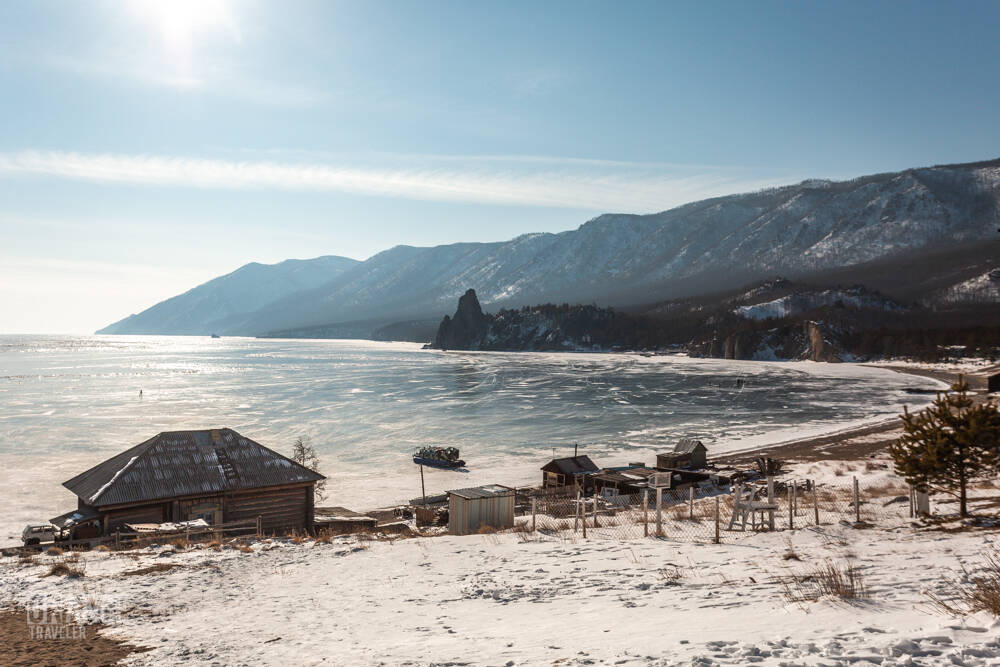
Listvyanka is the starting point for everyone who comes to Baikal in winter. There are traffic jams on the road and hustle and bustle in the town. It has a perfect tourist infrastructure: shops, restaurants and cafes, travel agencies, and the Baikal Museum SB RAS, which is usually called the Museum of Baikal. For the most curious there are even live bears in the street. Just within the first day you can see all the symbols of Lake Baikal: seals, ice, the omul (a whitefish species of the salmon family), and the lake.


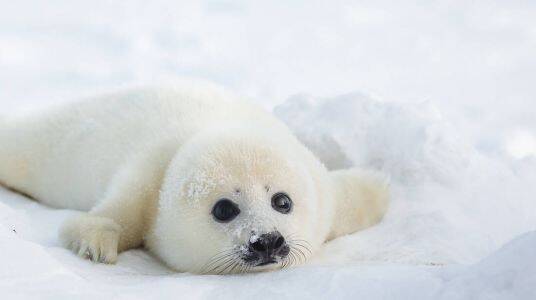
This is a good informational start, geographically Listvyanka is located directly at the Angara River's headwaters. In addition, there is a museum where you can see all that makes Lake Baikal famous. The museum is pretty small: there are just three rooms. There are information stands, specimens of preserved Baikal fish, a small pool with seals, and an aquarium with local fish. In the largest pool there are Baikal seals — the only exclusively freshwater pinniped species. Imagine how terribly tight this pool is for them after the vastness of Lake Baikal. Of course, this is one of the few opportunities to see the local endemic. Seals in the wild are cautious, and they spend the winter under the ice. In summer, they go to the rookery on the Ushkan Islands, where there are only a few chances to see them from afar. Well, let's wish patience and health to the museum captives… For an additional fee, you can “sink to the bottom of Lake Baikal” in a submarine. The attraction does not meet the expectations of such an excursion in the 21st century and it seems kind of primitive. But the museum staff is very proud of it.

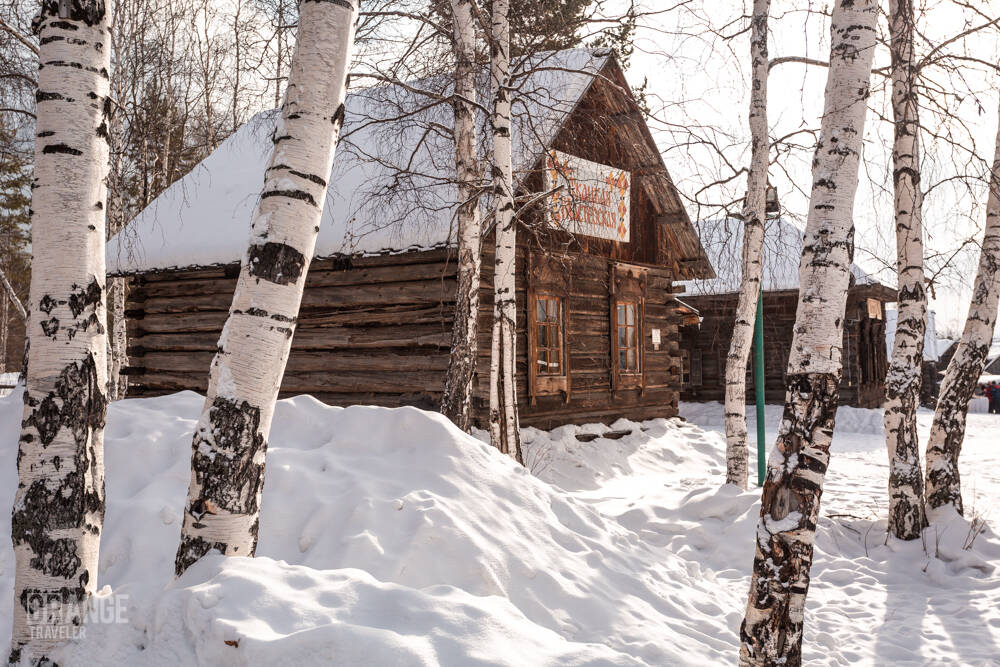
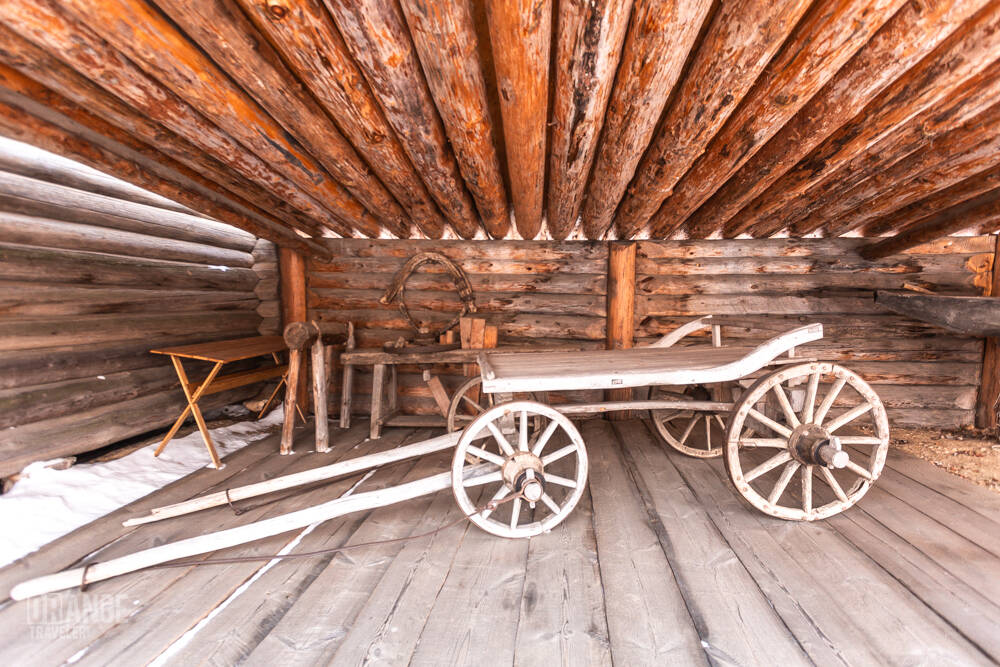
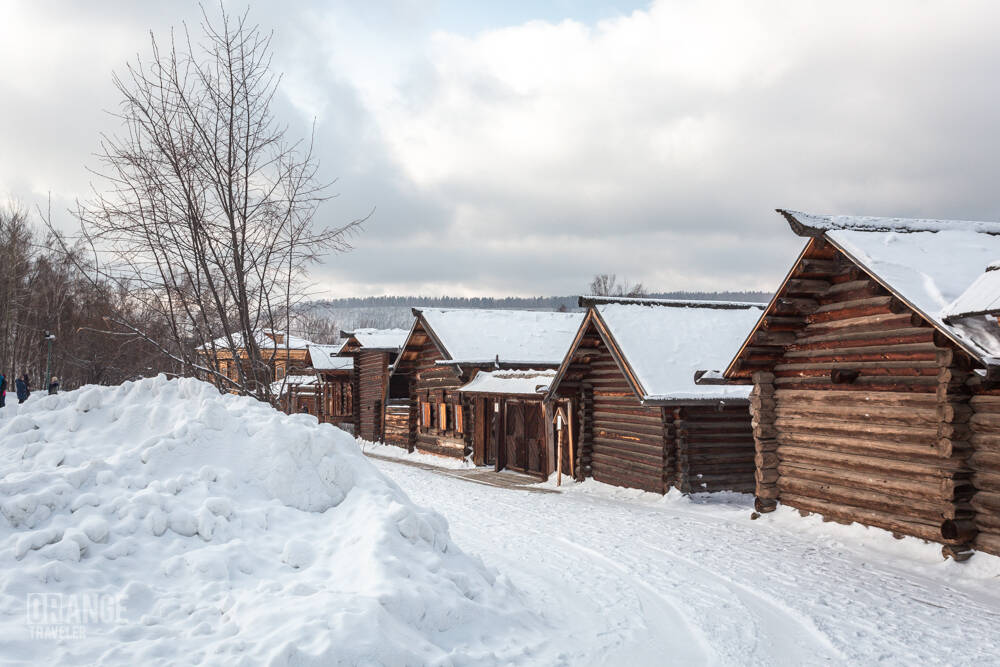
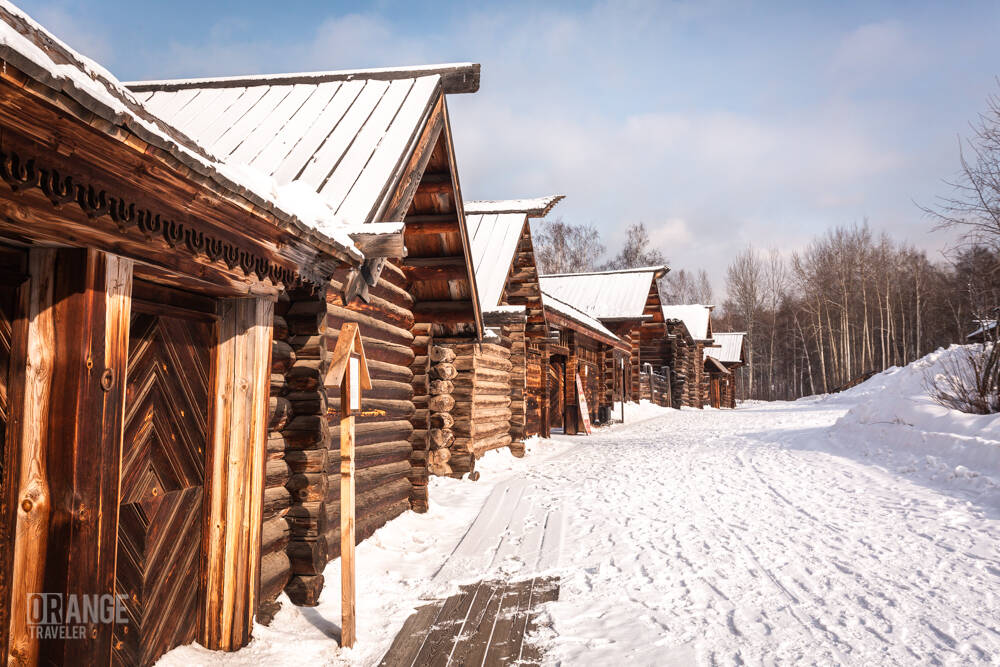
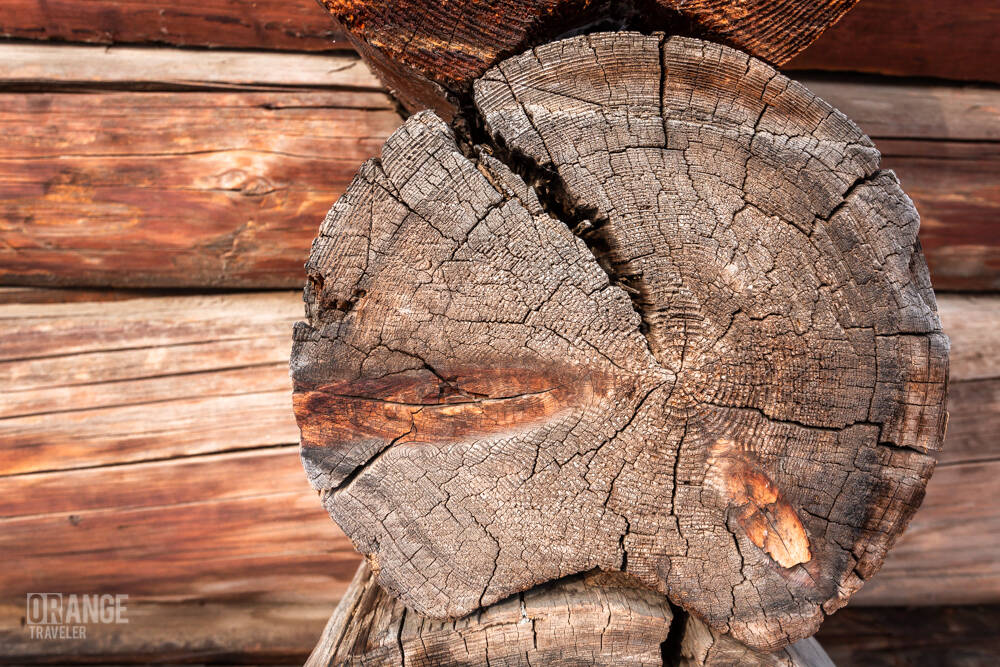
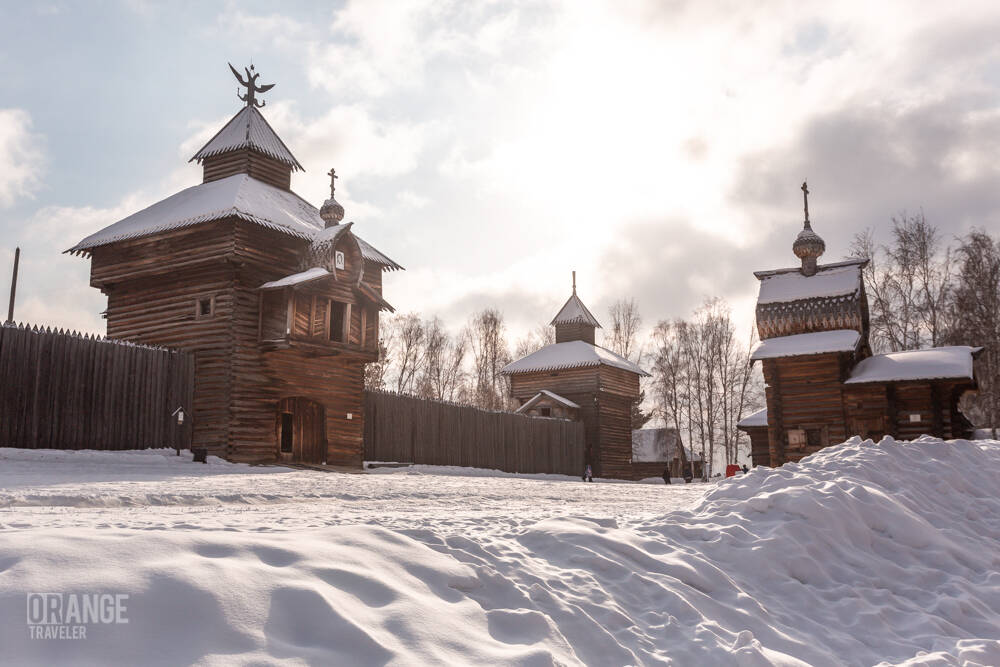
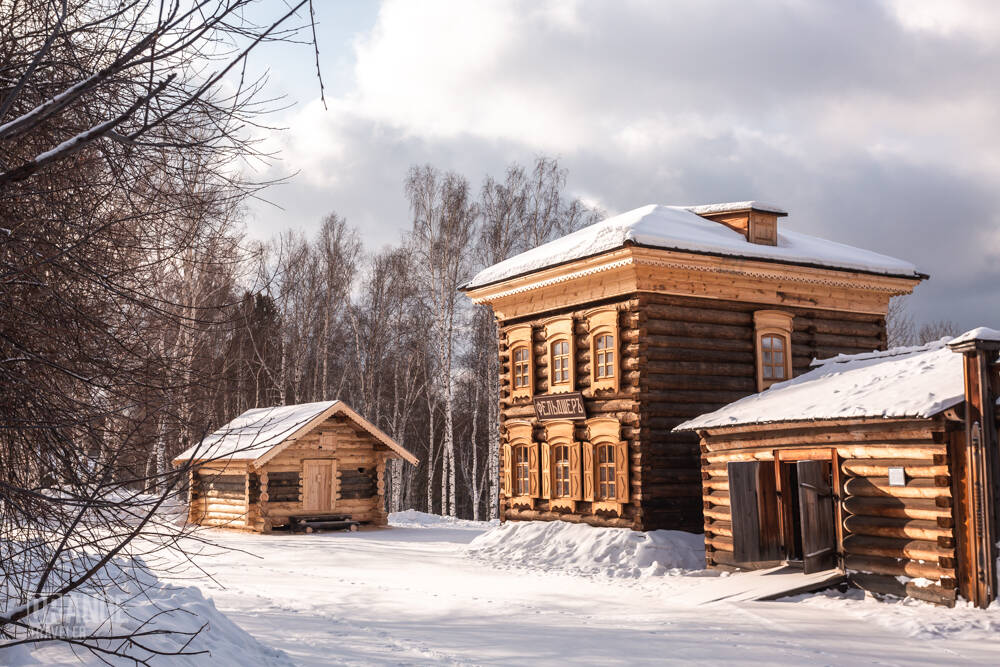
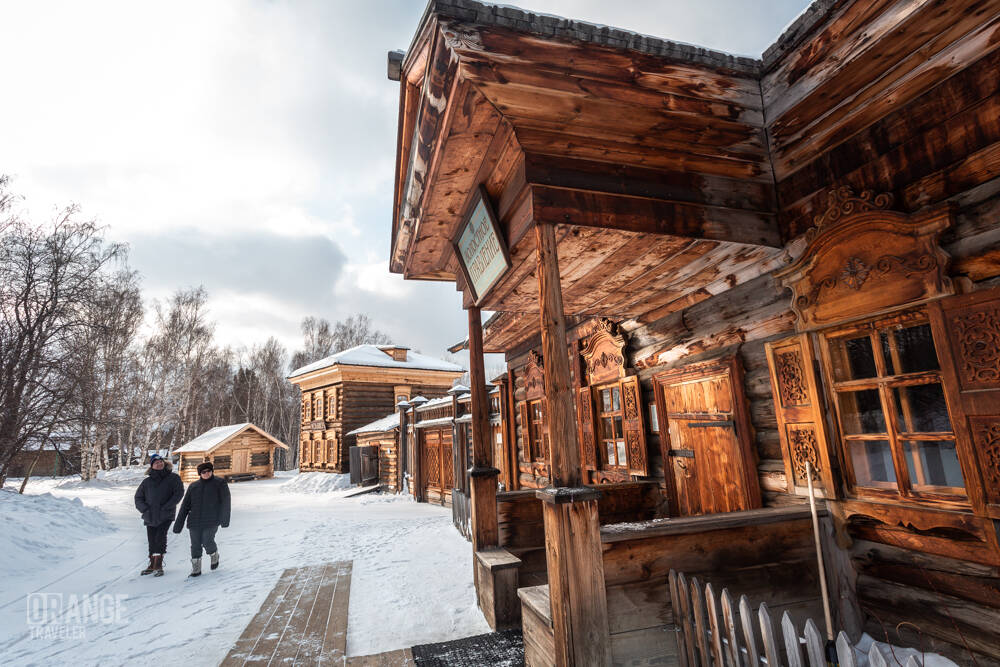
In the ethnographic Taltsy Village, fortunately, there are no captives. The village was assembled much like a giant construction toy set. Typical old Russian houses and utensils of the 17th–20th centuries were brought from all over the region and assembled right there. There are a couple of streets, a church and even an old fort with a decorative fresco with a depiction of the Lord (who looks very similar to Bob Marley, for some reason).

In Taltsy, foreigners will find everything they imagined about Russia: a street of houses decorated with stove tiles, sleighs pulled by horses, men in sheepskin coats, a large matryoshka statue, strange old Russian games, pancakes and a samovar. But, in general, this installation turned out well. You can go into the houses, listen to stories about the past, and you can slide down a hill in a sled and go to the lake.


All the sellers of souvenirs and pancakes in the village know only a dozen English phrases. They can explain how much something costs and that they don’t have small change. And it seems that they can count banknotes only in increments of 5,000 rubles. That is enough to successfully sell cute seal figures, old Soviet coins, magnets with a map of the thin ribbon-shaped Lake Baikal. So, be careful!


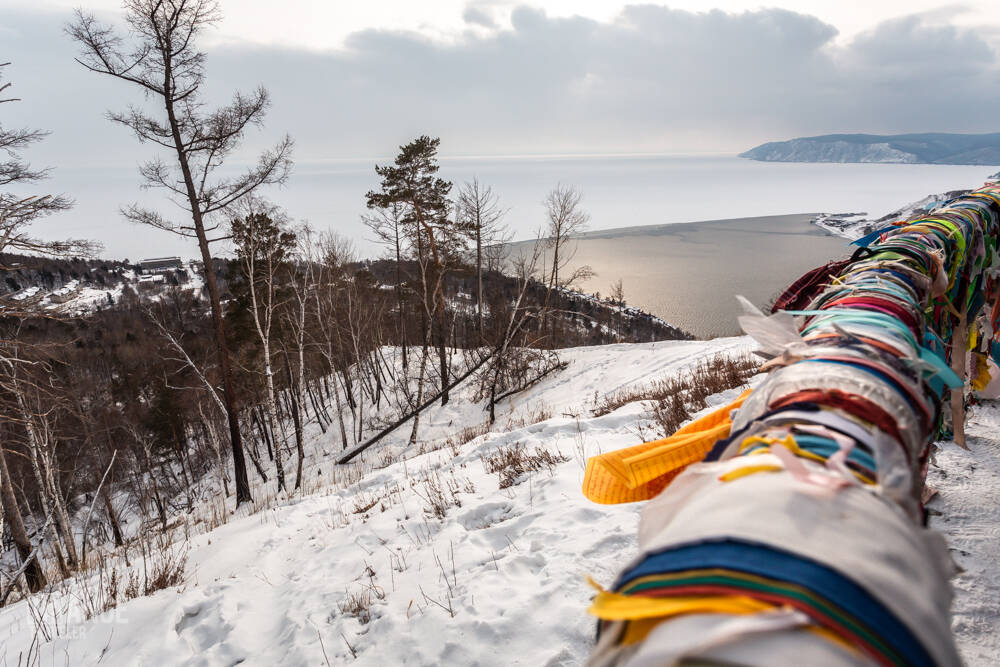
In the evening, the time difference made me exhausted, and I had to force myself to go to the observation deck, the Chersky Stone, which is located at an altitude of 728 metres above the lake. After sunset, I was already coming down with jet lag, and thinking about whether to go to the ice festival, which was arranged somewhere in the forest, or just pass out in bed. The second option won. But everybody has completely different expectations from Baikal, and after just one night of rest, everyone rushes further along the lake. Where there are open spaces, cold and ice. We were no exception.


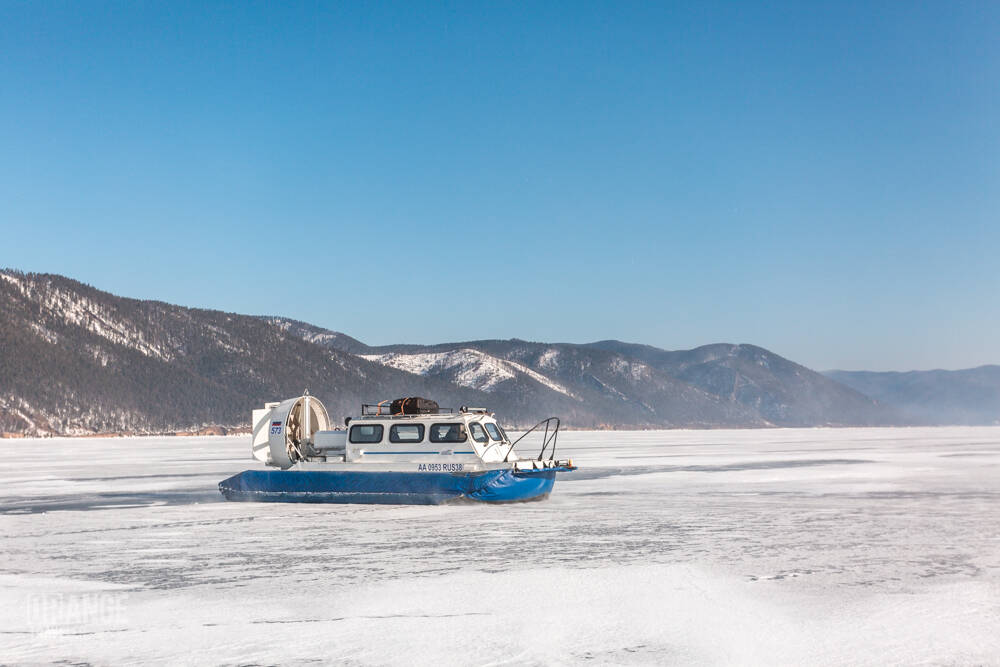
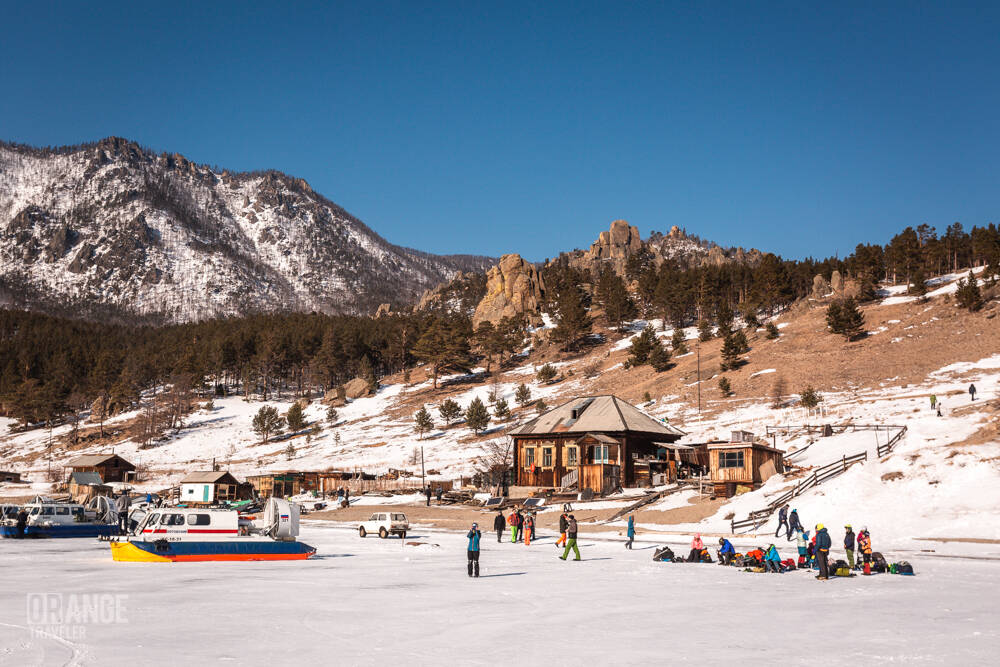
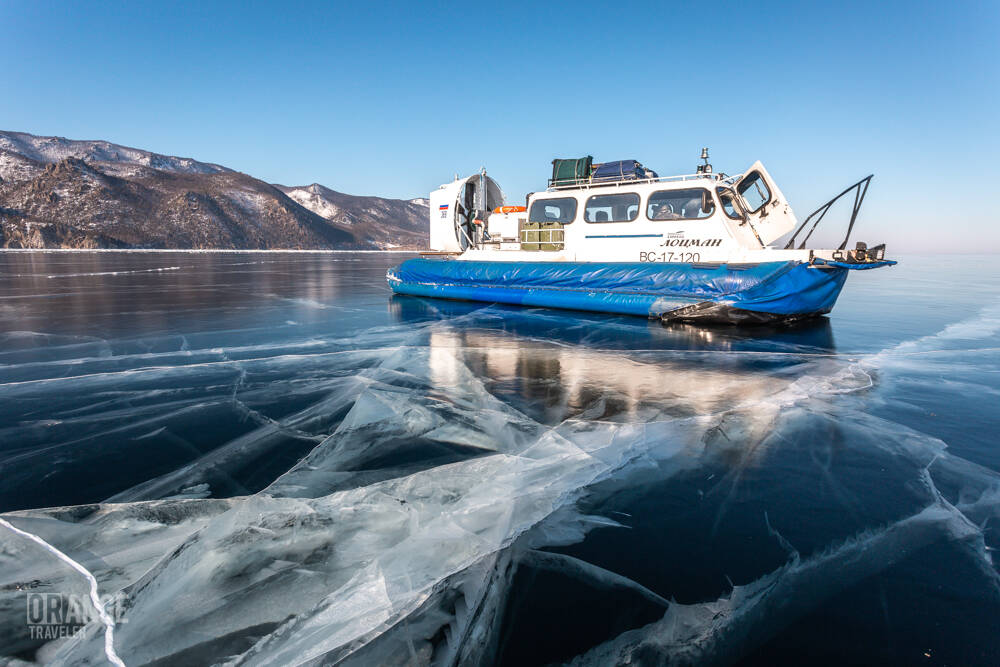
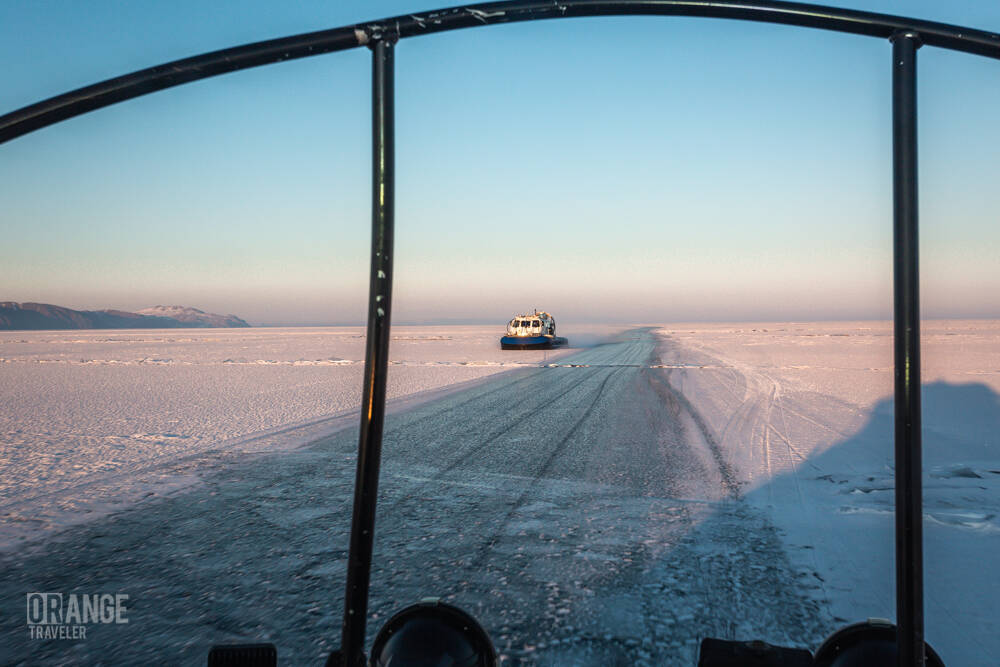
The driver was sitting by the hovercraft “Khivus” and eating ice cream. He was wearing a warm sweater and a down vest. The thermometer showed -10°C at 10 AM. According to Siberian standards, this winter was unusually warm. Baikal freezes over for a long period of time with its crackling ice hummocks, and finally, by the end of January, it plunges into a deep icy sleep. Sometimes it has “nightmares”, and its dreams come out from the dark waters, breaking the ice with a loud rumble. Unfortunately, there were no severe frosts during this winter, those that usually cover Baikal with perfectly transparent ice. In 2020, the lake froze for a long time, and it often snowed. So, in the end, Baikal turned into a huge snowy field, but not into a blue mirror.

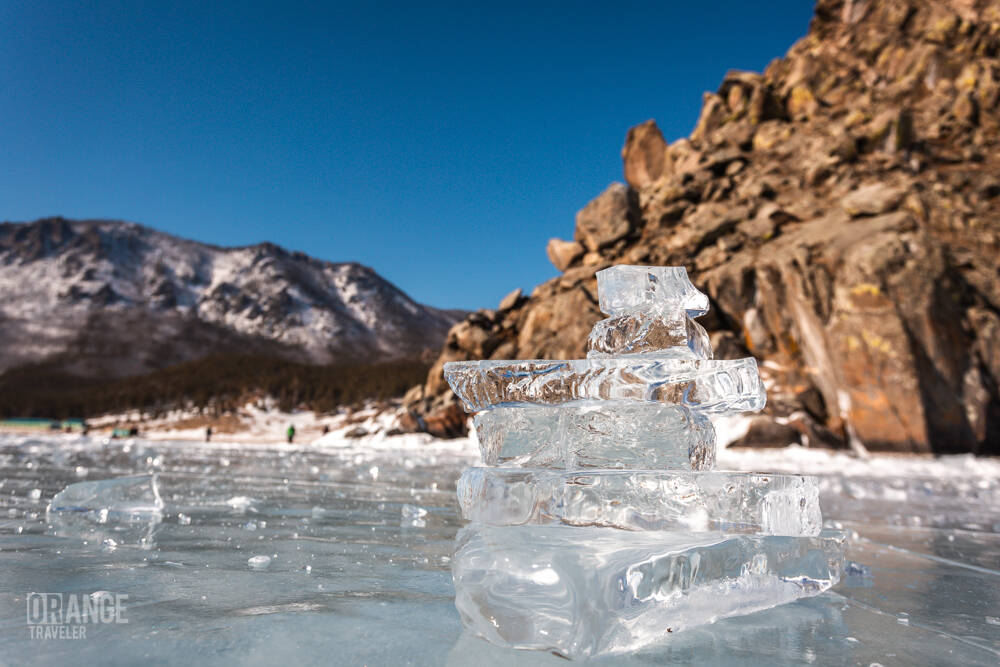
It was not that easy to find “clean” spaces on the ice surface of the lake. We found just a few transparent ice spots in windy areas. During the whole week, we saw pure transparent ice surfaces only twice; the rest of the lake was covered with a thick snow blanket. Scientists confirm that the duration of freezing for Lake Baikal has been reduced. But this does not seem to be related to the problem of global warming. This process began about 100 years ago.

Khivuses are produced at a plant in Nizhny Novgorod. There are hovercraft with large propellers, capable of driving on ice at high speeds and accommodating several passengers. In summer, most of them are moored.

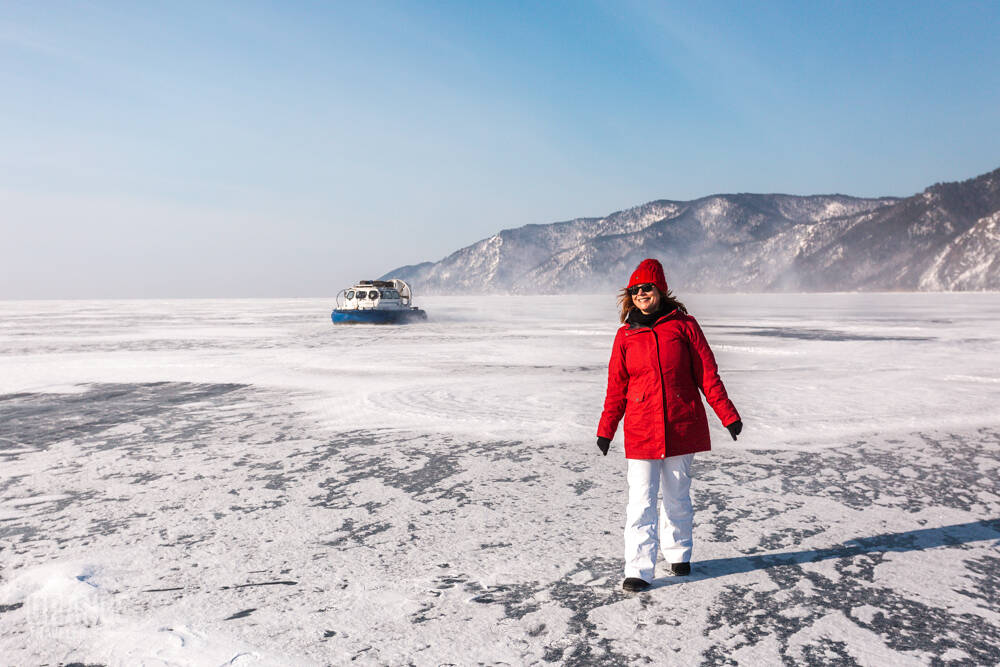
I could not even imagine what was under the ice, so for the first half hour I was pretty tense, imagining what would happen if the ice suddenly cracked. Despite the fact that in theory, a vehicle can move on Baikal ice in any direction, Khivuses move along certain “roads” and rarely leave the ice fairway. There is even an oncoming lane. After the driver's story about the flotation function of the hovercraft, I felt relieved. I no longer imagined the dark abyss and exhaled. Well, it's better not to think about the dangers and trust the professionals. It's the same rule as for people with aerophobia on a plane. But on Baikal, the locals have their own rules. I was reassured by the numbers — the ice is 70–80 cm thick; it can withstand a load of 15 tons. Khivus, even loaded with us and our luggage, weighed much less. We rushed to the village of Bolshoe Goloustnoye. That is where you can often find “bubbly ice.”


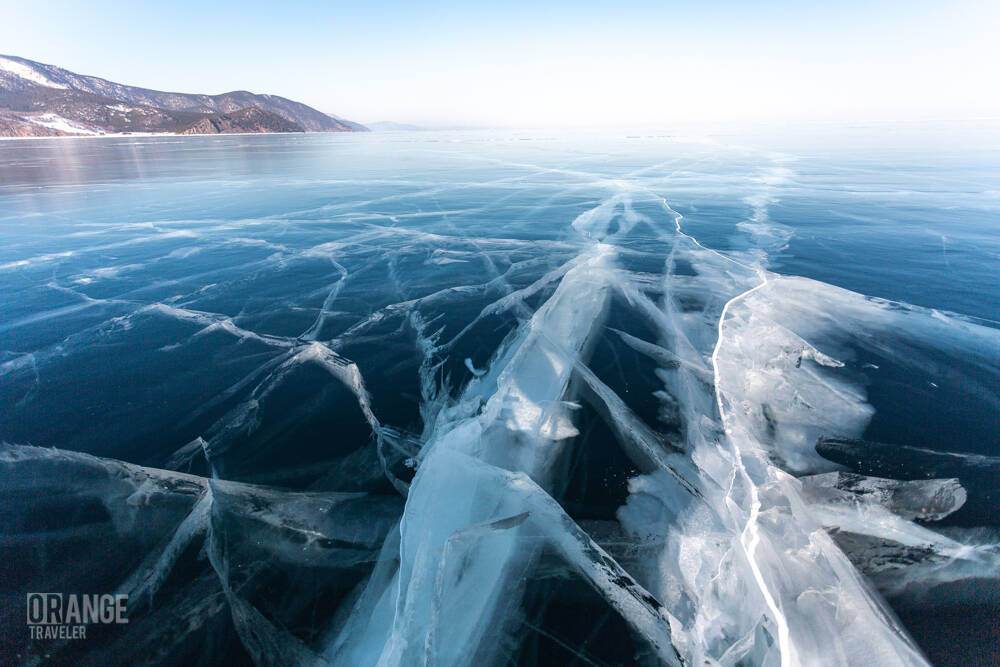
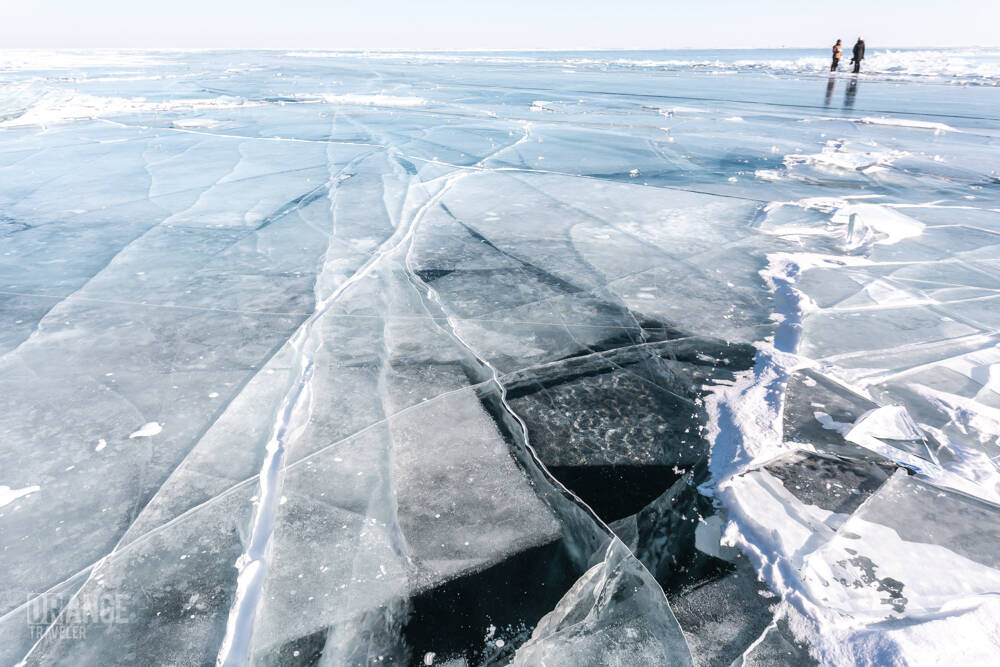
But in fact, near Goloustnoye we didn’t see much pure ice. To see the fantastic frozen air bubbles that rise from the depths, we had to clear a spot and pour warm water on the ice. But this was quite enough to admire the picture. But the ice cracks that we saw in Peschanaya Bay (Sandy Bay) made a greater impression on me than bubble ice.

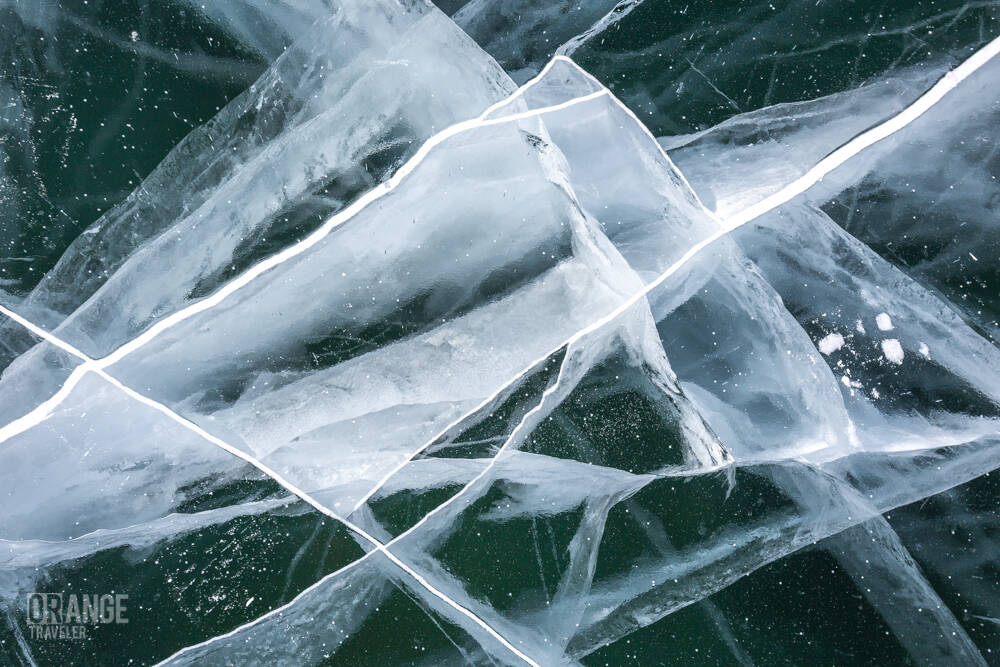
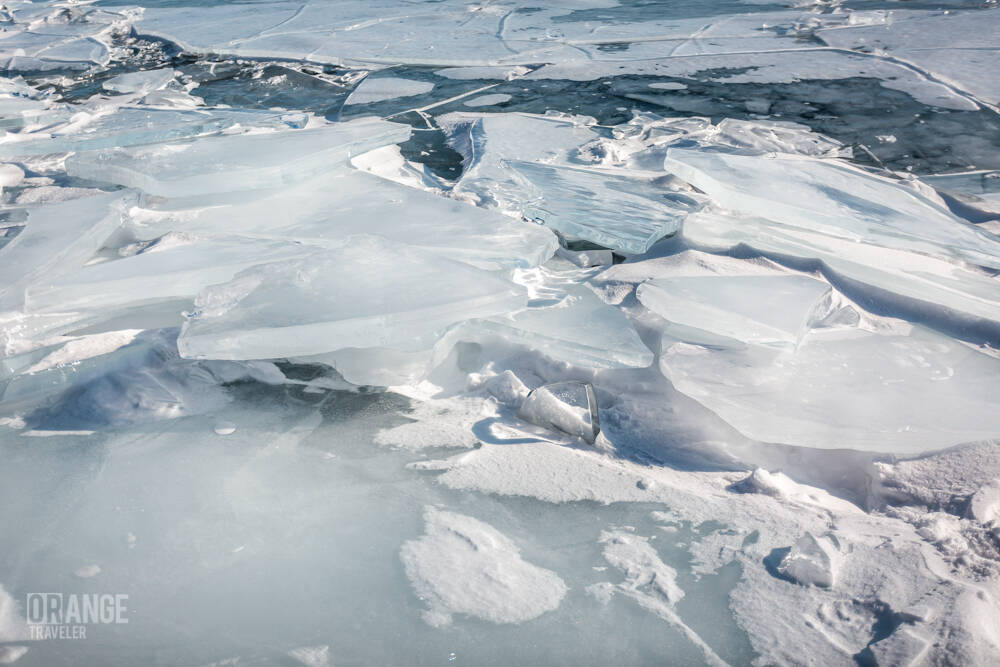
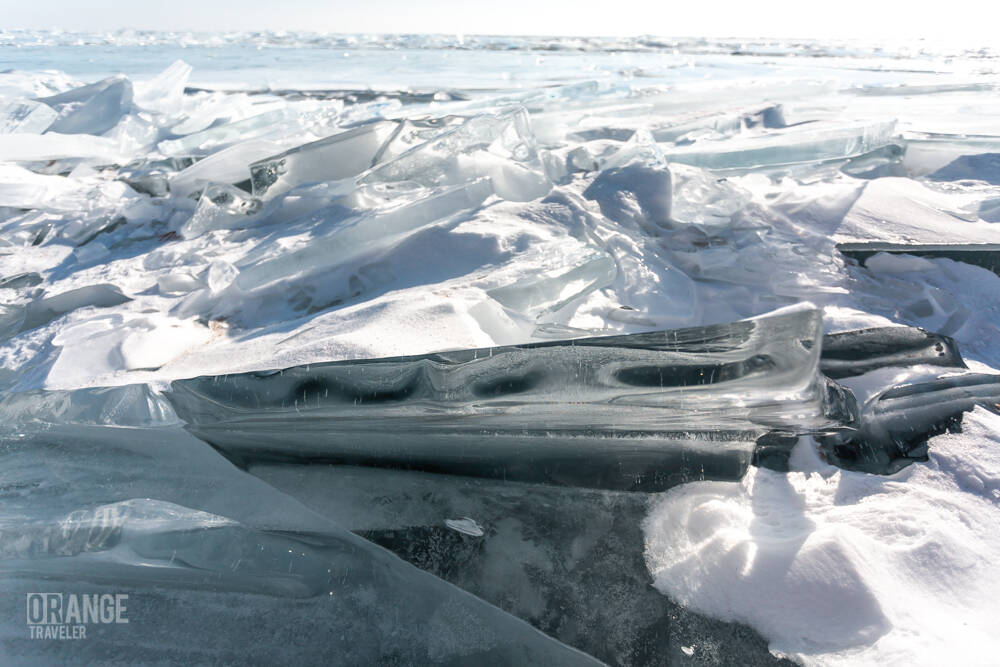
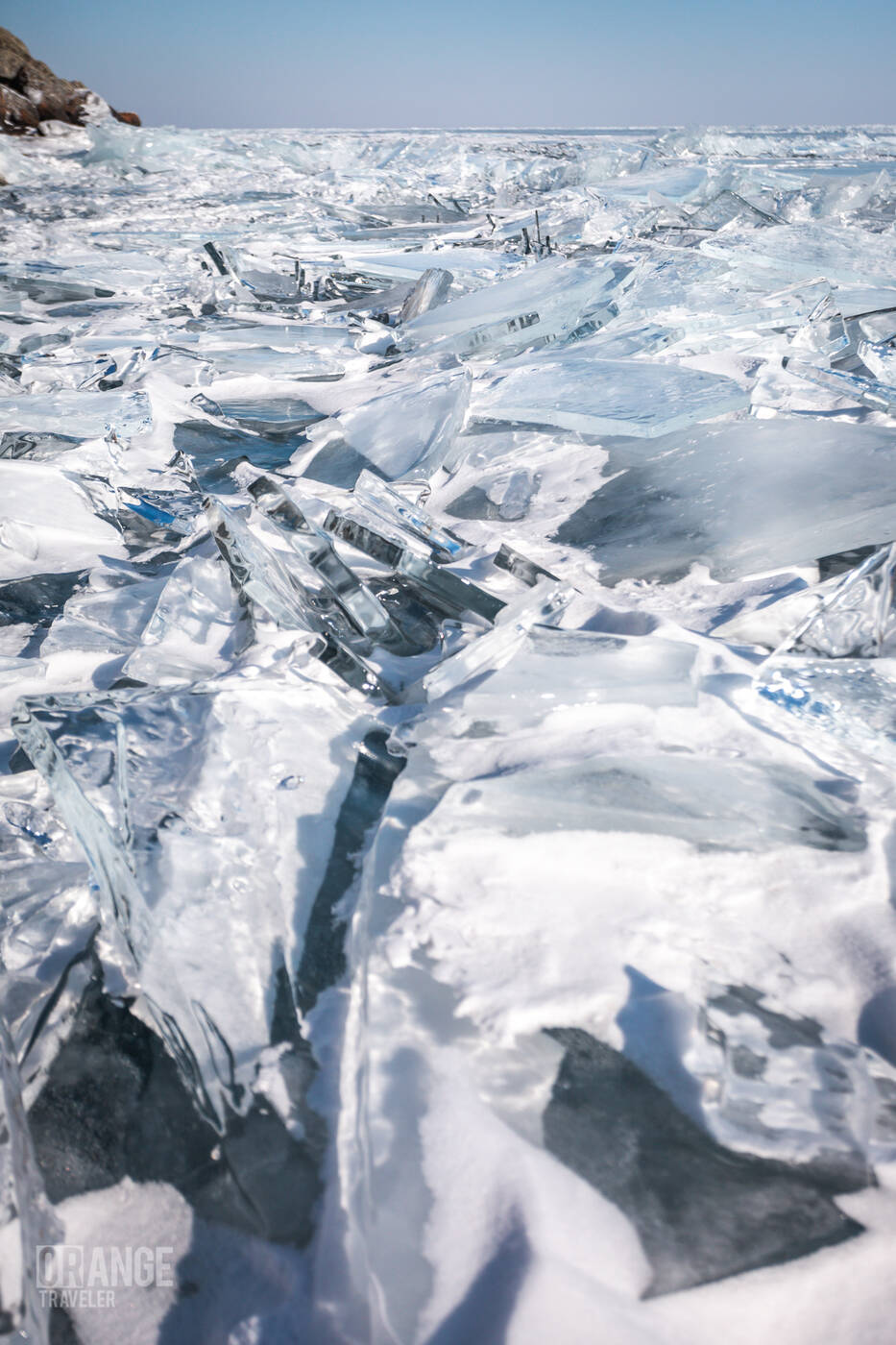
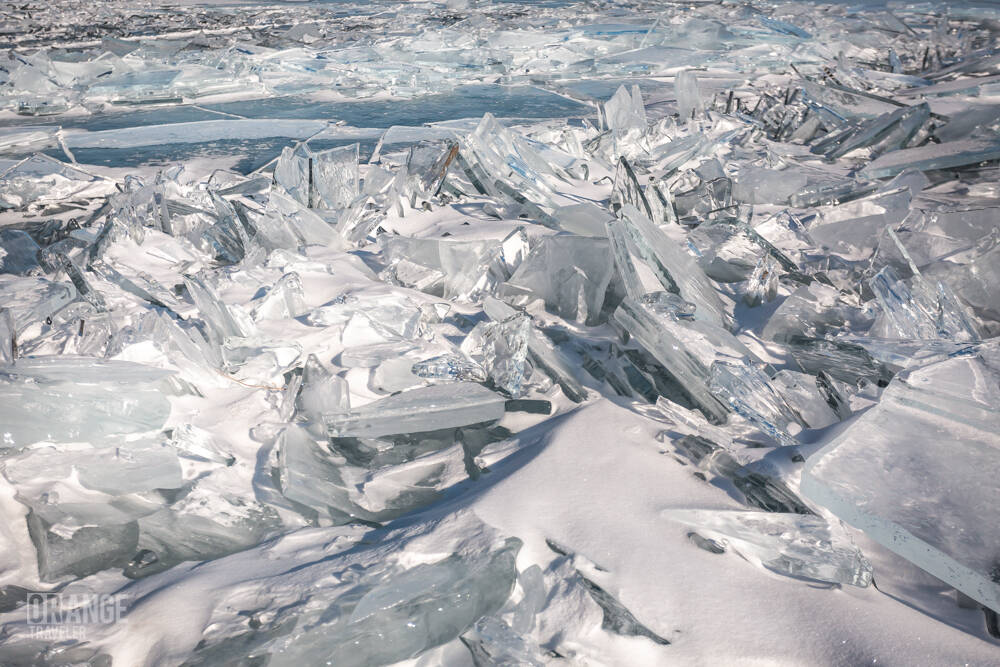
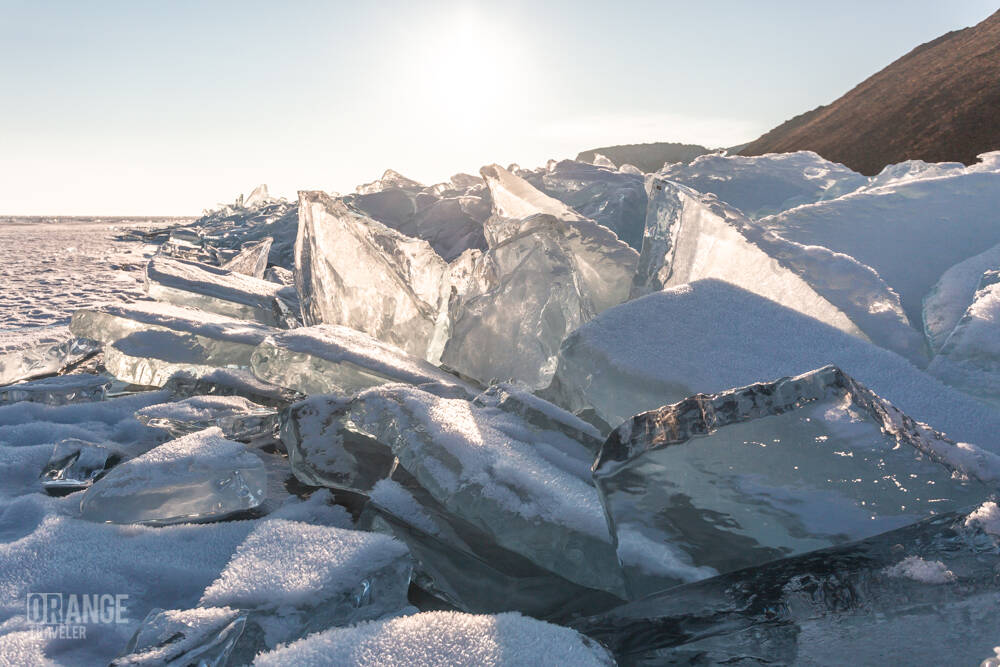
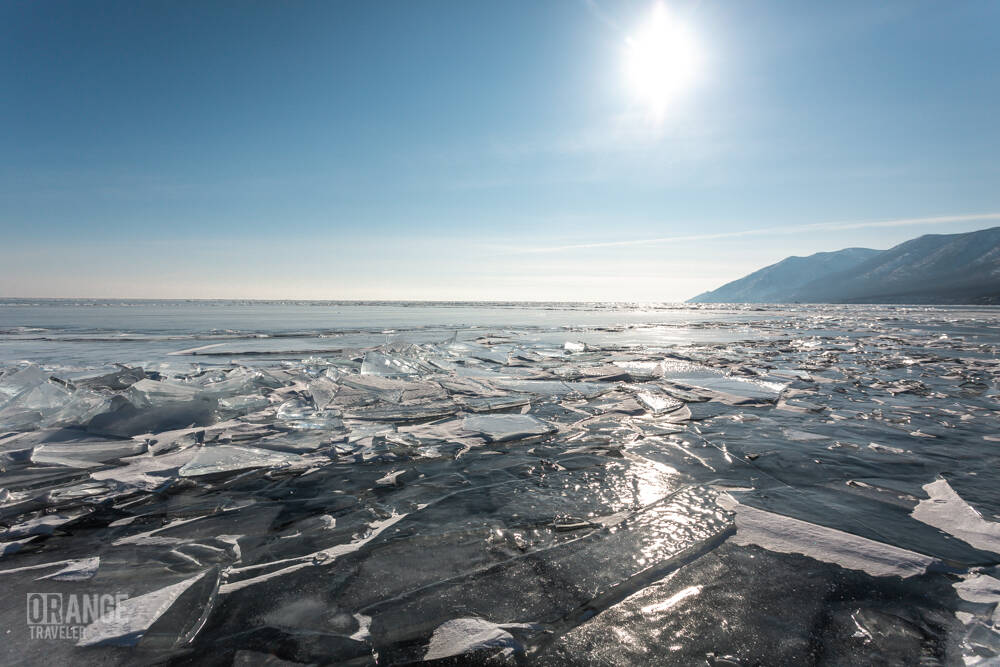
Ice cracks are like lines on hands — not a single one is repeated. White, imperfect, curved lines extending into the distance and depth. They line Baikal with strange patterns. Cracks form under the influence of underwater currents and strong winds. Sometimes large, flat slabs of ice collide with each other and overlap one another, forming an icy chaos. These are called hummocks.


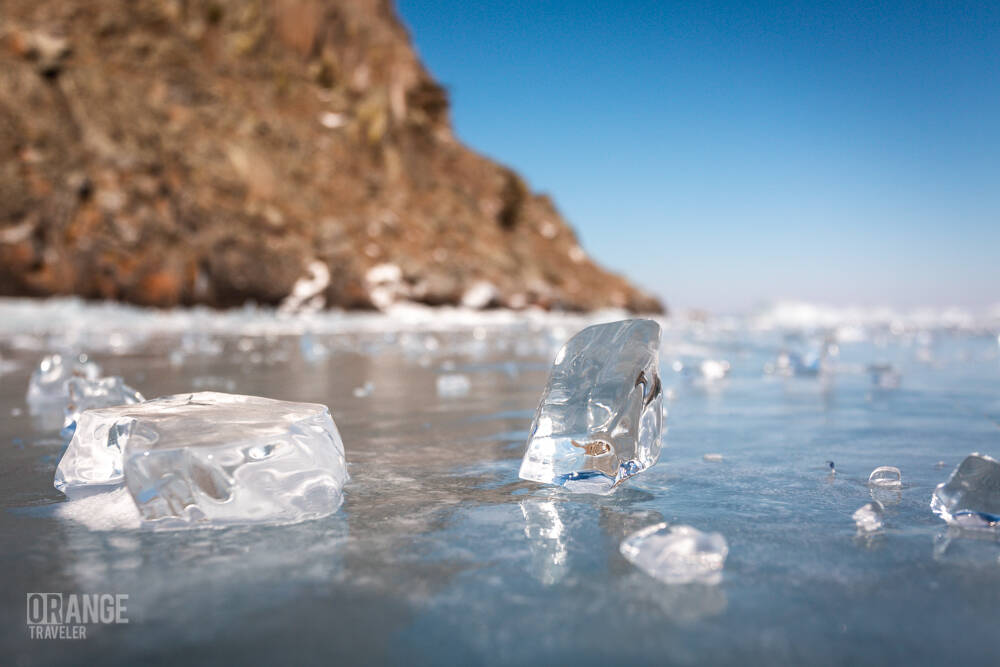
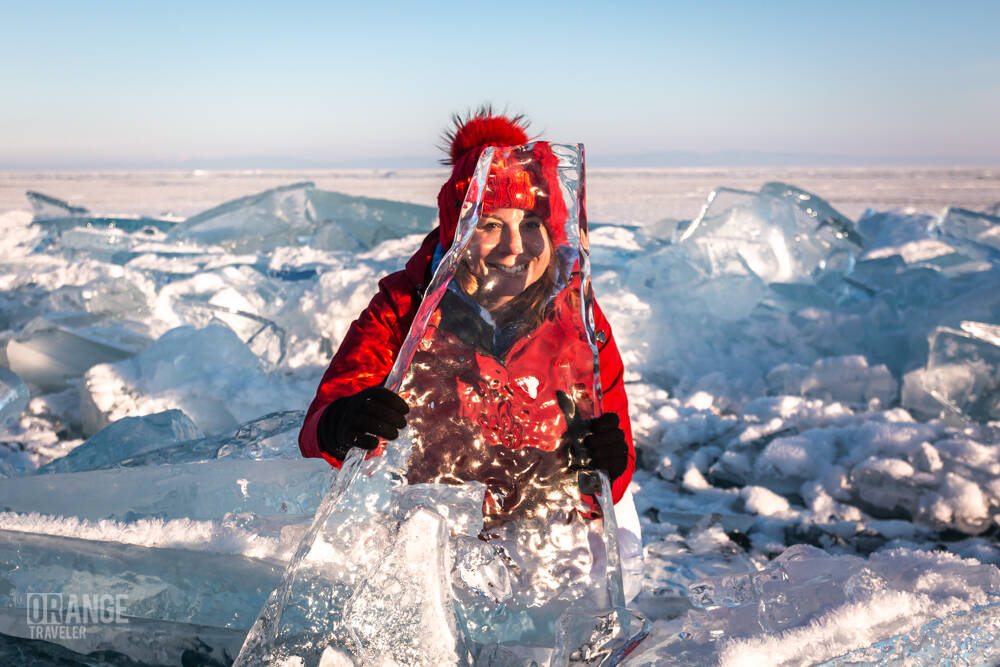
It seemed that there I felt an ice floe stab my heart, like the splinters of the troll-mirror into the little boy Kai's heart in the fairy tale “Snow Queen”. And I felt that Baikal and its ice really enchanted me: transparent ice floes were like glass, piles of ice hummocks were like broken mirrors. There were many fantasies and allegories. Baikal ice turned out to be truly magical.

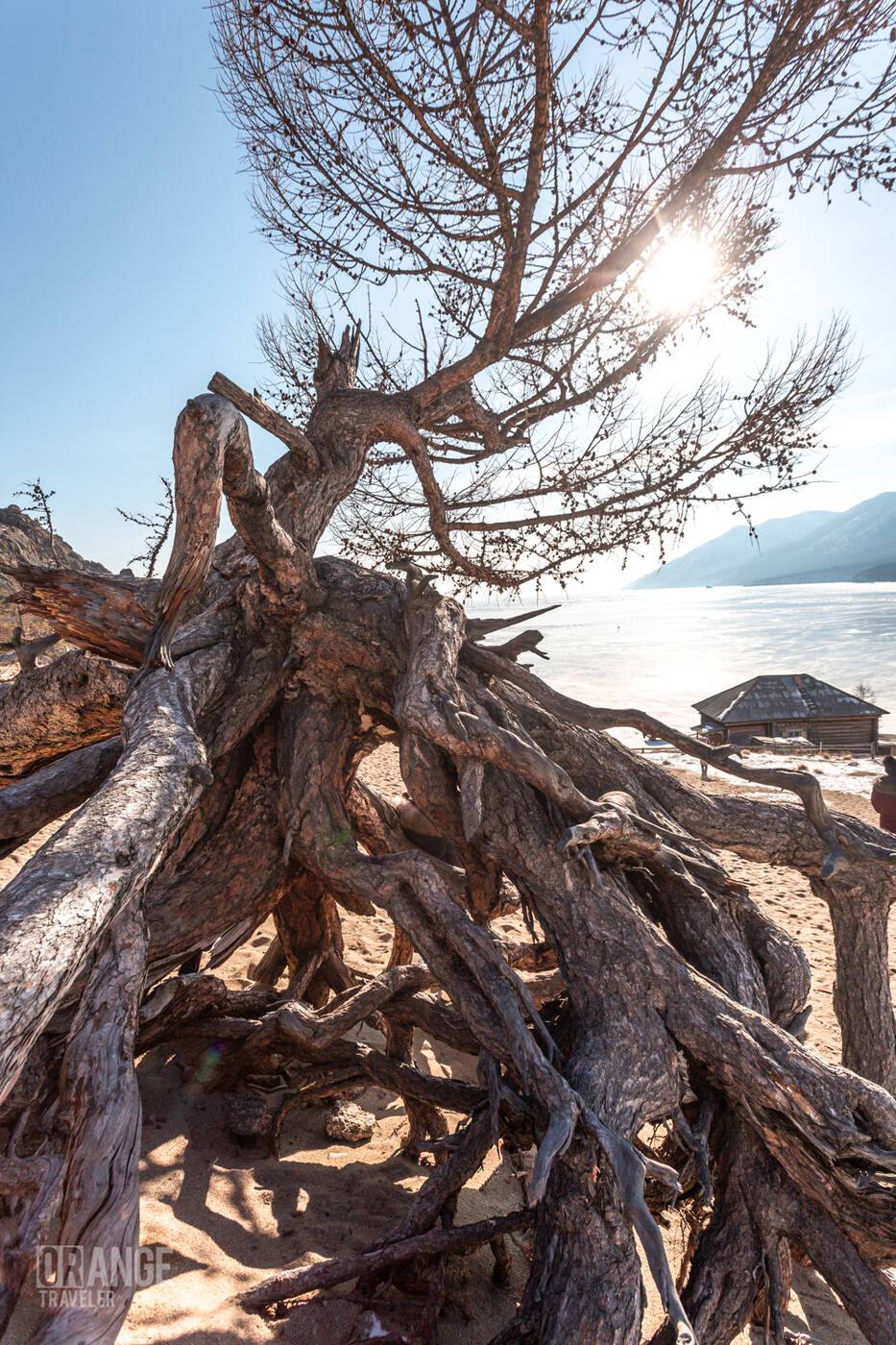
In Peschanaya Bay, we went ashore to look at the “walking” trees (fanciful dried-up trees with exposed roots). They are in an unfair battle with the wind, which blows all the soil away from under the roots. With these almost uprooted trees, the slopes of the Primorsky Ridge look very unusual, more like “alien”.

The higher we climbed, the more breathtaking the view became — not of the forests and the semicircular bay, but of the white space of Lake Baikal.


Just an hour before sunset, we rushed towards Olkhon Island, past the Tazheran steppes. Close to the Small Sea Strait and the Olkhon Gate Strait, we made another stop. Ice hummocks sparkled in the sunset rays like the most expensive diamonds. The pieces of ice were surprisingly transparent; some had almost no distortion. It was the best ice sunset in my life. It was already dark when we got to Sakhyurta village, where we stayed for the night.
The easiest way to get from Irkutsk to Listvyanka is by road along the Baikal Highway. Regular buses run from Irkutsk Bus Station to Listvyanka; the route also stops near Taltsy and the Baikal Museum. In 2026, route 526 appeared in the official regional bus timetable with several daily departures, but the schedule should be checked close to the travel date.
In summer, there is also a water option. The East Siberian River Shipping Company runs seasonal services on Lake Baikal; in 2026, the Irkutsk — Listvyanka — Bolshiye Koty route included a Listvyanka stop on its summer timetable.
By road, the journey usually takes about 1.5 hours, depending on traffic and stops. The official route 526 timetable shows the bus from Irkutsk Bus Station to Listvyanka with intermediate stops, including Taltsy and the Baikal Museum.
Yes. Taltsy is on the Baikal Highway, on the 47th kilometre from Irkutsk, so it fits naturally into a day trip from Irkutsk to Listvyanka. The museum describes itself as an open-air architectural and ethnographic museum with monuments from the 17th to the 20th centuries.
You can visit Taltsy independently, but a guided tour is better if you want to understand the wooden architecture, the Angara-Ilimsk sector, the Buryat sector and the old Siberian household details. The museum has an official excursions section and gives contact details for its Irkutsk office. In 2026, the museum also lists an online ticket option on its official website.
The most reliable period is usually from mid-February to mid-March, when the ice is already formed and winter routes are normally operating. It is never guaranteed: snow, wind, cracks and local ice conditions can change the picture from week to week.
The famous bubbles are linked to gases trapped in the ice. Scientific research on Lake Baikal describes methane hydrates and methane-related ice structures, but for a traveller it is safer to treat “bubble ice” as a natural phenomenon that depends on the exact place and season.
One of the most common day-trip areas from Irkutsk is the southern part of Lake Baikal, including Listvyanka and Bolshoye Goloustnoye. The exact place should be chosen with a local guide or operator shortly before the trip, because the clearest ice depends on snow cover and safe access.
A Khivus trip should be booked through a licensed local operator, hotel desk or trusted guide who checks the current ice situation. Do not arrange an ice ride with a random driver.
A Khivus is a hovercraft, so it can move over ice and water, but that does not make every route safe. Wind, cracks, pressure ridges and shoreline ice still matter. A proper trip should follow checked routes and current safety instructions, especially in February and March.

“The Four Seasons of Russia” project is supported by the Russian Geographical Society www.rgo.ru
A visit to Winter Baikal is recommended by the Russian Geographical Society.

Read more about Baikal:
How I met a Shaman at Olkhon Island. What Spirits of Ancestors Explain
Baikal: Winter journey. Part 2. Olkhon Island - Ogoy Island
Baikal: Winter journey. Part 3. Buryatia
How I spent the night in a tent on the ice of Lake Baikal
Lake Baikal. What do we know about it?
Ivolginsky datsan: A cloister that gives you happiness
Questions and life hacks about a winter trip to Lake Baikal
Translation: Irina Romanova















 Travel reportage
Leave a comment