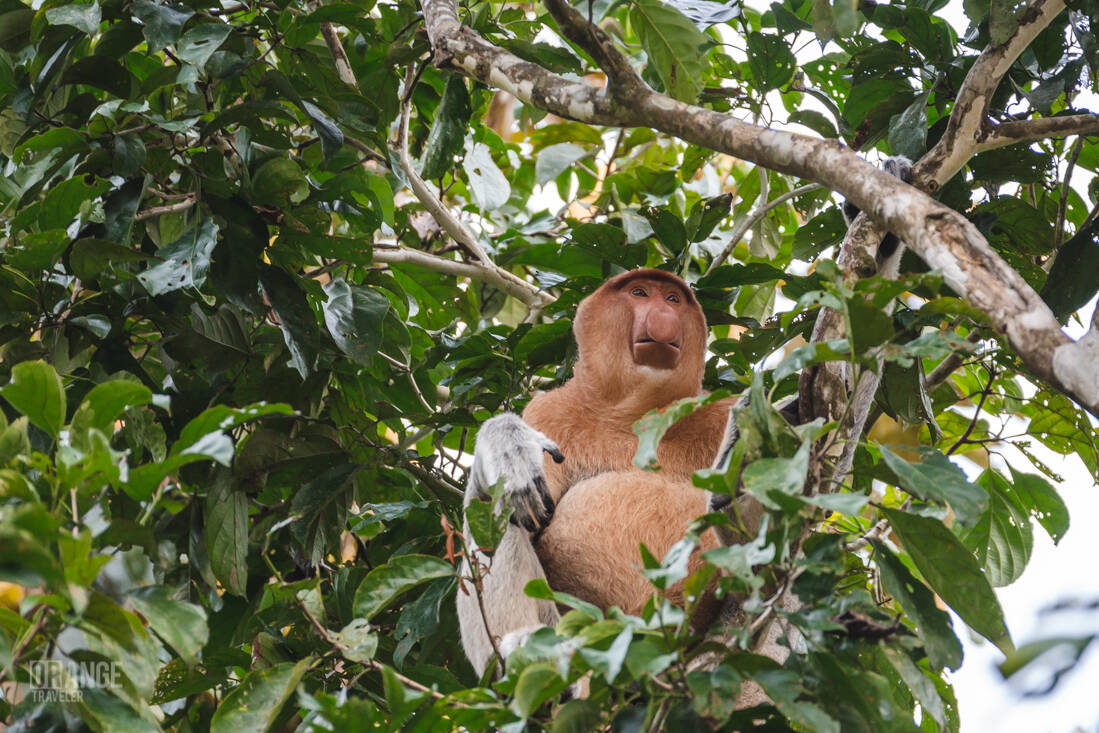
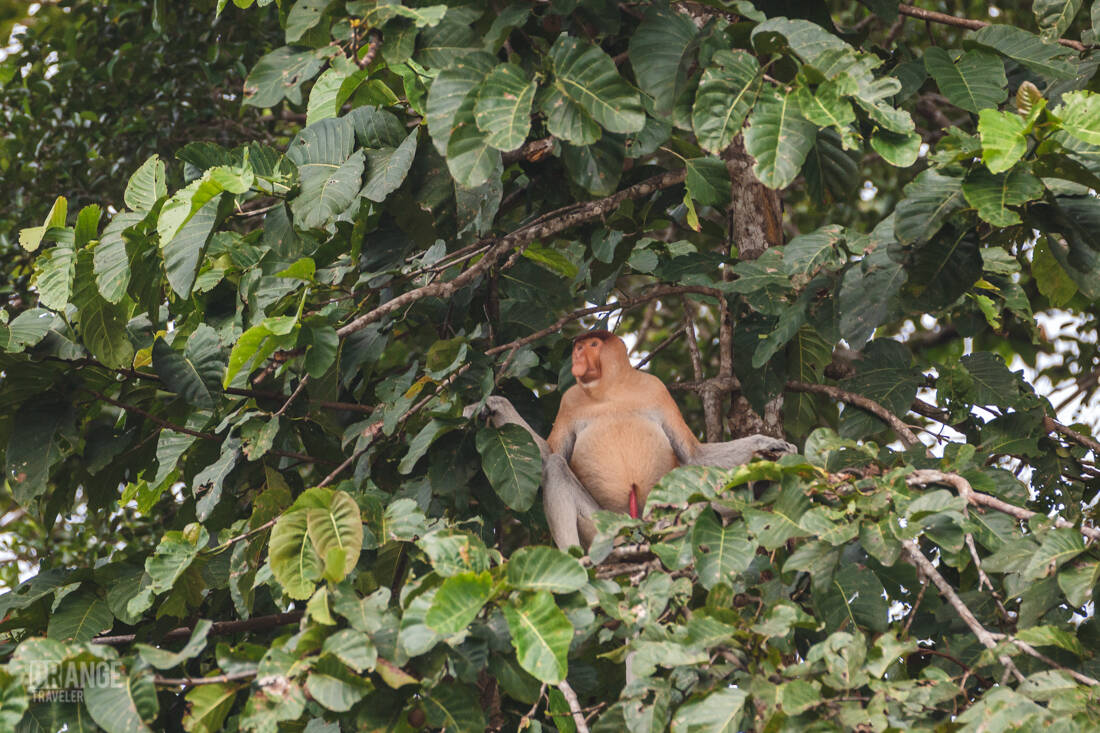
The question “So, who’s the alpha male around here?” never even comes up — on the Kinabatangan River in Sabah, Borneo, faced with a pot-bellied proboscis monkey, you bashfully avert your eyes. His nose looks like you-know-what, and as if that weren’t enough, the primate flaunts his protruding essence with quite deliberate conviction. But the nose is bigger.
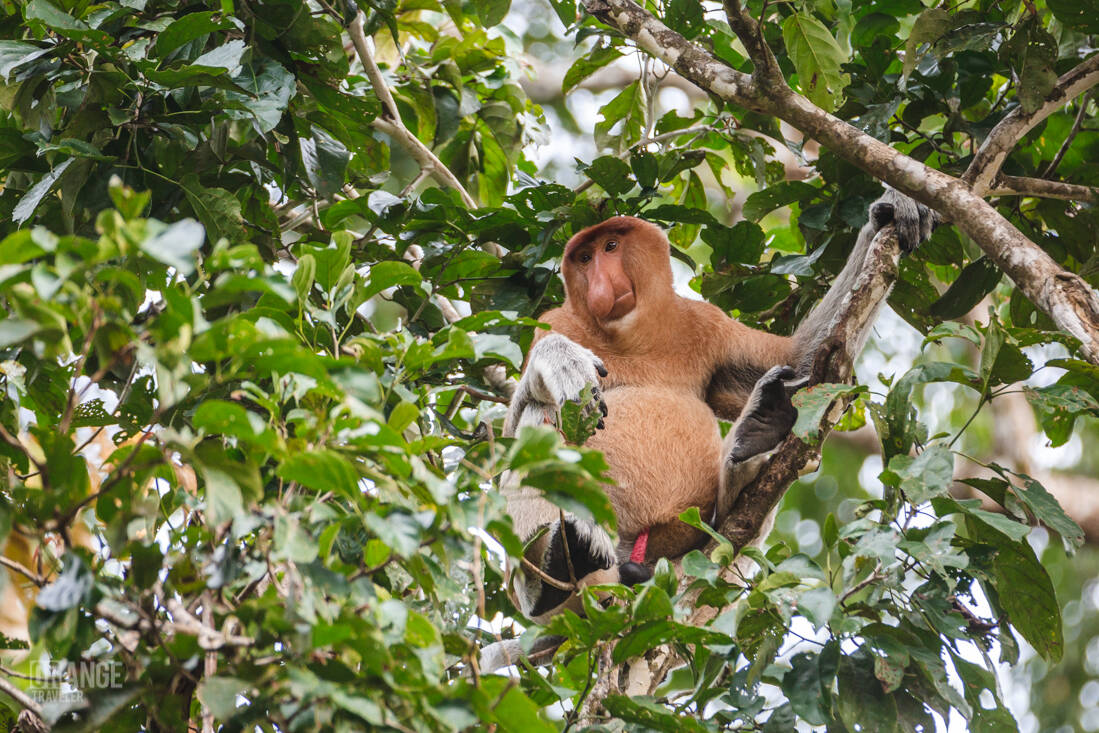
He sat among the branches, legs spread wide, one leg stretched out almost humanly, the other bent at the knee, looking around and barking at his troop — his harem group. The snub-nosed females peeked at their “boss” from behind the foliage, while the younger monkeys kept their distance. From time to time, he scratched his belly and private parts, making me blush and laugh in equal measure.
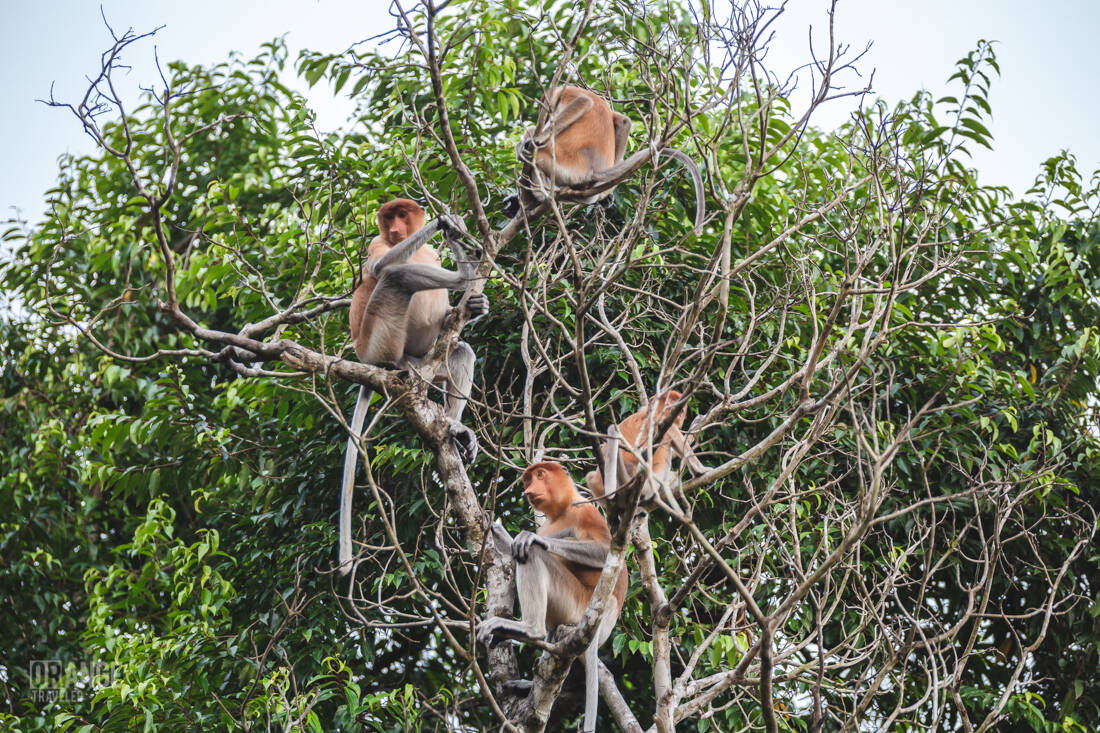
The proboscis monkeys of Borneo were the first animals we saw during an evening Kinabatangan River cruise. I had arrived at a small riverside lodge from Sandakan in the afternoon, planning to spend a few days in nature, strictly following the observer’s schedule. Early morning — up before dawn, a coffee for the road with biscuits still warm from the oven, a morning river safari in Sabah, back to the lodge, breakfast, idleness, and after lunch — back into the boat to scan for those who live along both banks of Malaysia’s second-largest river.
My guide, Berry, businesslike as ever, set our goals for the coming days during that very first Borneo wildlife safari: we needed to see the local Kinabatangan River Big Five: the rare hornbill — there are hordes of them flying around here, but of the eight species, we needed the one and only Buceros rhinoceros; orangutans — the wet season was beginning, and they were retreating deeper into the island; proboscis monkeys — no problem there; the saltwater crocodile; and the pygmy island elephants, of which, according to rough estimates by the International Union for Conservation of Nature, around 1,000 individuals remain in the wild.
And they, as it turned out, were the most difficult. They rarely appear by the river as a herd. Berry took out his phone and showed me a video he had filmed a couple of months earlier: animals coming to drink. “I haven’t seen them here since.” Well then. The goal was clear, and nothing stood in our way.
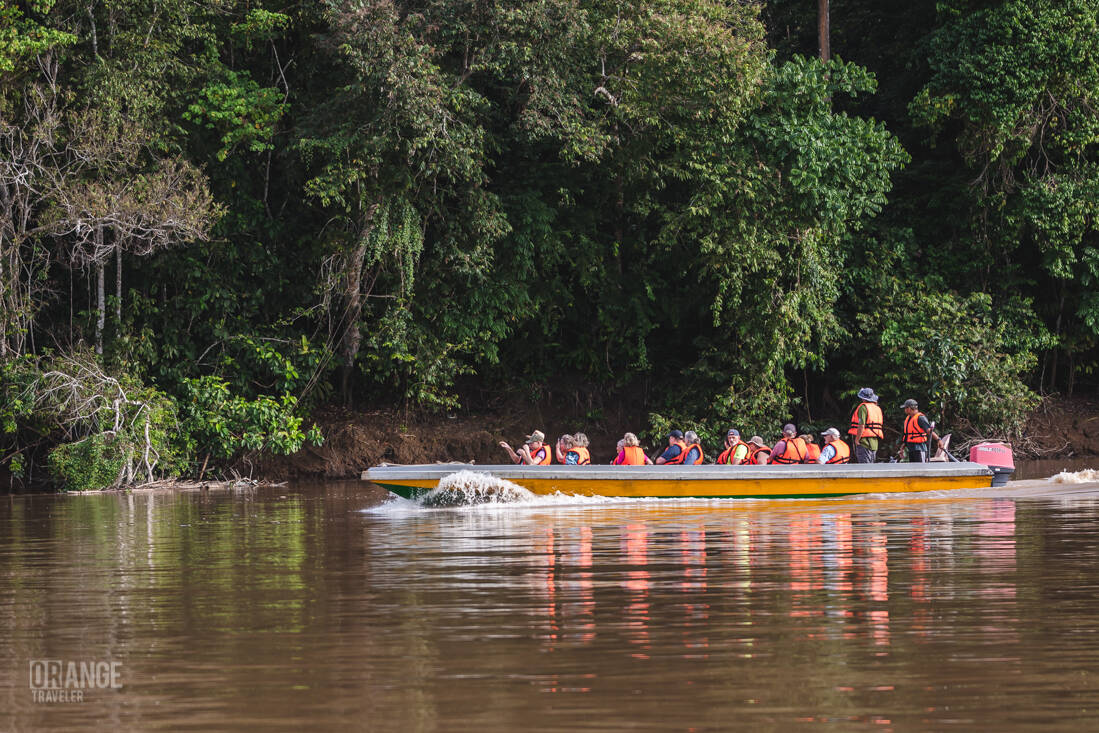
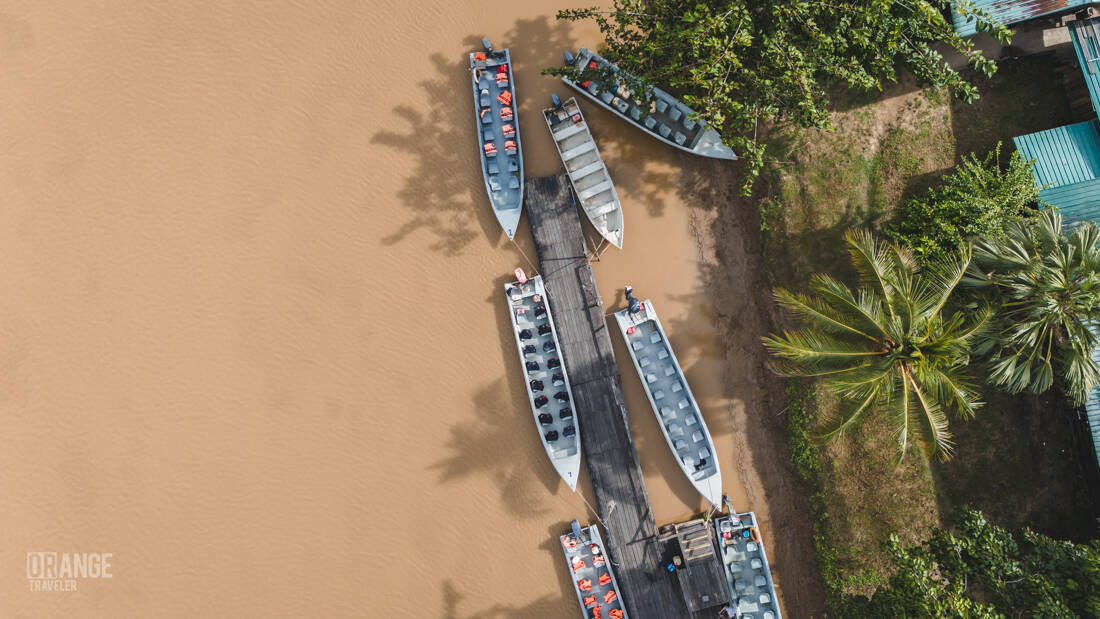
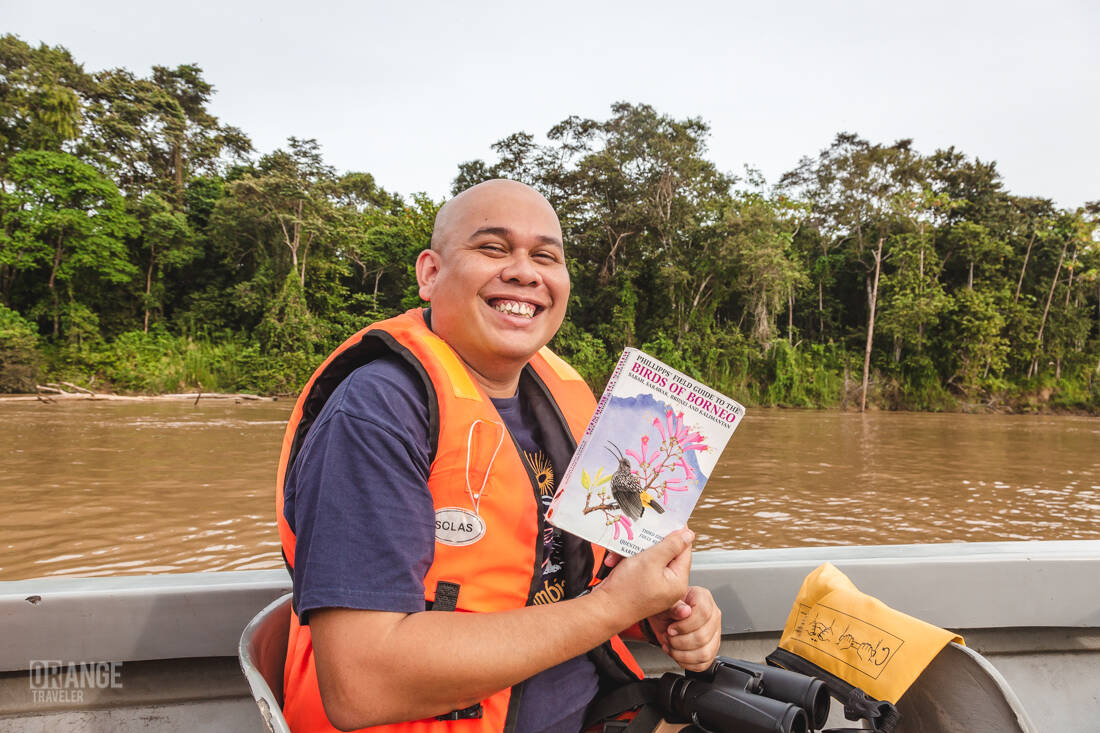
At our disposal were long open motorboats, a river full of life, and my Berry, who seemed to know every bird by name, every habit of every animal I could possibly ask about.
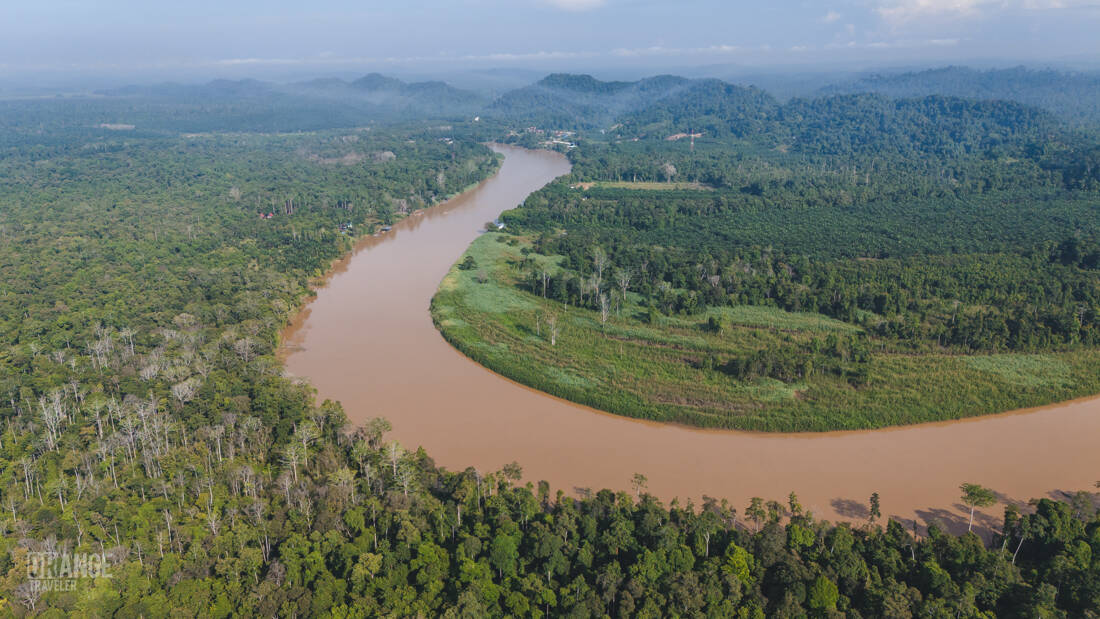
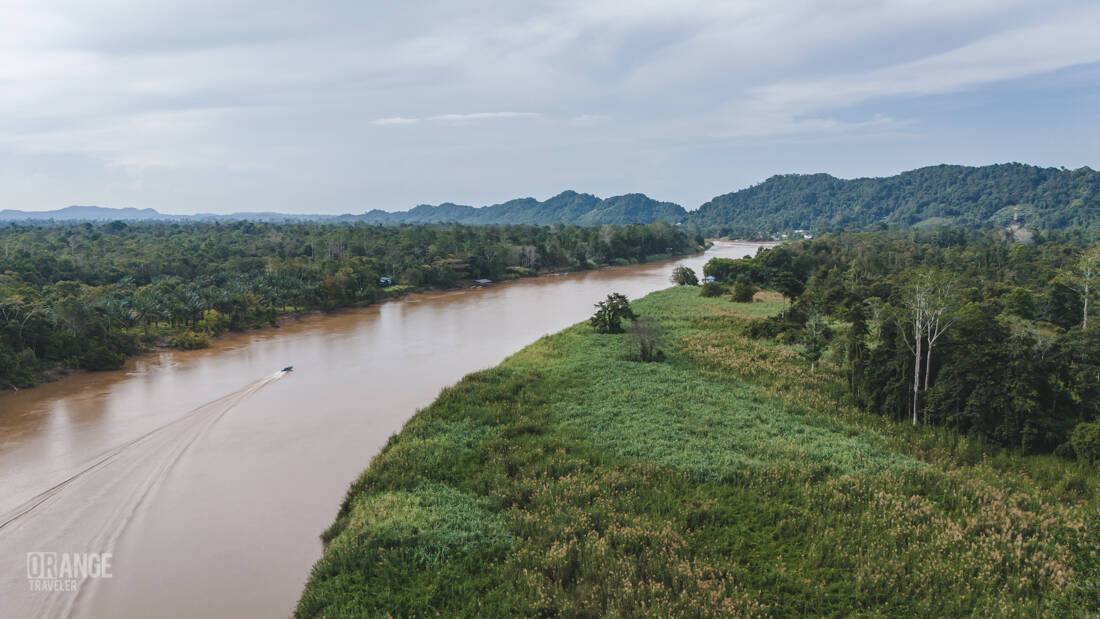
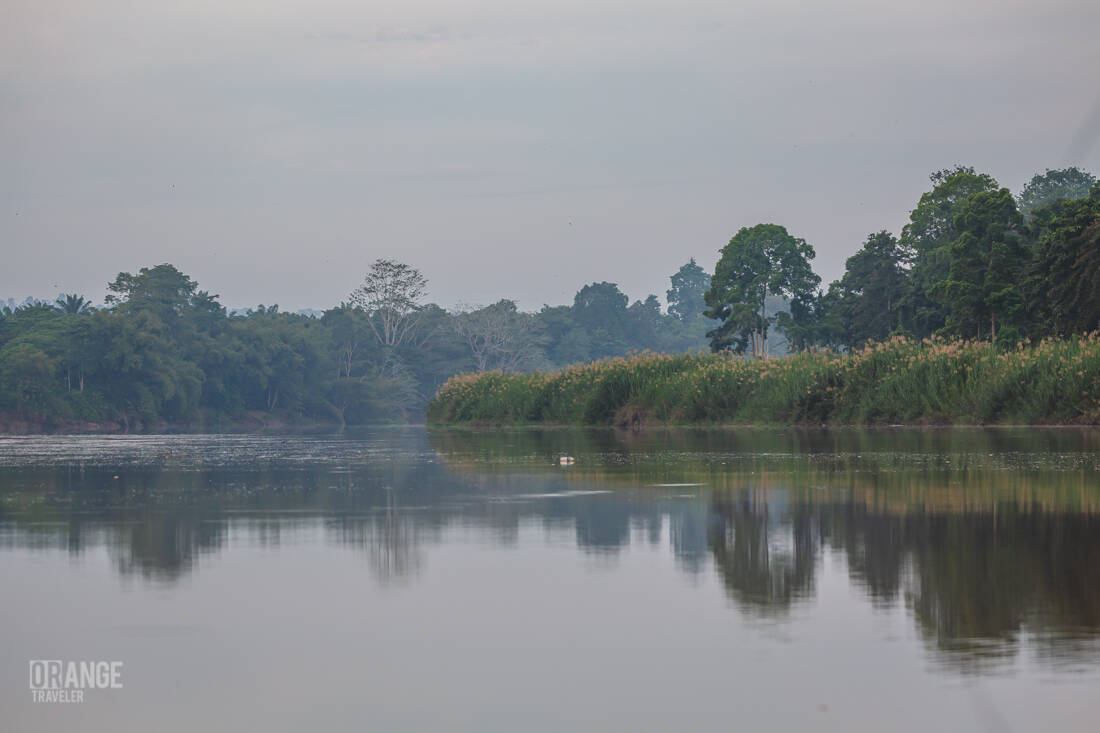
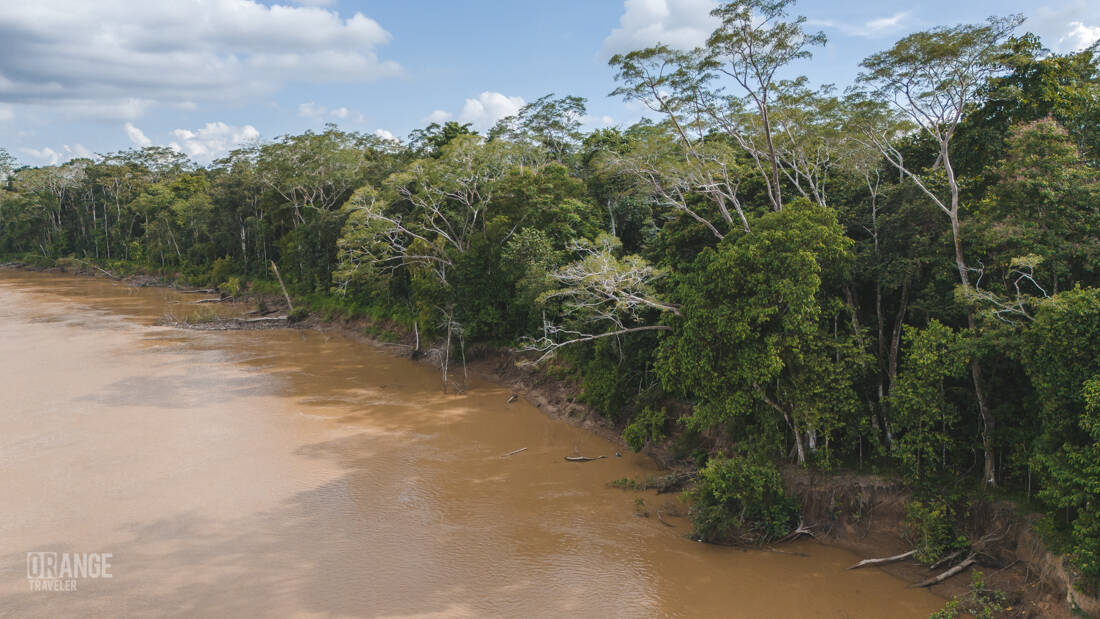
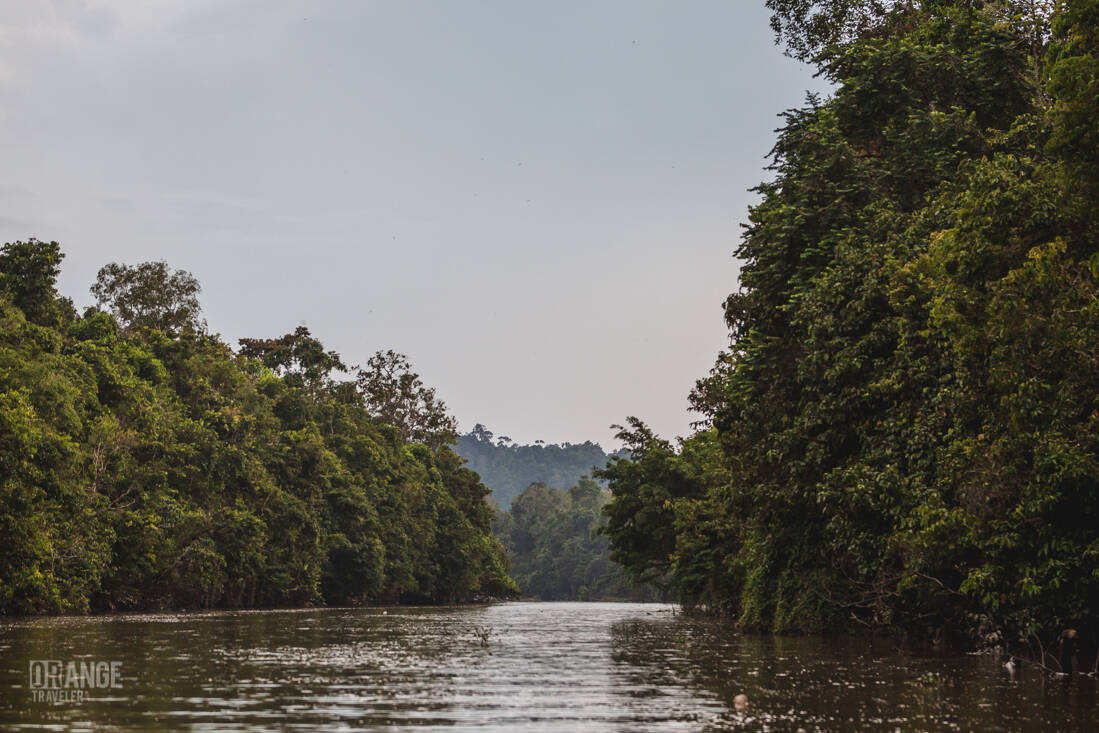
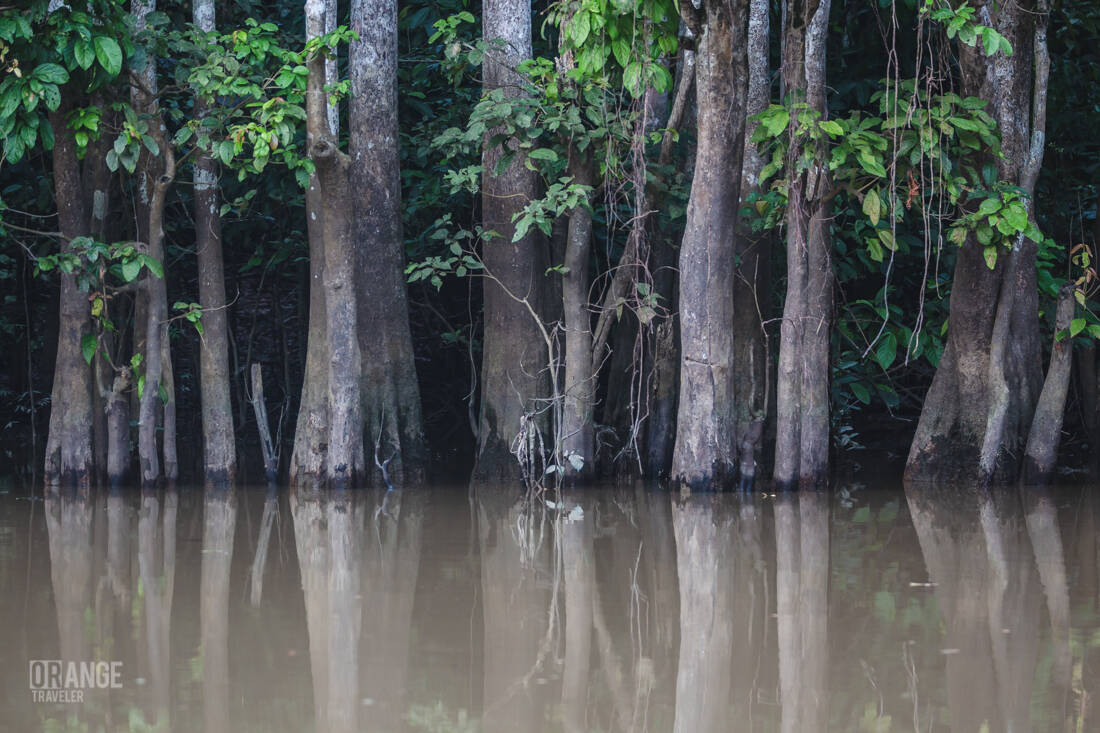
The Kinabatangan River, one of the longest rivers in Malaysian Borneo, winds for a full 563 kilometres, like a tree snake across the plains of Sabah, tangling itself in mangroves and hiding in virgin forest. For lovers of wildlife watching in Borneo — and I am a textbook example of that particular breed of enthusiast — it is an excellent place.
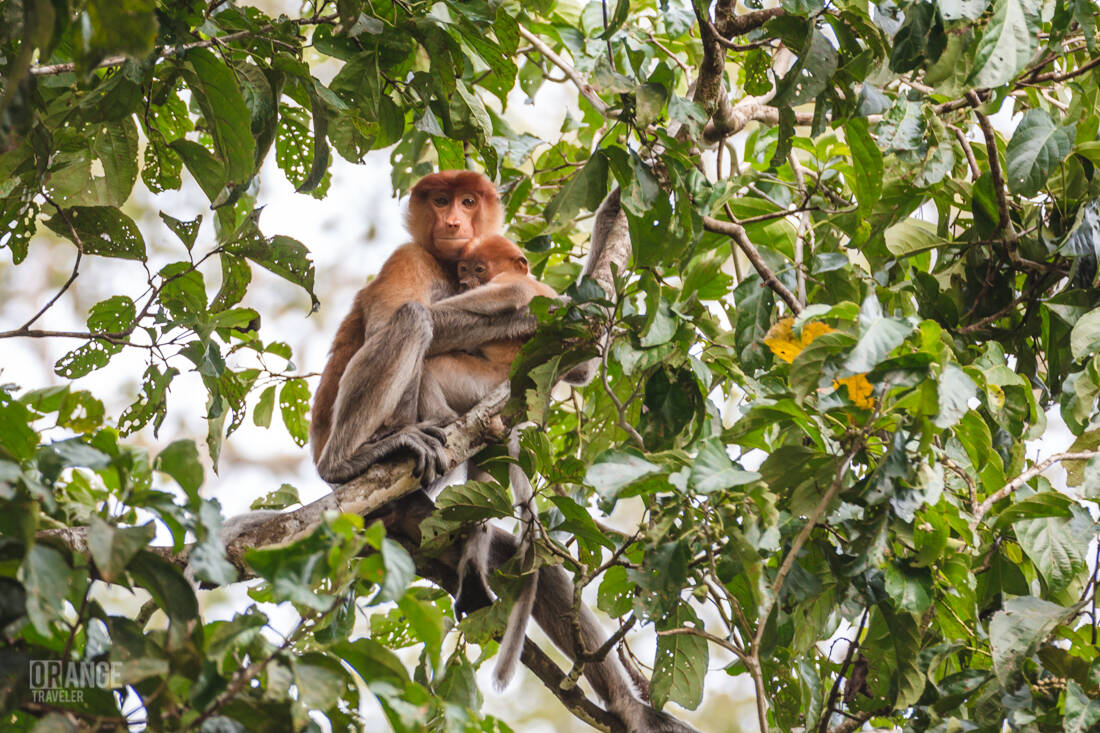
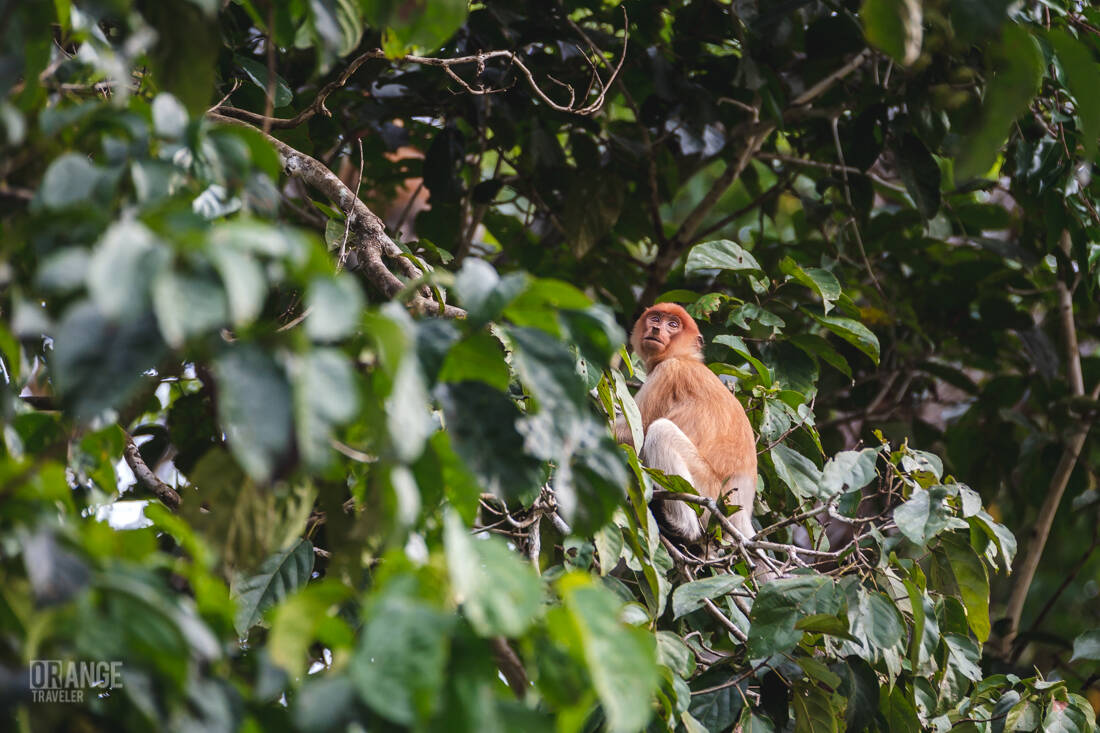
Our boatman carefully returned the boat to the best viewing spot; the slow current kept carrying us slightly away while we watched a group of proboscis monkeys, which live only on Borneo, from the perfect angle. In English, they are called proboscis monkeys — monkeys with a little trunk, one of the signature species of Borneo wildlife. And with that, shall we say, dangling, fleshy trunk, the males naturally attract females. And at the same time scare off rivals.
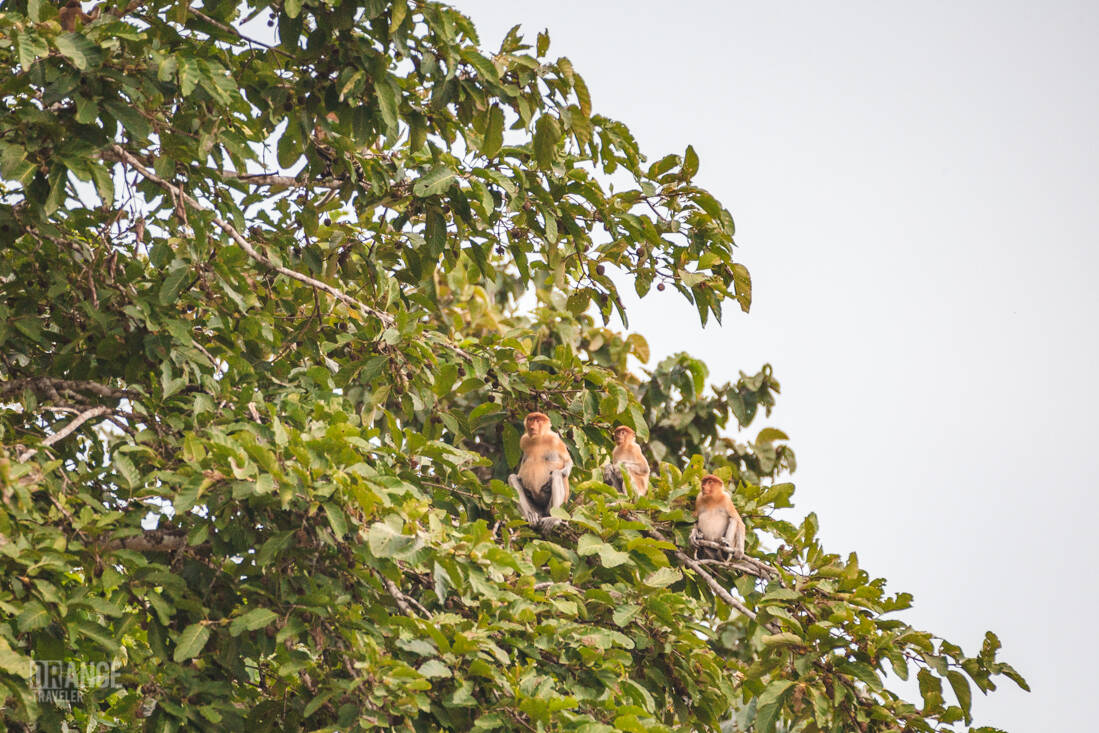
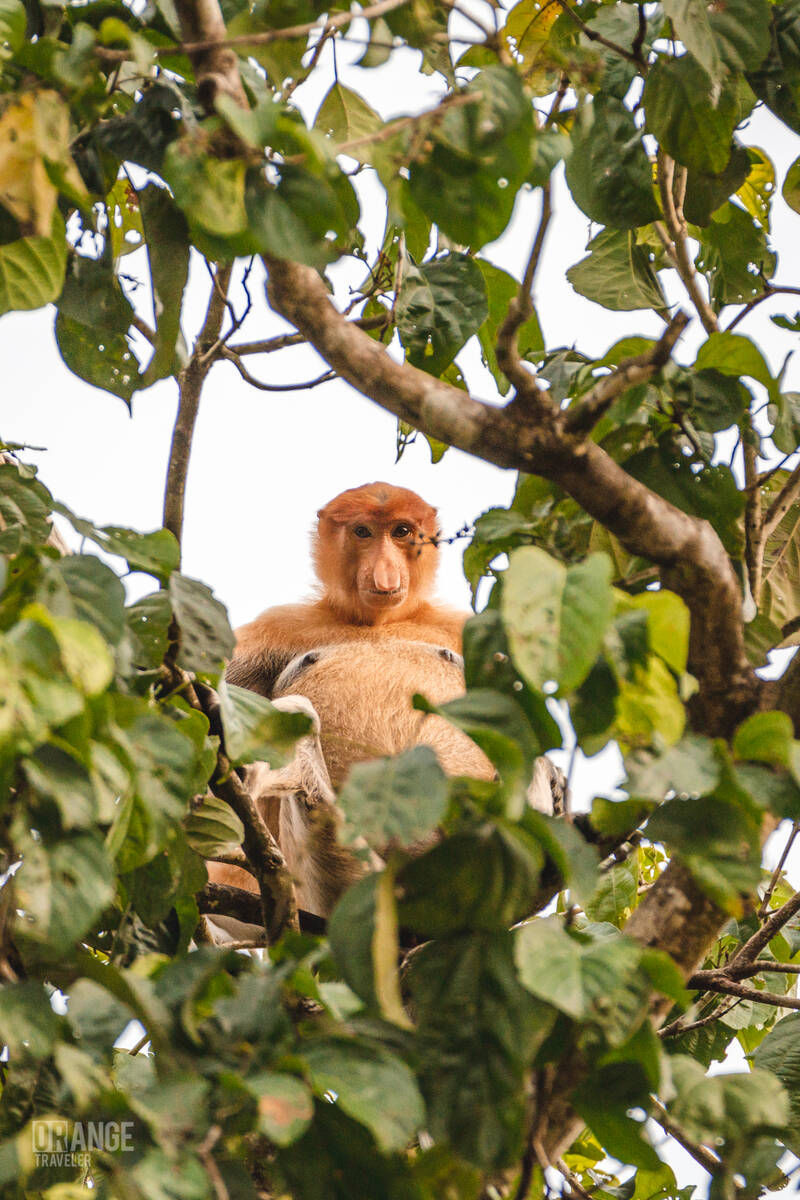
Proboscis monkeys live in the treetops and try not to stray far from the river. To my surprise, I learned that they are excellent swimmers — in case of danger, they can launch themselves straight from a tree into the river and swim away from the threat. They have webbing on their feet, which allows them to dog-paddle their way out of trouble, even from crocodiles. “And who are their enemies?” I asked. “Clouded leopards, mostly,” my guide replied. “They live here too.” Through my camera lens, I watched the alpha male.
His huge belly, almost grotesque — one is tempted to joke and call it a beer belly — is the result of his metabolism at work. Proboscis monkeys have multi-chambered stomachs, where the leaves and fruit they chew all day ferment beautifully.
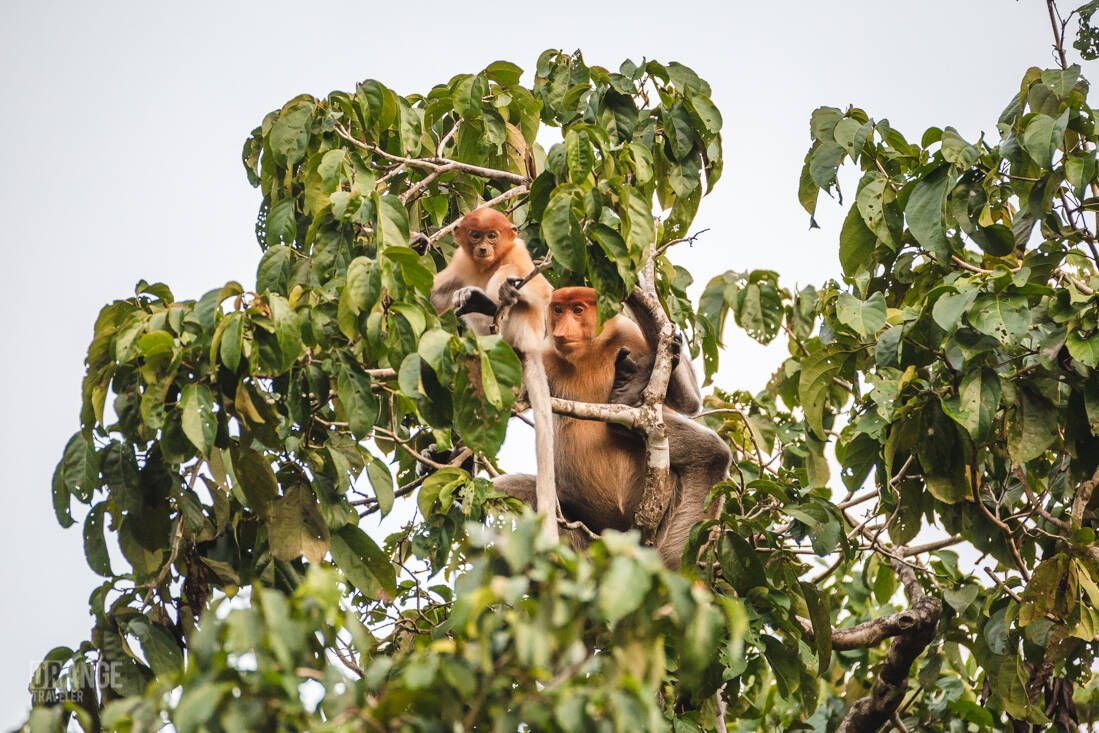
The demonstrative sexuality of proboscis monkeys only seems straightforward at first glance. Displays of “masculinity,” explicit poses, loud mating calls — they bray like donkeys, whistle like birds, grunt like pigs — all of it is a perfectly assembled evolutionary system of social signalling, an indicator of health. A bright red penis in green foliage works on females like a signal beacon — and apparently on photographers too — and on rivals like a threatening symbol of superiority.
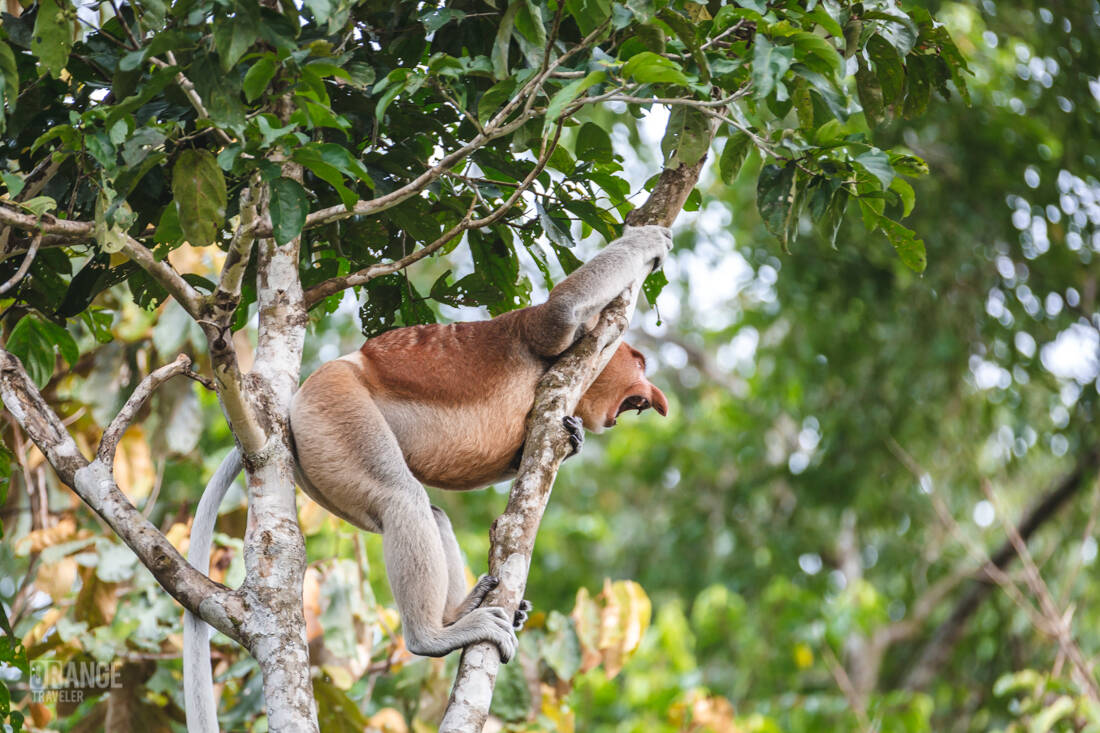
The dominant male is ready to mate and constantly demonstrates his capabilities within the polygamous troop. In his community, he alone monopolises all sexual relations, while the females, having chosen the biggest nose in the neighbourhood, initiate intimacy themselves.
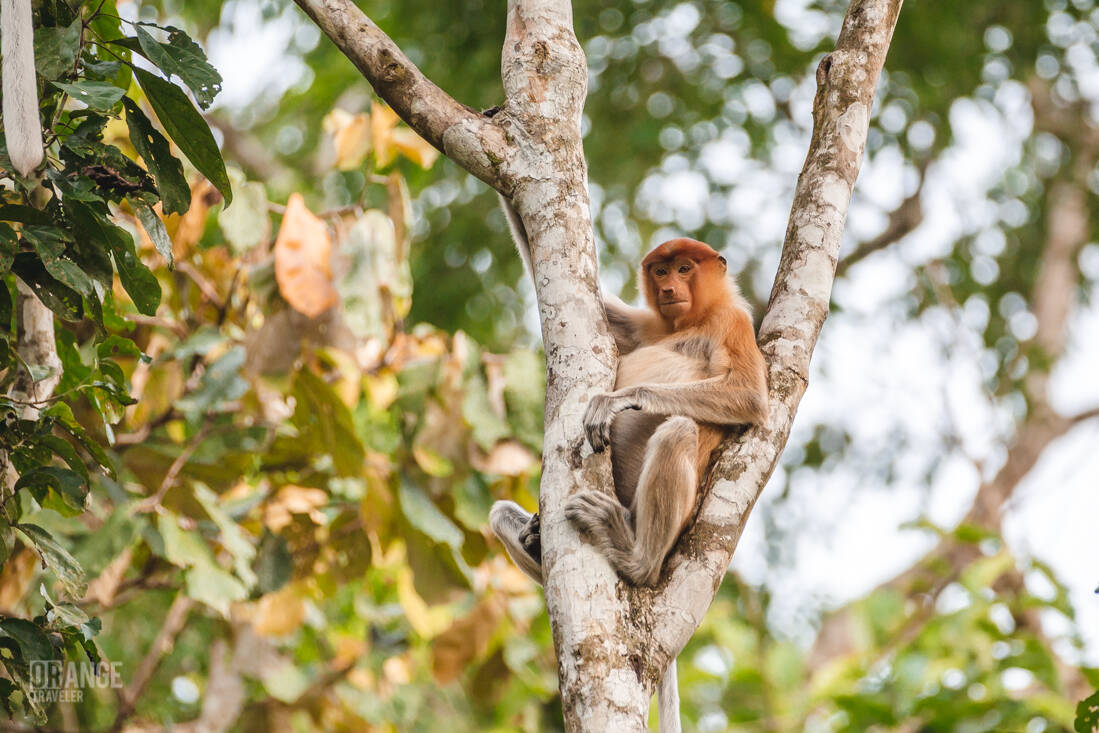
Over the days we spent on the river, we would observe various groups of proboscis monkeys more than once — including bachelor groups, where males who had lost to the dominant one on every possible front spent their time together. According to scientists, the groups are not particularly territorial; they travel less than a kilometre a day. They like to eat before bed — right before sunset, between 3 and 5 p.m., just before settling down for the night. That makes them easy to spot, and my focus shifted to the other members of the Kinabatangan River Big Five.
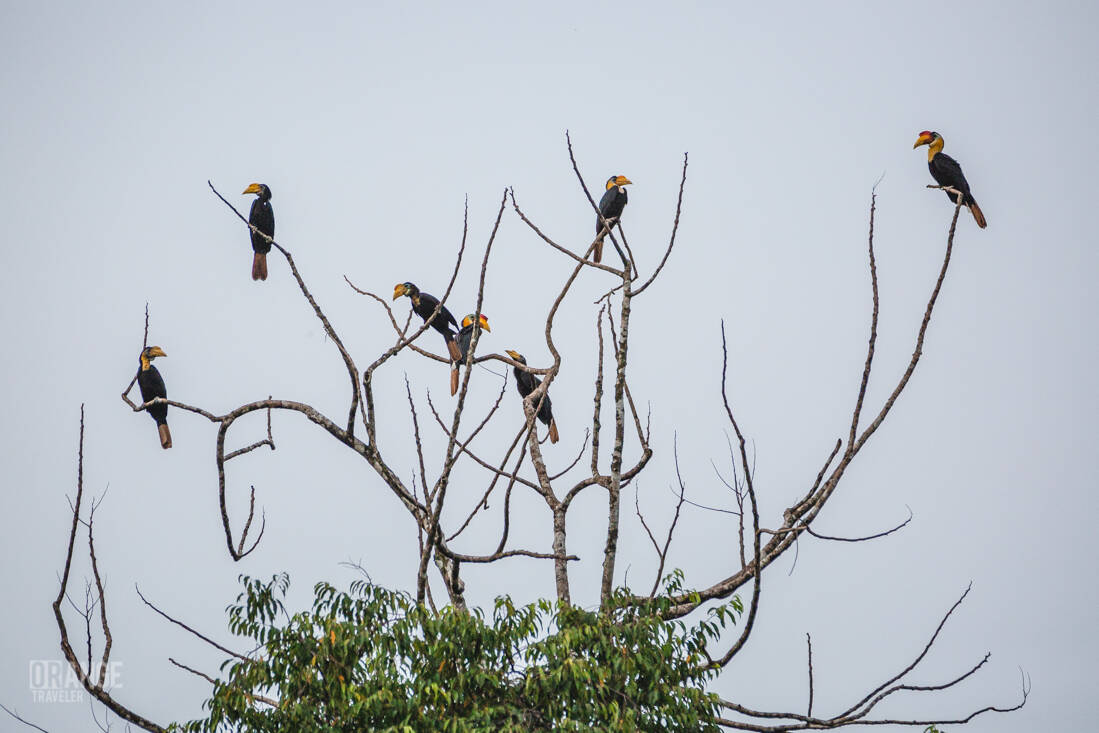
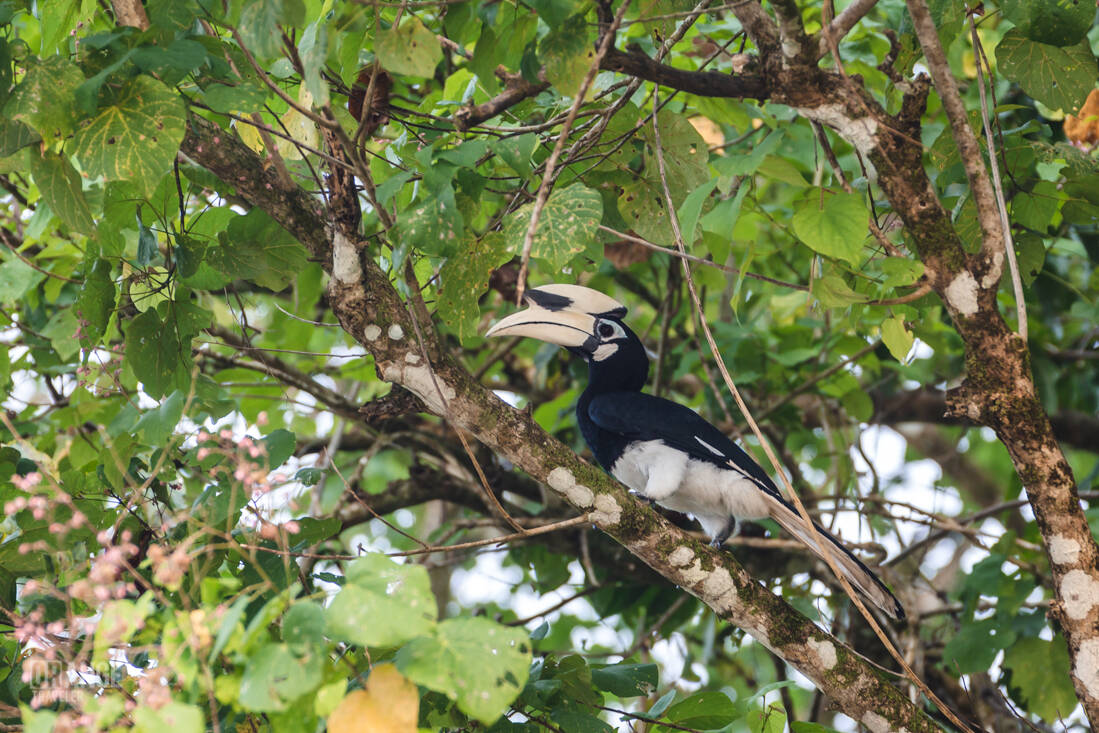
The next morning on the Kinabatangan brought a rich photographic catch. We had barely pulled away from the lodge pier when Berry spotted that rare hornbill couple at the tops of the trees. On bare branches, a pair of large birds cooed, each with a curved beak crowned by an orange, upward-curving horn-like casque — the very feature that gave the species its name.
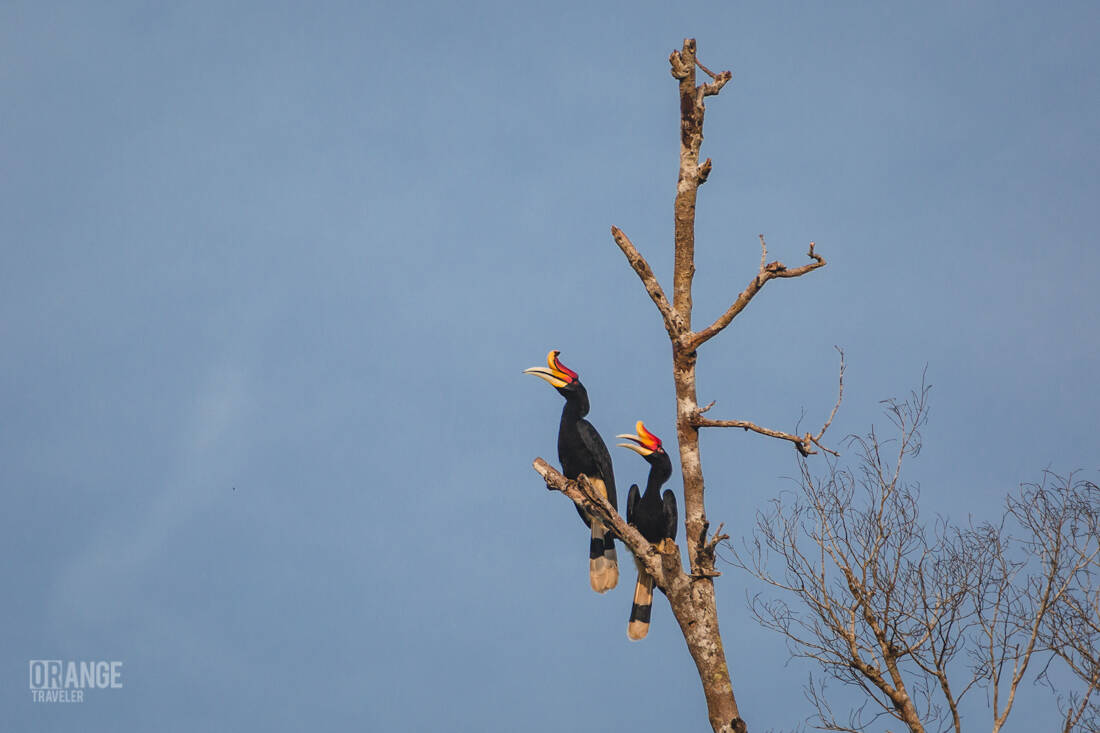
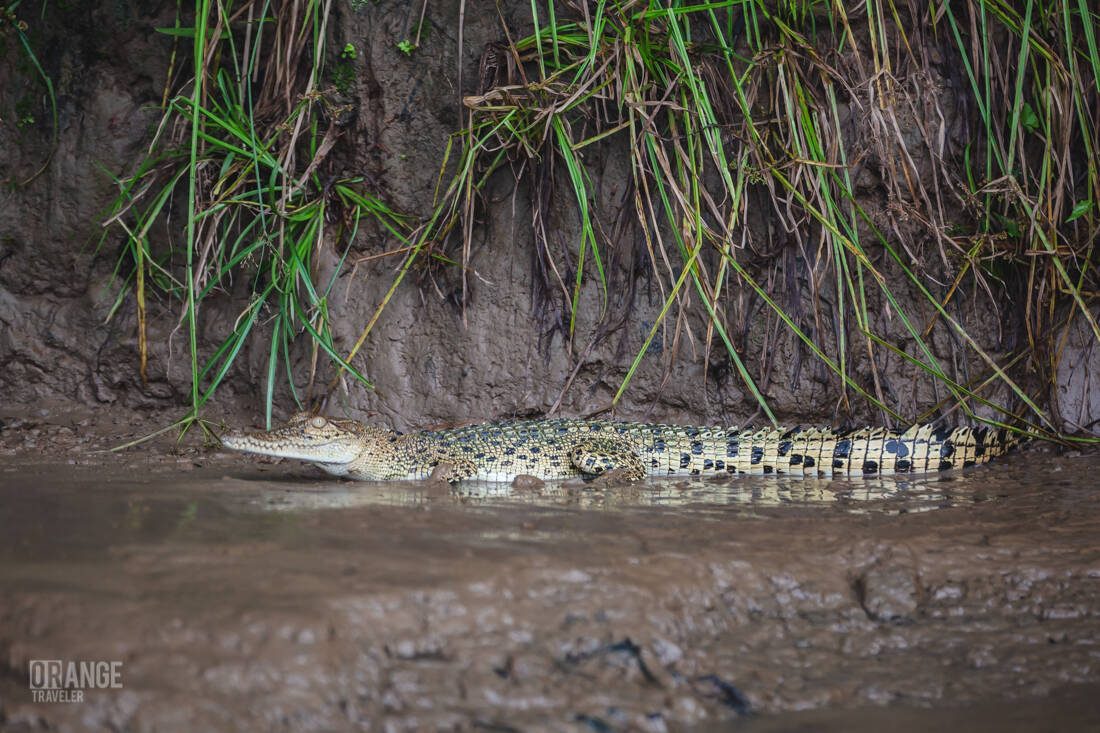
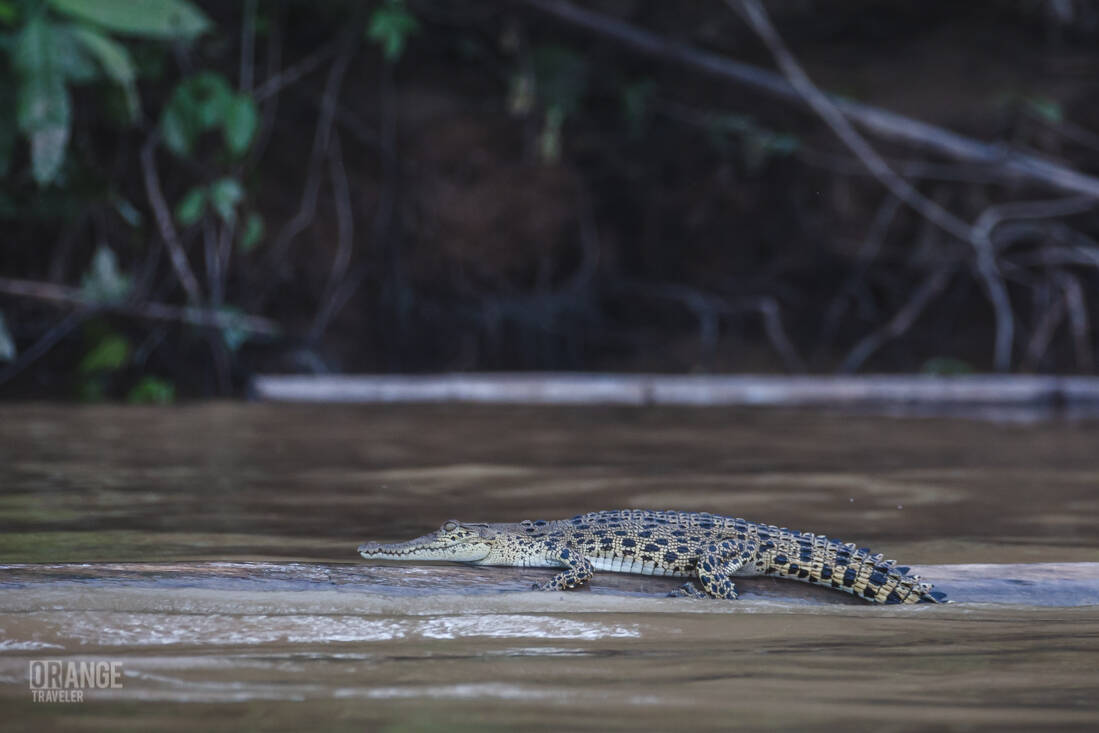
We listened to the story of how these birds love each other until the very last wingbeat and do not cheat, and how they fuss over choosing a nest no less than tenants hunting for a flat in Moscow: the male must show the female at least three tree hollows before she agrees to one. While we stood there with our heads tilted back, watching the hornbills, a crocodile surfaced in the water literally two metres from our boat. It could not, by any stretch, be classified as a romantic species; one cold glance from it is enough to cause alarm.
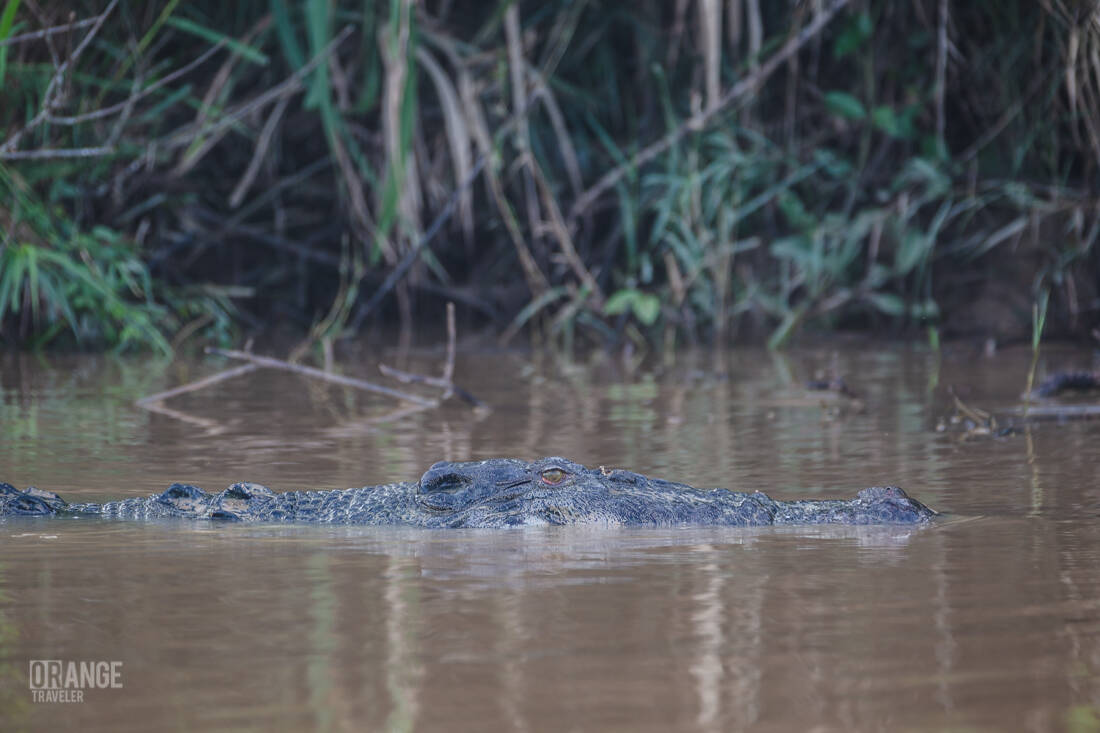
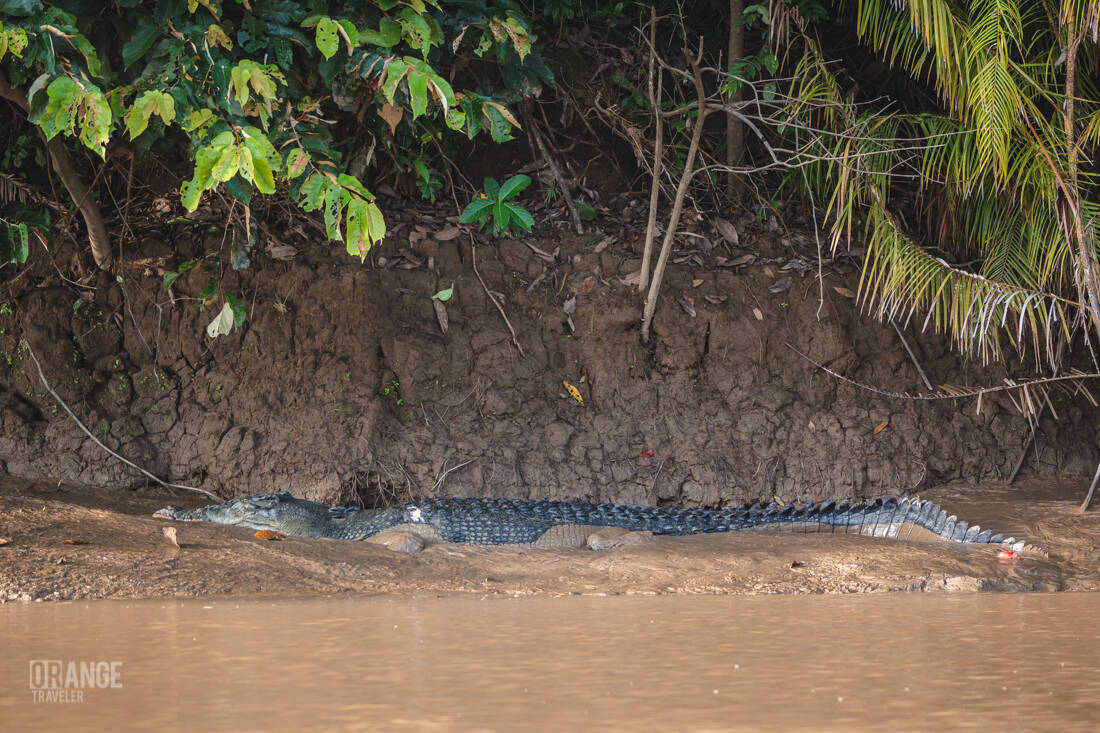
The number of crocodiles of all sizes I saw over a couple of days exceeded all my expectations — it was almost strange that on the first day the crocodile column still had a dash in it. Tiny crocodiles, looking like broken branches, dozed on the clay bank. Every now and then, ridges rose from the brown water. Around here, people like to say that crocodiles supposedly do not attack locals, but that is all nonsense — reports of various incidents regularly appear in the news. So yes, crocodiles are part of the Kinabatangan River safari. No, they are not decorative.
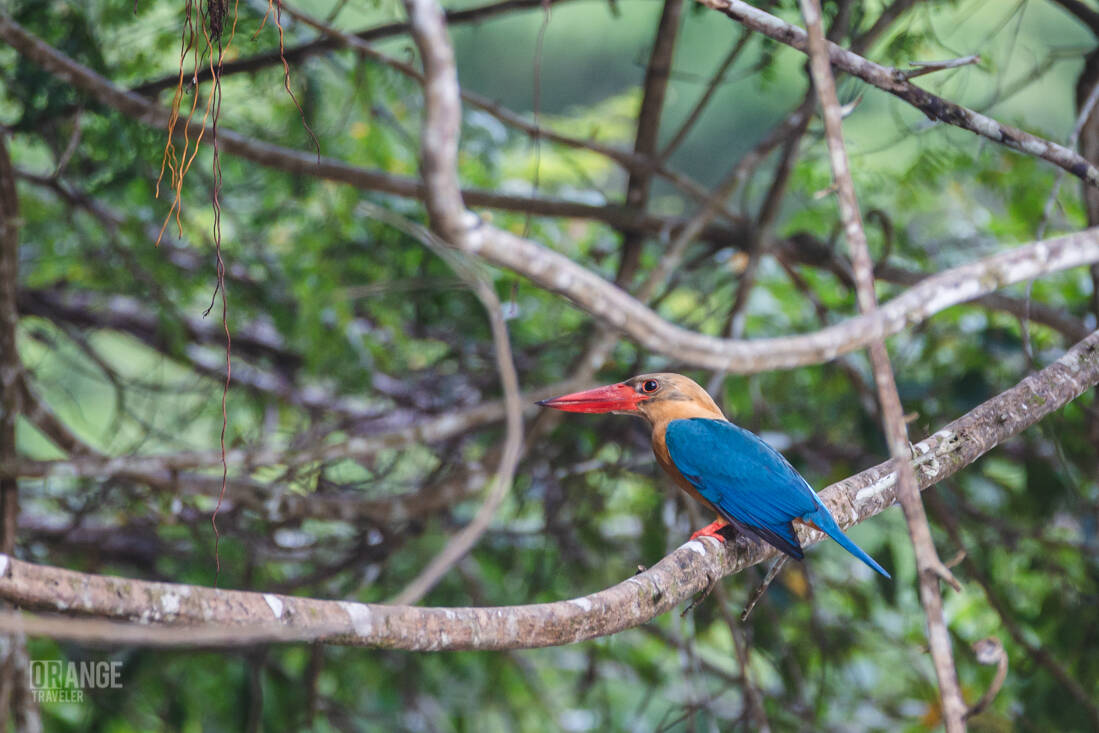
While we were hunting for hornbills, we came across a bright kingfisher several times. A strange name for a bird in the tropics, where winter never comes. I liked “kingfisher” better. And I would be lucky enough to see one in a lethargic state. “Tonight we’re going into the jungle. We can’t just keep going back and forth along the river,” Berry announced when we returned to the lodge after the evening safari. “And who can we see at night?” I asked. “Lots of things. Tree frogs, birds, insects, lorises.”
“Who is a loris?”
“A cute big-eyed little animal, looks like a lemur, but it’s hard to see one. Very secretive.”
The night forest was humid, but we had to put up with discomfort: arms covered by sleeves down to the wrists, trouser legs tucked into socks inside rubber boots — just in case some leech decided to attach itself. “Ha, and there he is, look,” Berry whistled in delight and aimed his torch beam at a tree, where a brown primate was staring at us — the very loris. We had barely entered the jungle behind the lodge, and there he was.
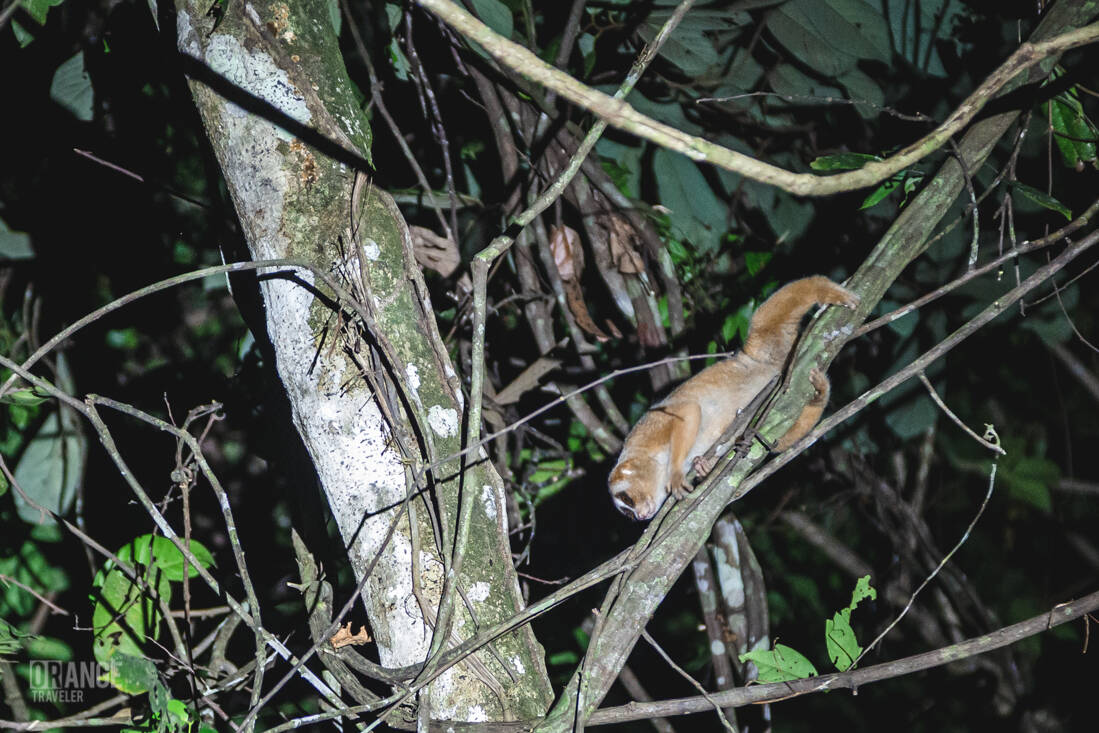
He did not appreciate the bright light and decided to retreat, disappearing after barely half a minute. The night forest felt thrilling. Somewhere, something squelched, rang, tinkled, rustled, cracked. But I could not see a thing right in front of me until Berry pointed out yet another resident.
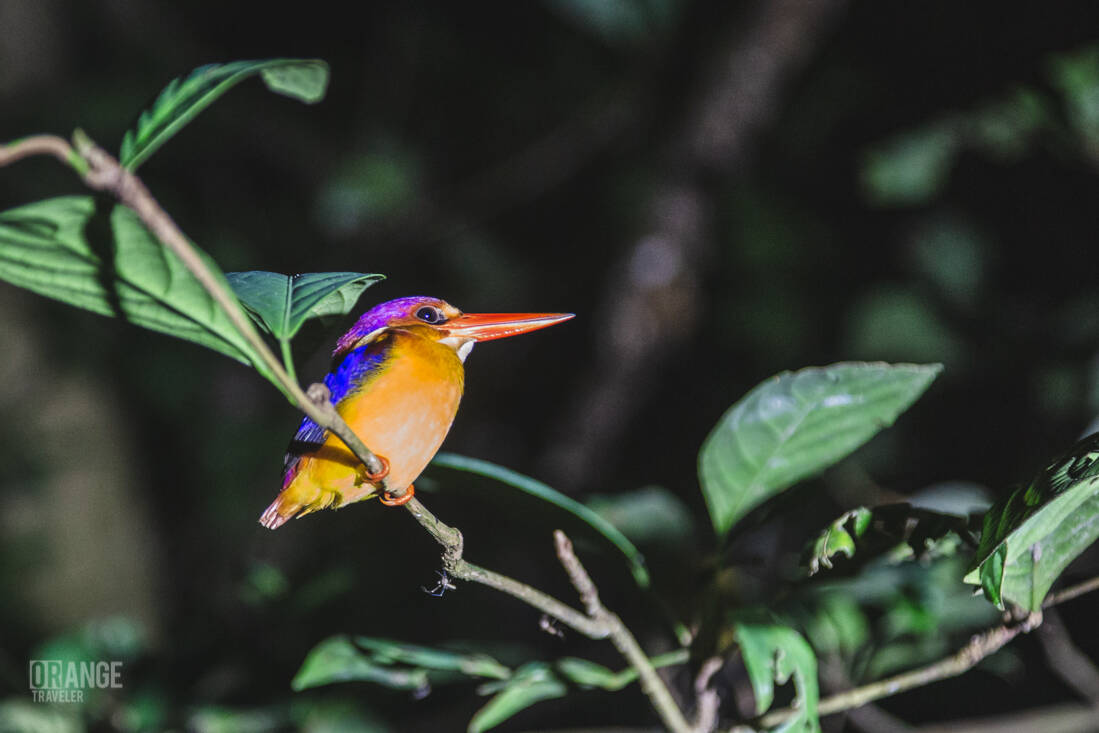
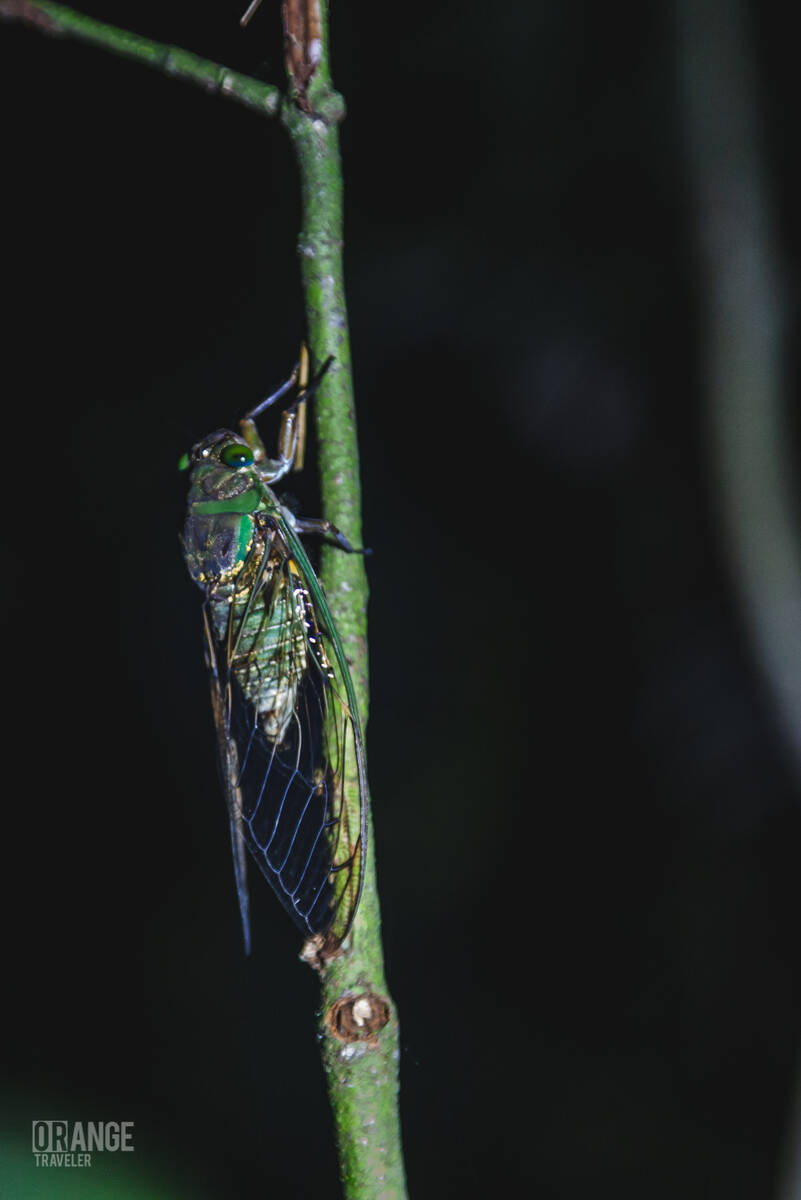
I found myself nose-to-branch with a bright kingfisher sleeping there. It did not so much as twitch a wing. “Sleeping soundly,” Berry joked. For the first time in my life, I was watching a bird sleep from a distance of twenty centimetres. We caught a couple of civets in the beam of light — long, slender animals that looked like a cross between a mongoose and a cat. The crawling-insect section was, frankly, so-so. “Ugh, how disgusting,” I muttered as my guide showed me scaly millipedes, some leeches, and mantises the size of that very loris.
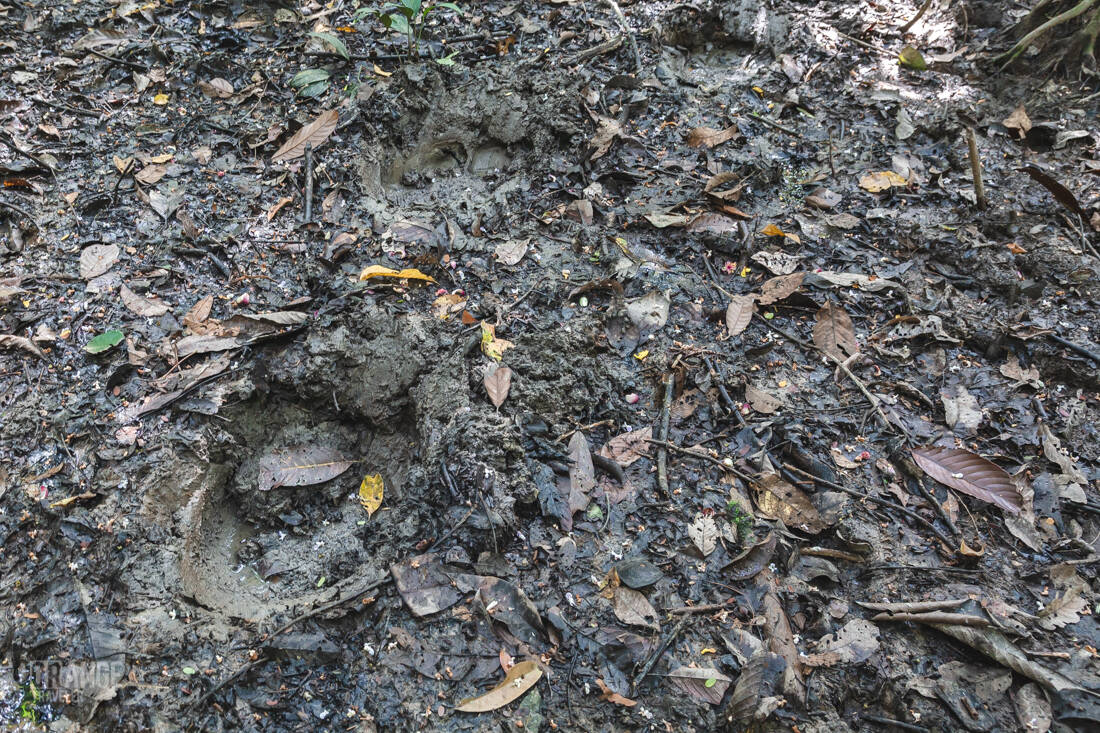
“Hmm, interesting. An elephant passed through here recently,” Berry said, shining his torch on tracks that had not yet dried in a muddy puddle, and on broken branches. “An elephant? But how can elephants walk around an island unnoticed?” I wondered. “Let’s count the track as half a point,” he joked.
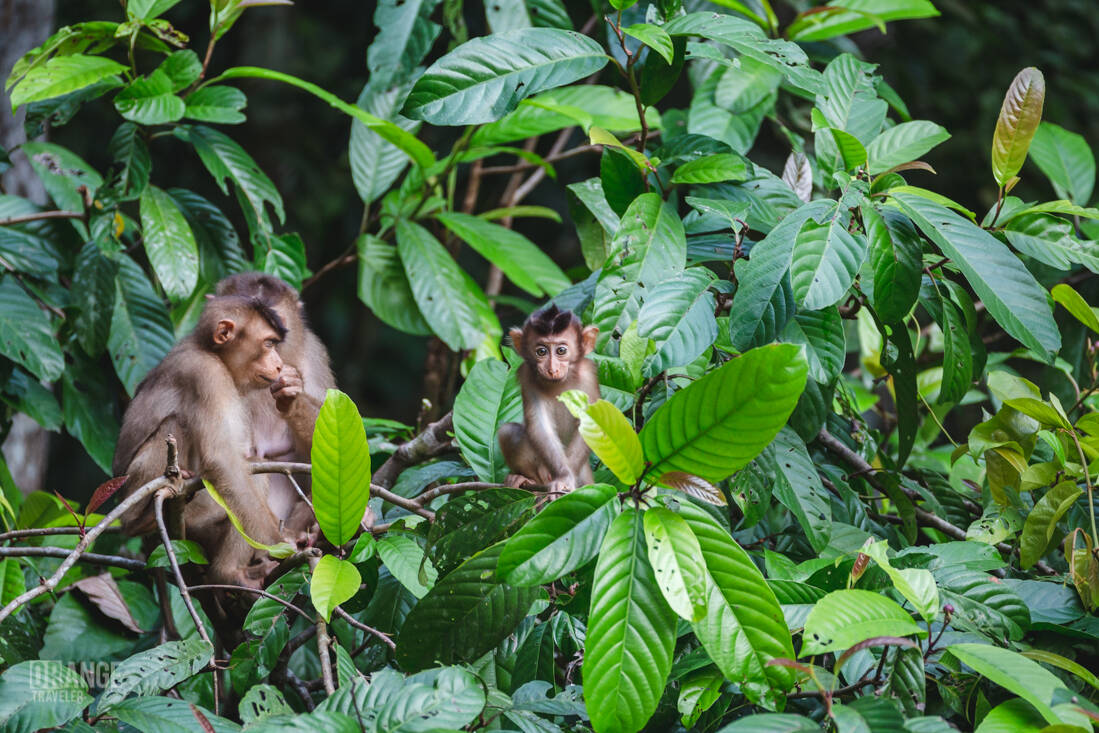
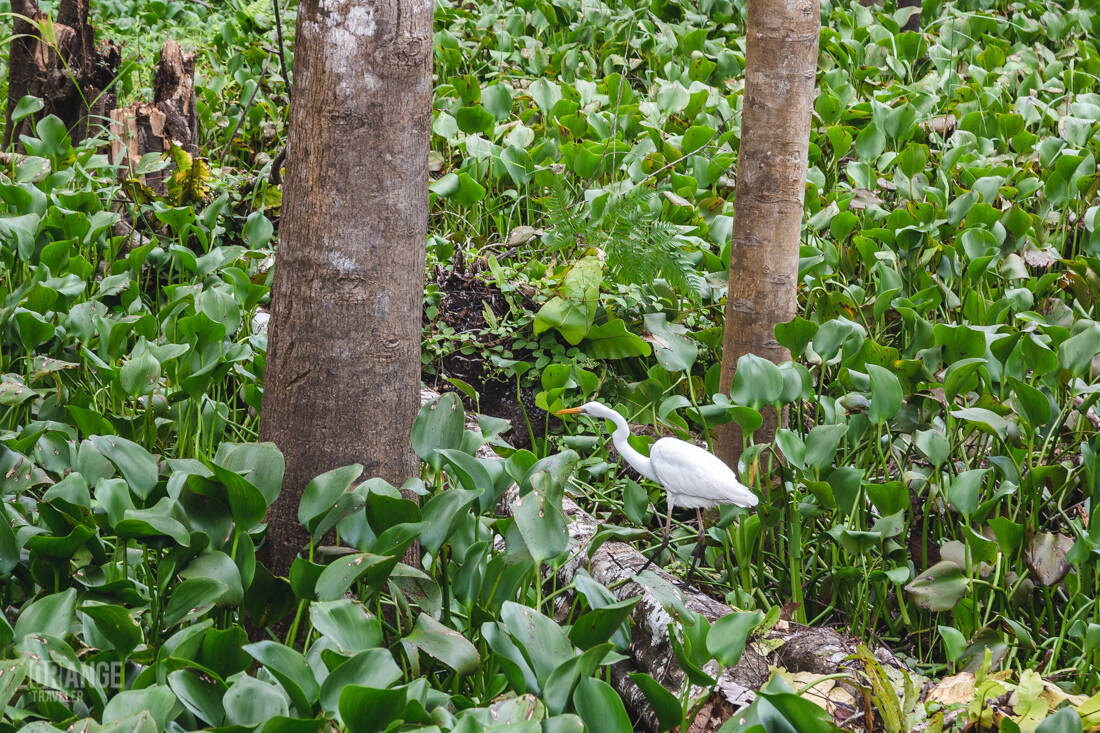
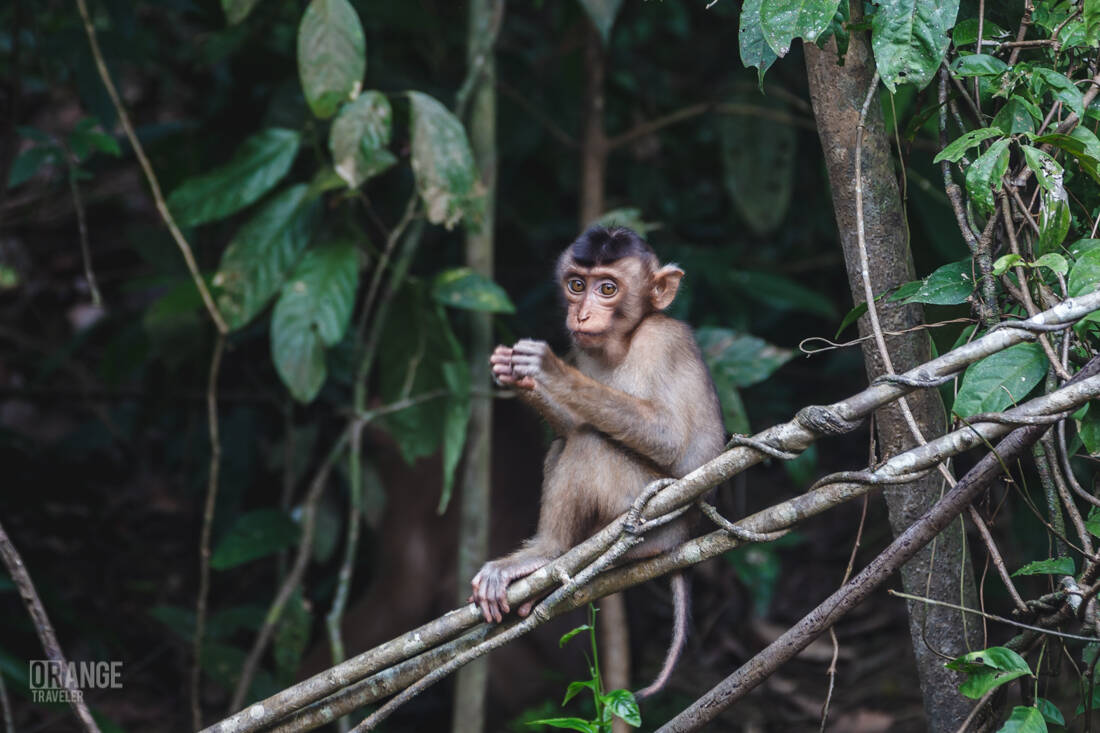
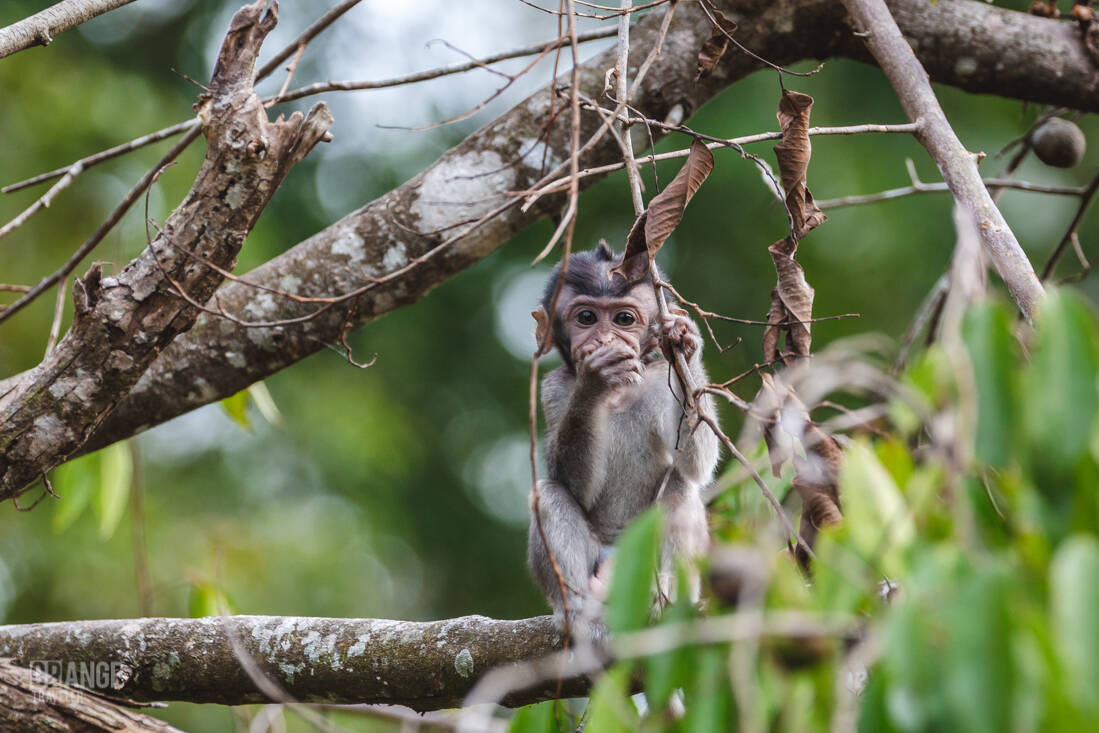
By the evening of the second day, after three Kinabatangan River cruises, there were neither orangutans nor elephants in my photographs. We stopped to watch a family of long-tailed macaques living in their own riverside community, not exactly harmoniously. A good screenwriter would have spotted several engaging scenes and dashed off a synopsis for a set of small dramas in one go: here the babies are ready to yank each other’s hair out; here the females are gossiping; here the teenagers have stolen something from their own; here a young female is pulling up the roots of water hyacinth.
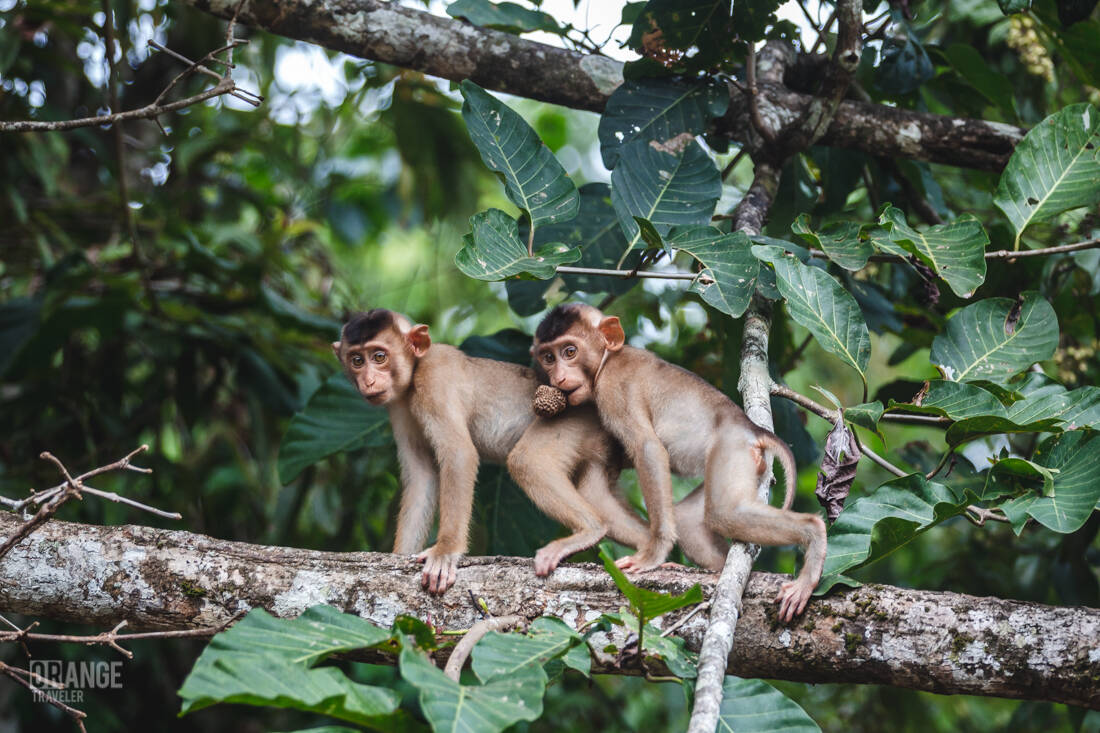
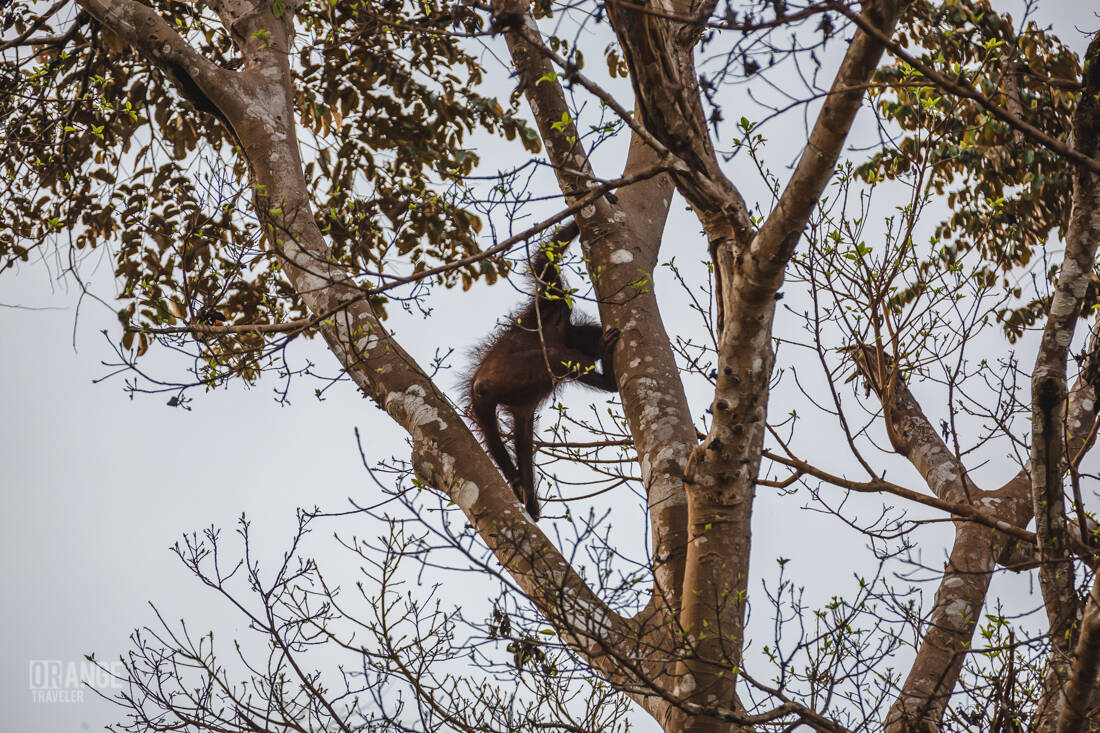
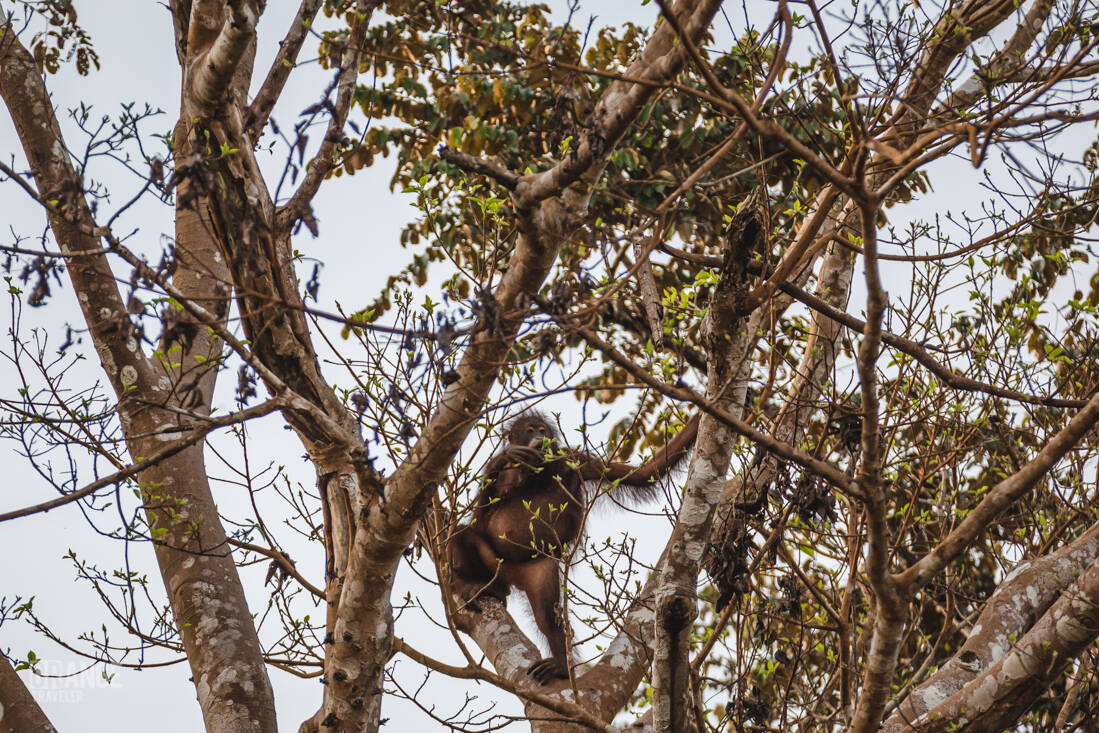
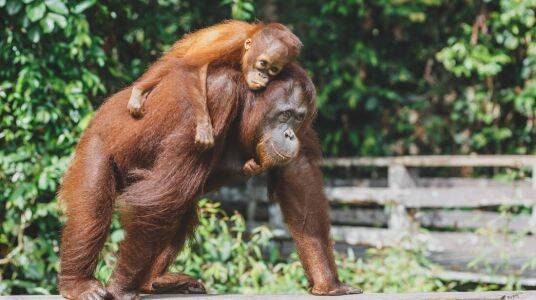
A rope had been stretched across one of the channels. Without waiting for my question, Berry said, “That’s for orangutans.” They can easily cross to the other bank on it; they cannot swim, after all. But there were no volunteers wishing to change banks, and no orangutans were to be seen at all. Once again, sitting in the boat, I peered into the riverside treetops, hoping to see a huge shaggy monster. Or, if you prefer, a sweet ginger ghost. And finally, it happened.
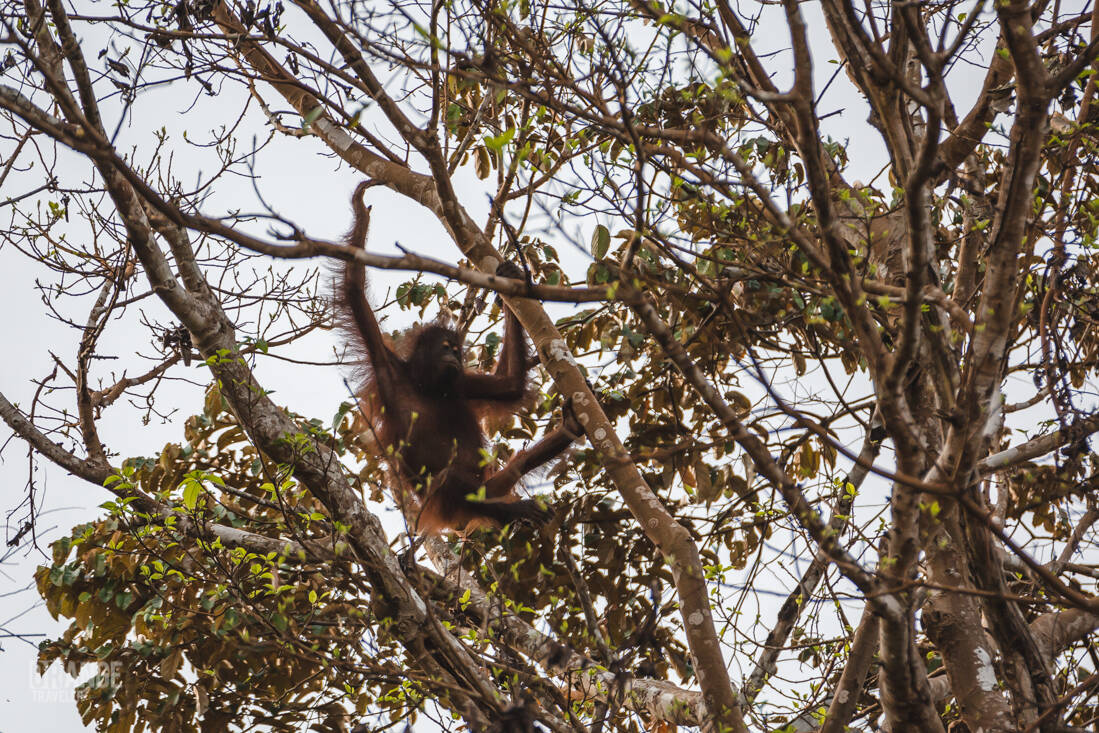
“Stop,” Berry said sharply to the boatman. He began peering intently; I noticed some movement too. “There’s the orangutan,” the guide said, handing me the binoculars — the moment every Kinabatangan River wildlife cruise secretly waits for, even if nobody dares to say it out loud. I had only just managed to make out a flash of a furry paw and take three shots of the silhouette before the primate vanished. “Well, technically — we saw it!” Berry said with satisfaction, and we continued down the river. “So what does that make it, 4.5 out of five?”
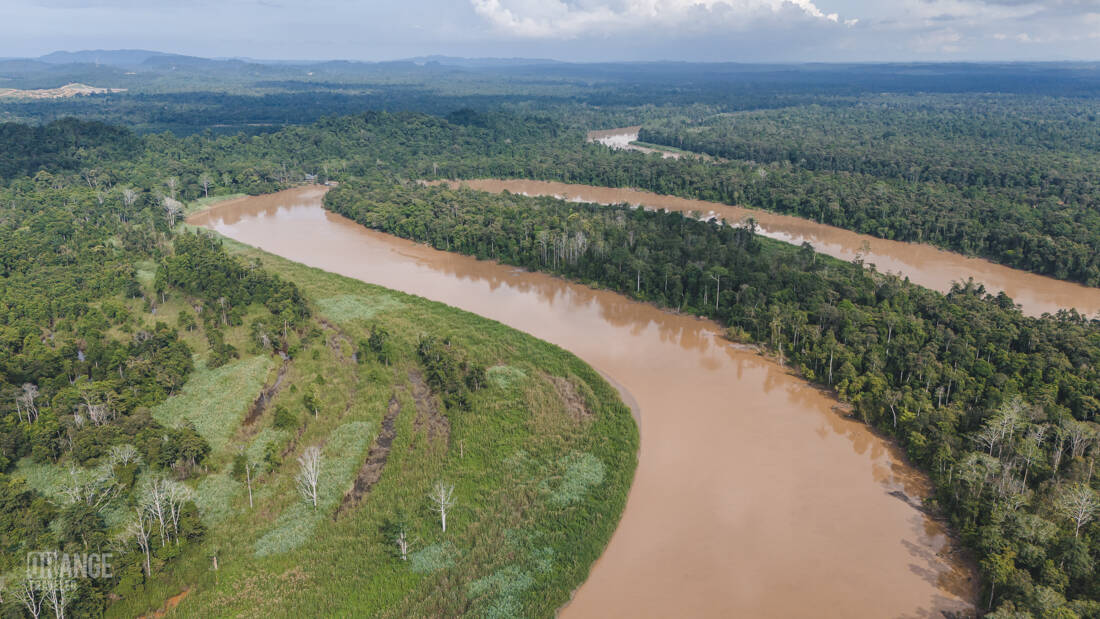
The best time to visit the Kinabatangan River in Sabah is the dry season — from March to October. When the rains arrive, in mid-November and December, the river level rises. The monkeys look for shelter deeper inside the island. During the monsoon season, from late November to February, rainfall increases, along with the risk of flooding. For wildlife photography and river cruises, the dry months usually give you better light, easier boat conditions and more predictable sightings — although, naturally, the animals have not signed any contract.
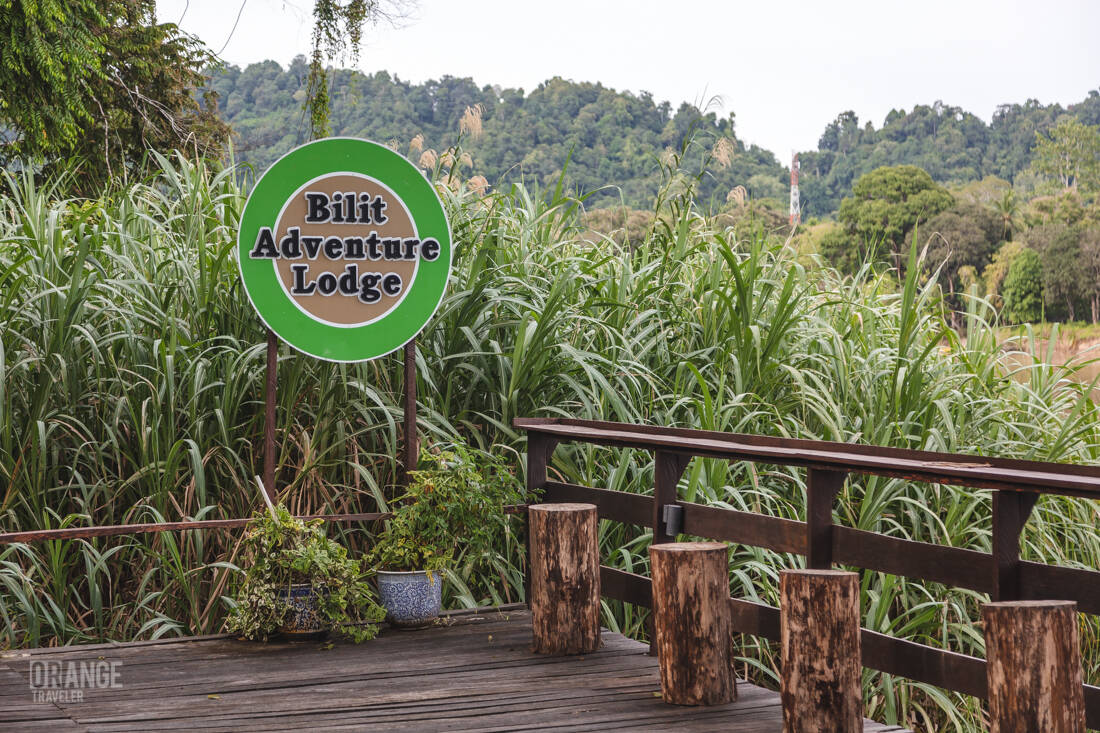
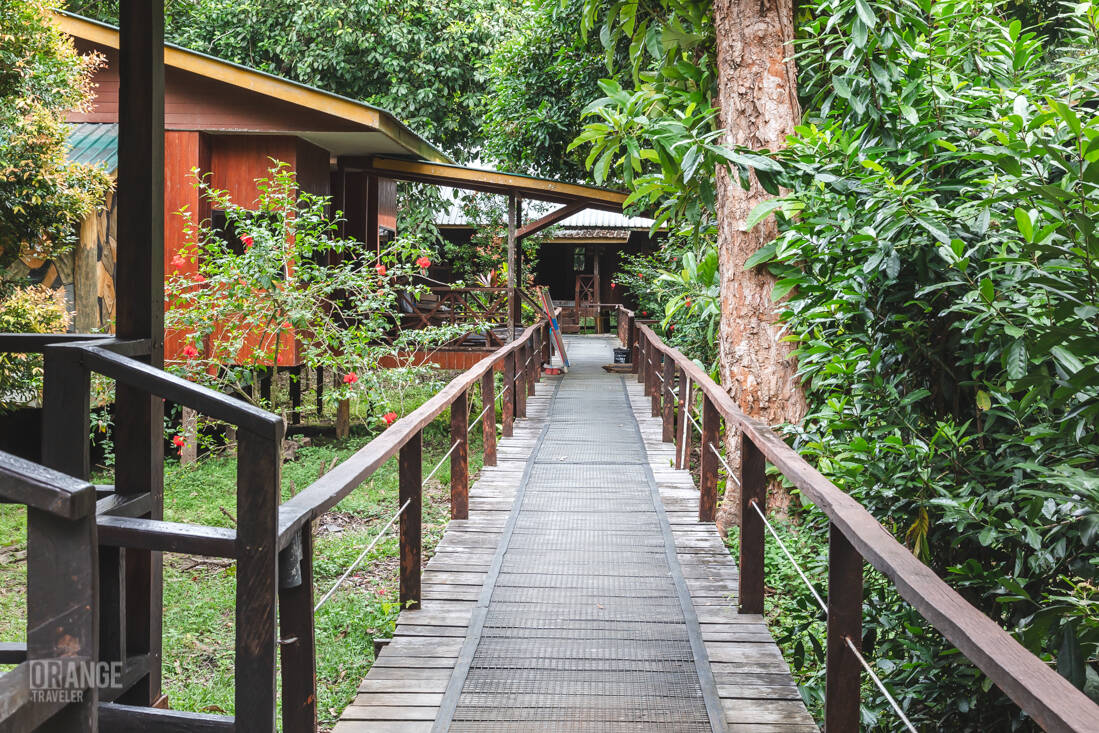
There are several nature lodges along the river, each organising river cruises twice a day. I stayed at the modest Bilit Adventure Lodge. Most travellers choose between Bilit and Sukau, the two main bases for Kinabatangan River safaris. Sukau is better known and has more lodge options. Bilit feels quieter and works well if you want simple accommodation, boat safaris and direct access to the river without much ceremony.
The starting point for visiting the Kinabatangan River is Sandakan, a city on the east coast of Sabah. There are several direct flights a day from Kuala Lumpur and Kota Kinabalu. You can reach the Kinabatangan by car or bus to Bilit or Sukau in 2.5 hours. These are small villages where most accommodation options are located. The route from Sandakan to Kinabatangan is the easiest way to add a Borneo wildlife safari to a Sabah itinerary, especially if you are also visiting Sepilok Orangutan Rehabilitation Centre or Labuk Bay Proboscis Monkey Sanctuary.
Is Kinabatangan River worth visiting?
Yes, especially if you want to see wildlife in Sabah without long jungle trekking. The main experience is a river safari by boat, with chances to see proboscis monkeys, hornbills, crocodiles, orangutans and Borneo pygmy elephants.
Can you see orangutans on the Kinabatangan River?
Yes, but sightings are not guaranteed. Orangutans sometimes appear near the river, while during wetter periods they may move deeper into the forest.
Can you see pygmy elephants on the Kinabatangan River?
Yes, but they are the most unpredictable of the local Big Five. You may see tracks, broken branches or, with luck, a herd near the river.
What animals can you see on the Kinabatangan River?
Common sightings include proboscis monkeys, macaques, hornbills, kingfishers, crocodiles, civets, lorises and many birds. Orangutans and Borneo pygmy elephants are possible but less predictable.
How many river cruises should you do?
At least three: one evening cruise, one morning cruise and another evening cruise. Wildlife changes with light, temperature, rain and luck — mostly luck, naturally.
More to read about Borneo:
Bantang Ai National Park
Selingan Turtle Island
Labuk Bay: The Proboscis Monkey Forest
Sepilok Orangutan Rehabilitation Centre


 Travel reportage
Leave a comment