“Take only what you might need on Turtle Island,” my guide Berry said kindly. His name was Berry, and anticipating my question, he grinned. “Yes, that’s my real name and… don’t ask.” I was damn lucky to have Berry. He was ready to answer all my endless questions; he seemed to know everything — about Borneo, about every kind of creature living across the Malaysian state of Sabah, about sea turtles and their fragile world.
“We’ll stop and buy whatever you need at the shop, if you want,” Berry offered.
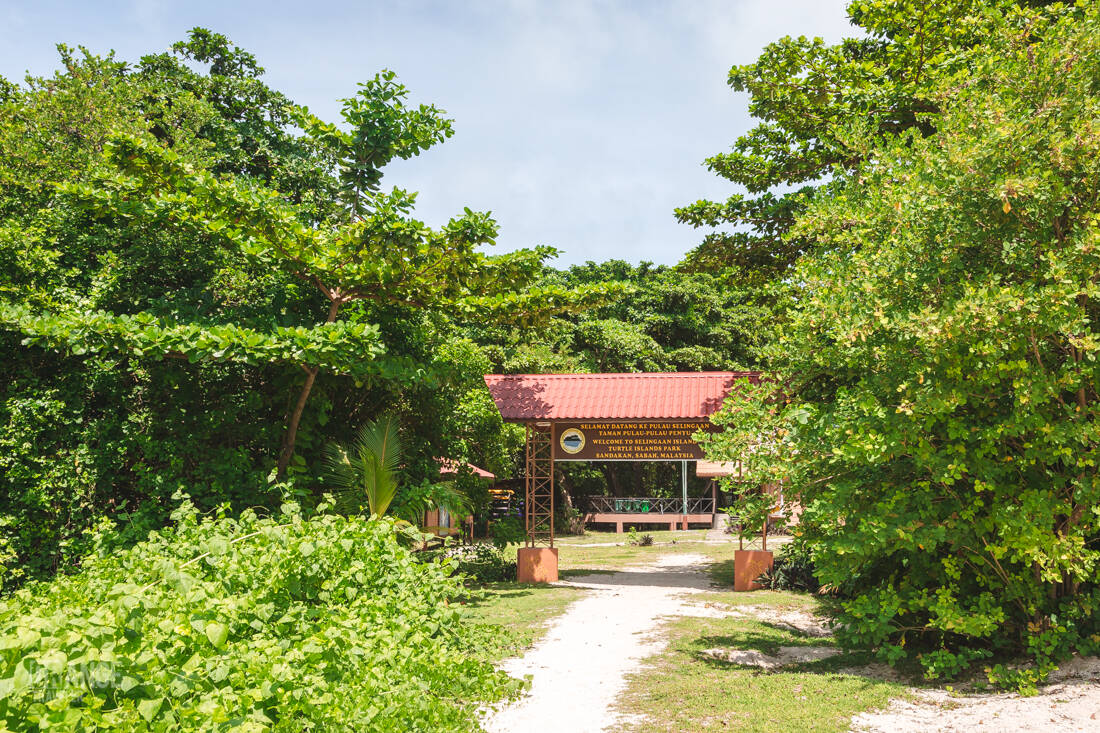
“What do I need?” I asked.
Well, let’s say I’ll take a swimsuit, a Panama hat, sunscreen, and chargers for my gadgets.
“Maybe beer? Snacks? Chocolate bars?” Berry clarified.
Hm, I had not the slightest idea whether I would want beer on Turtle Island, considering I don’t drink it at all. And beer, to get ahead of myself, I did end up wanting. Our small group included a couple of Irish people, who were sipping it so deliciously from a cold can after lunch that I even regretted not buying any. But that was a fleeting regret.
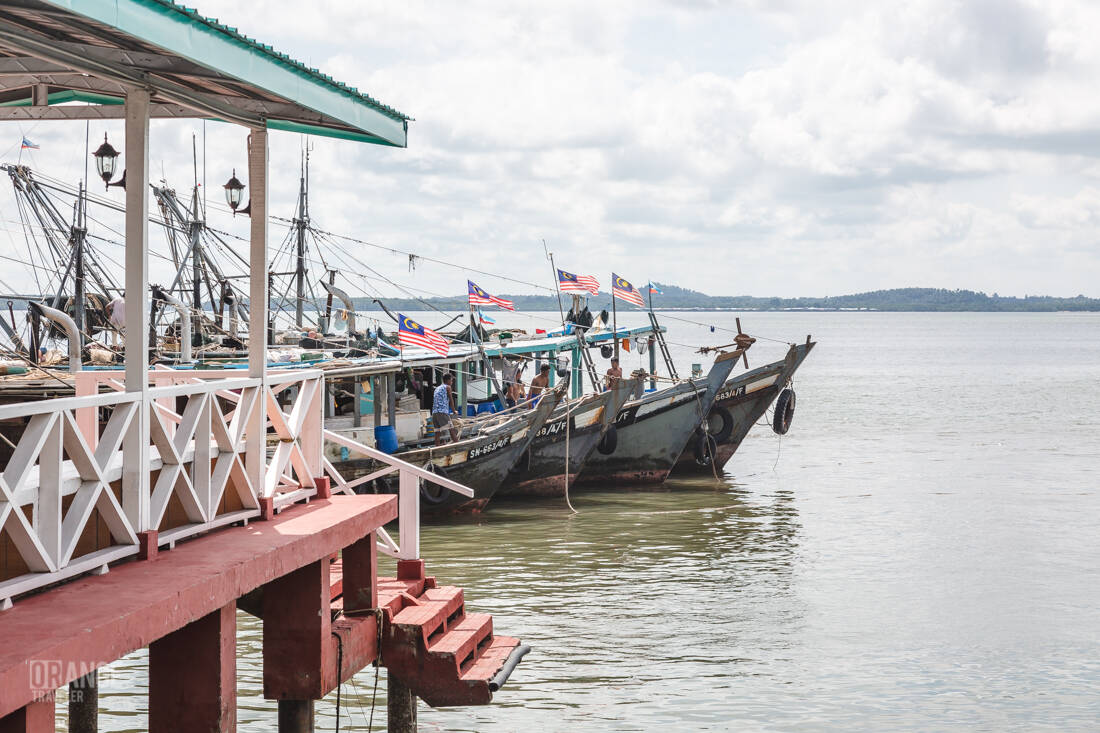
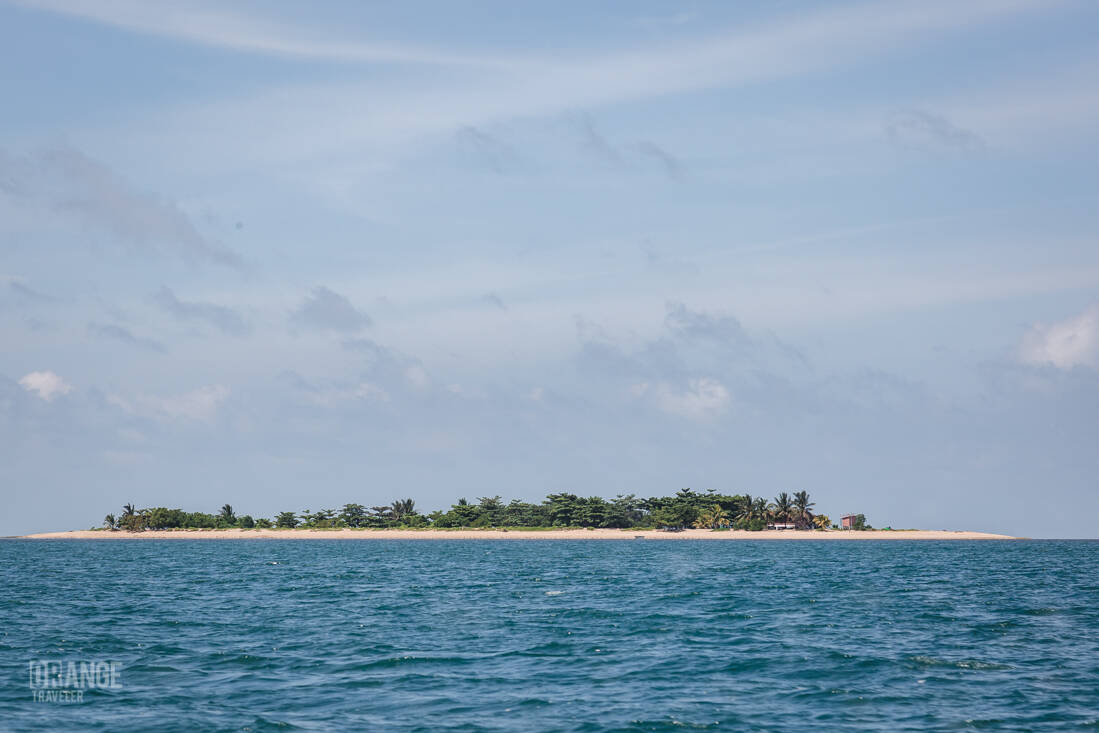
The day in Sandakan, on the east coast of Sabah in Malaysian Borneo, turned out glorious. Early in the morning, we boarded a boat: me, Berry, the Irish, and a tourist from San Sebastián, and set off for Selingan Island, better known as Turtle Island Borneo, which lies roughly 40 kilometers north of the coast. Selingan Island is famous because every evening green sea turtles and hawksbill turtles come to its beaches to lay their eggs. On average, around 4,000 green sea turtles nest here every year. And a select number of guests are given the chance to observe the process. This is the main quintessence of a one-night tour to Turtle Island in Sabah, which, besides relaxing on the island, includes snorkeling on the reefs and sea kayaking.
It takes about an hour to reach Selingan — that is the official name of Turtle Island. Besides the main island, there are two smaller ones — Bakungan Kechil and Gulisan — which are part of Turtle Islands Park.
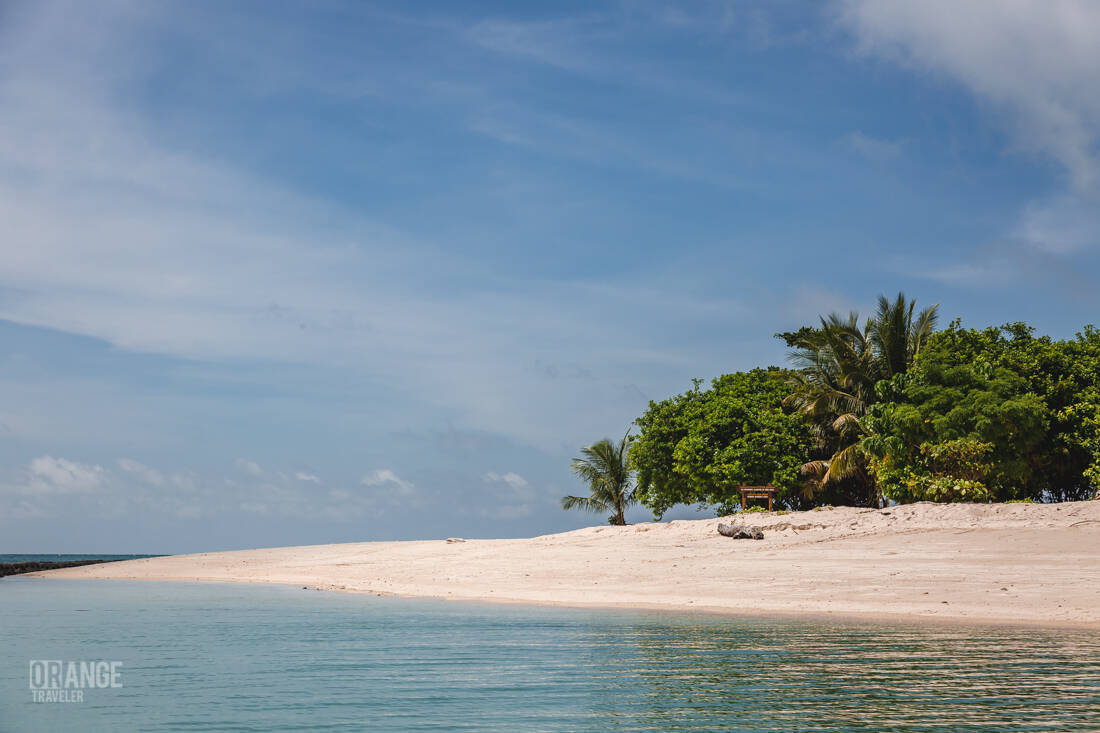
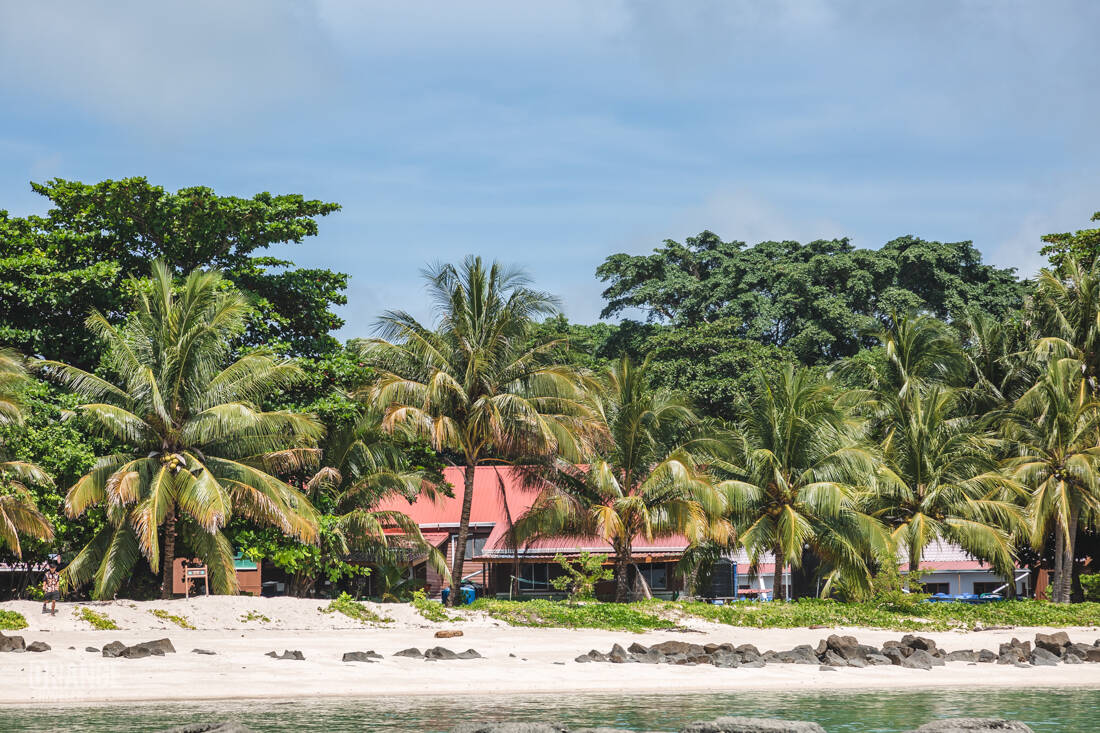
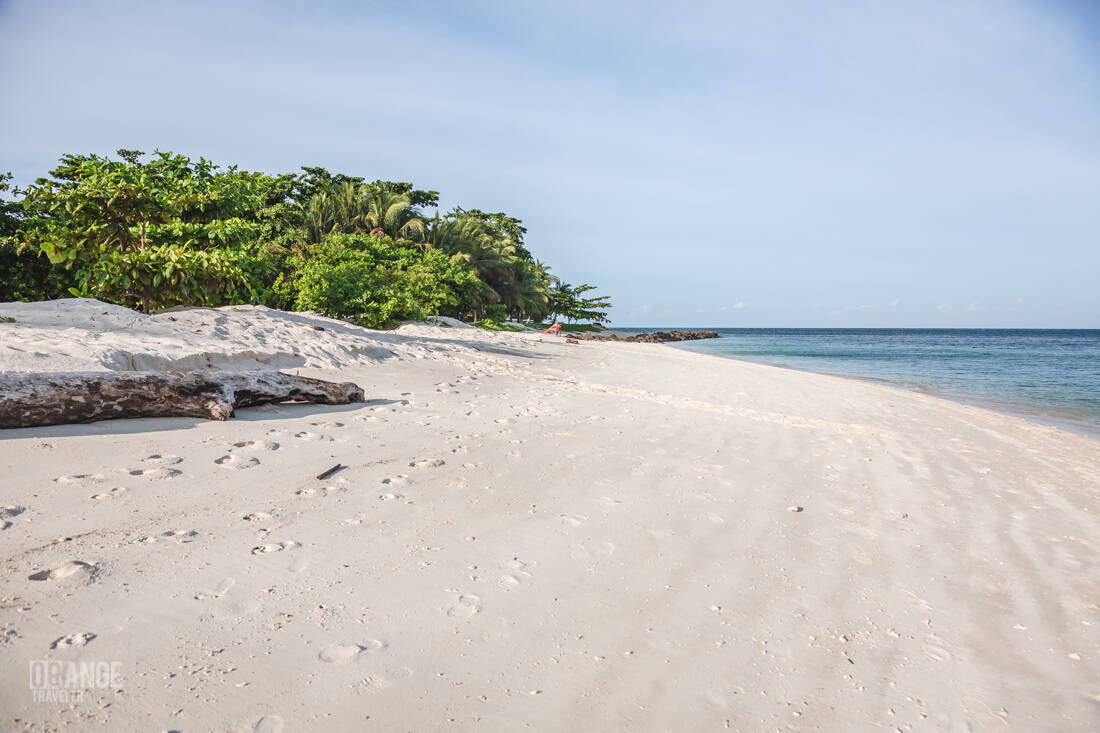
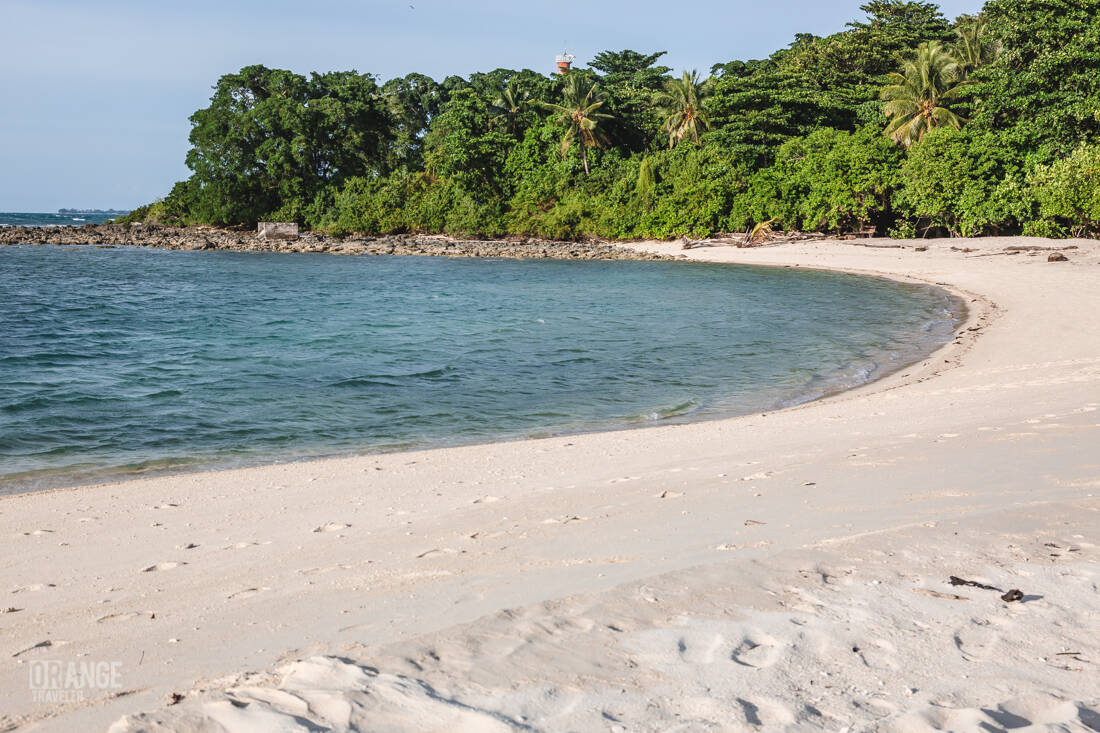
Soon we landed on the beach of a tiny scrap of land in the Sulu Sea, close to the border with the Philippines. Berry handed out keys to cozy rooms and gave a short briefing. Lunch at 12, then an afternoon nap or languor on the beach, dinner at 7 p.m. And the turtles come at night. Amazingly, there is no seasonality to this process: the ritual happens literally every night. At the peak of the turtle nesting season, which falls in October, the number of mothers reaches 50.
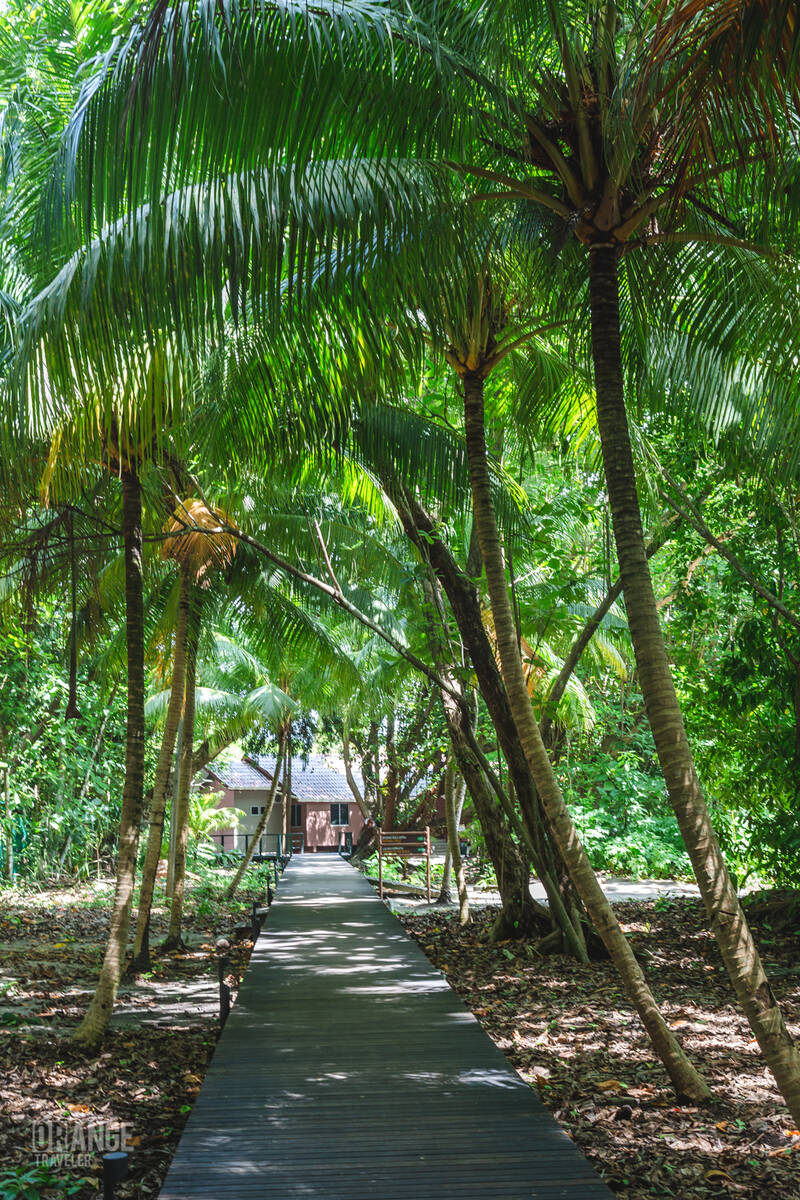
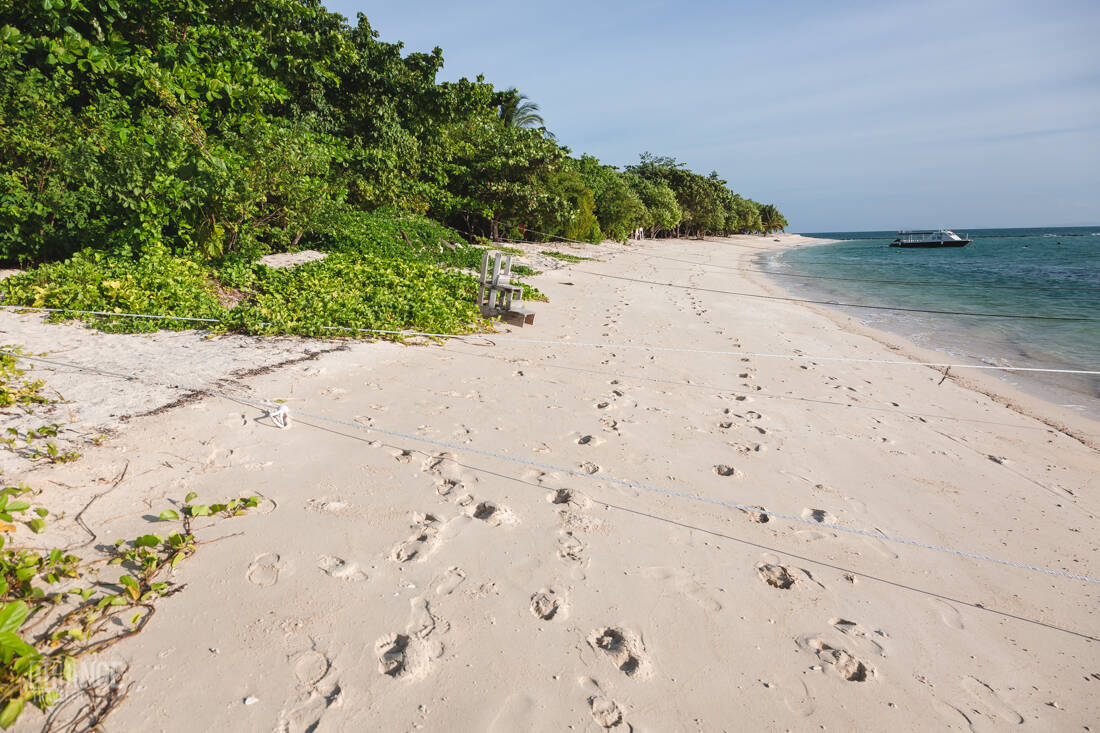
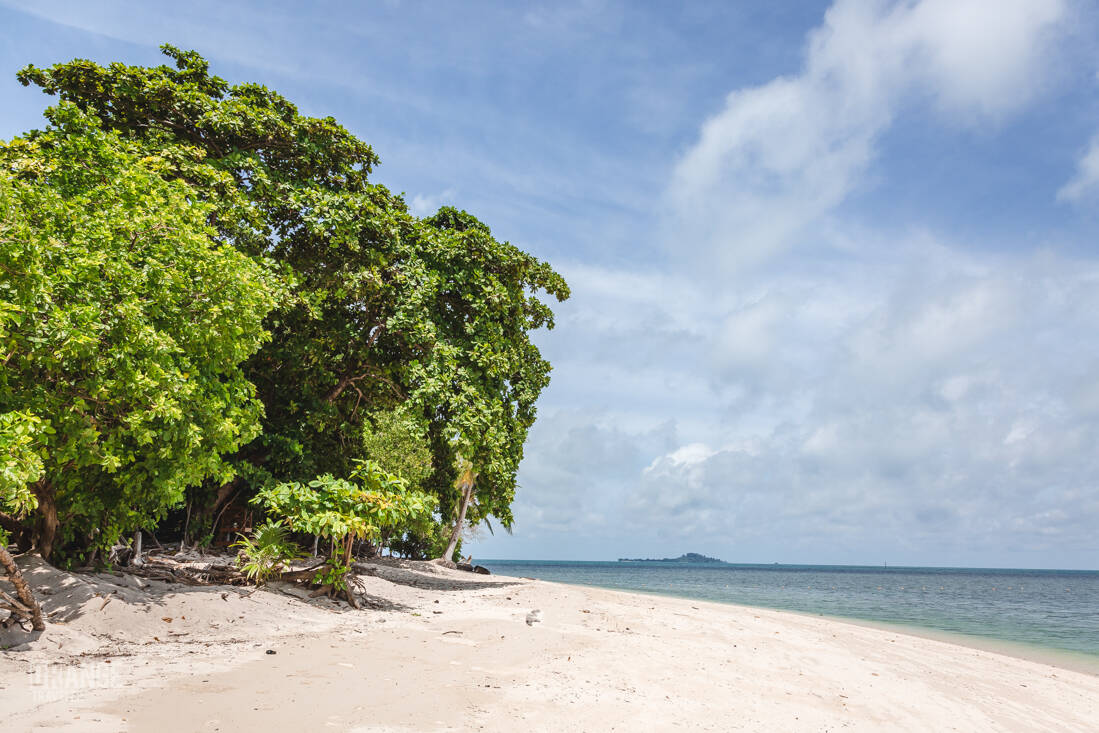
The circle never closed: on one side, the rocky shore did not allow me to complete the loop. But the languid heat strongly recommended postponing the walk, so I ran to the beach and plunged into the warm water. What bliss!
A little later, I staged a photo hunt for monitor lizards, which began with the first specimen I tripped over and almost sprawled into the bushes because of. The lizard did not bat an eyelid — or whatever it has instead — and judging by its gaze, it would not have minded catching me, though the prey was much too large for it.
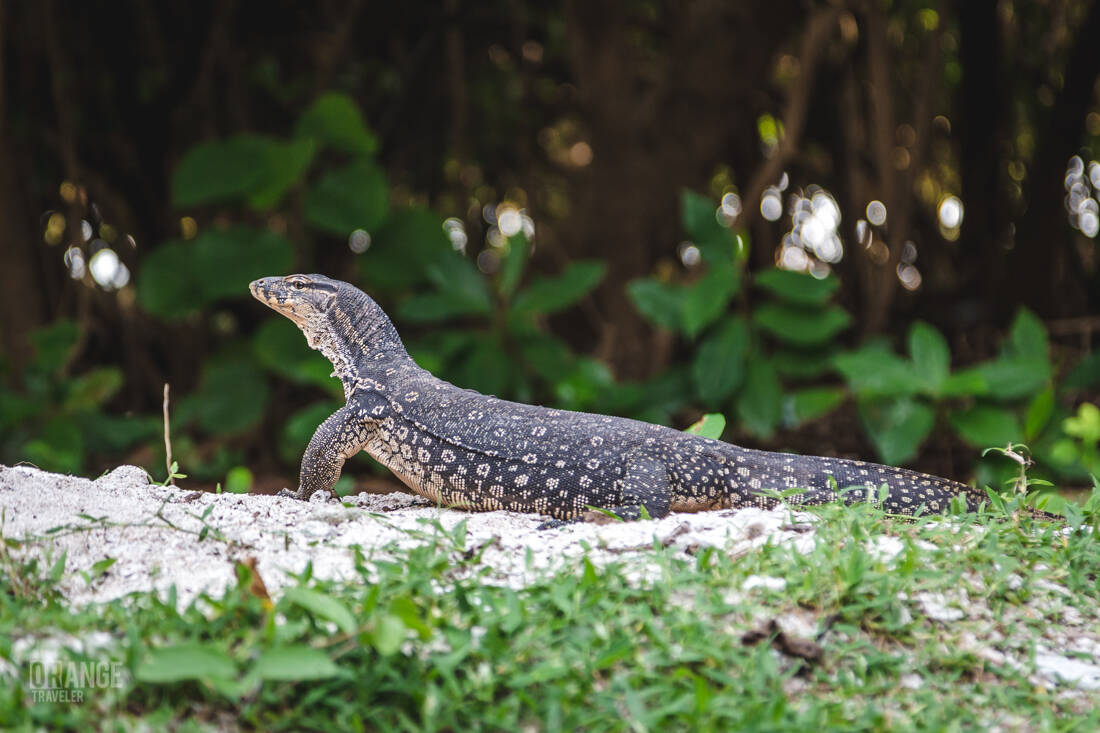
The monitor lizards inhabiting Selingan Island may look cute, but they are dangerous for the turtle legacy. They deftly devour reptile eggs, leaving them no chance of a future. That is why the rangers of Turtle Islands Park watch over each turtle clutch, carefully collect the soft eggs, and carry them to a nursery surrounded by a fence. The monitor lizards cannot get in there.
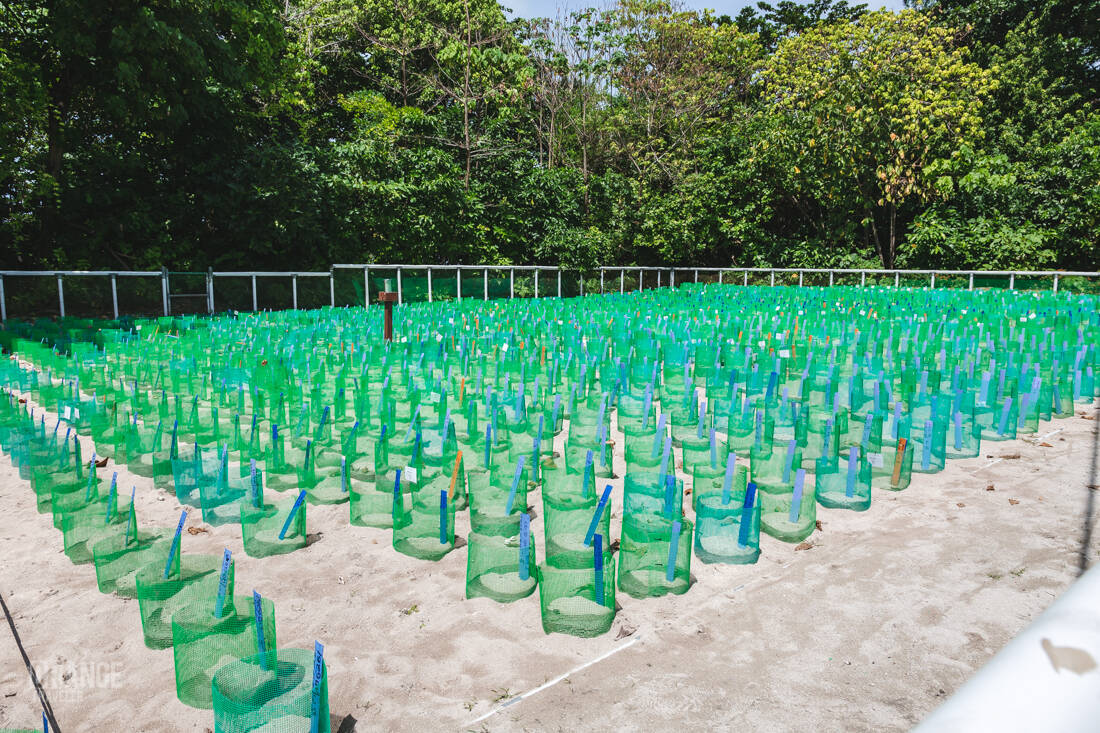
Above each clutch of eggs in this incubator stands a sign indicating when they were laid and in what quantity. The temperature of maturation affects the sex of the baby turtles: the warmer it is, the more females hatch. This is how the proportion is regulated — part of the incubator is in the shade, while the rest always remains under the open sun.
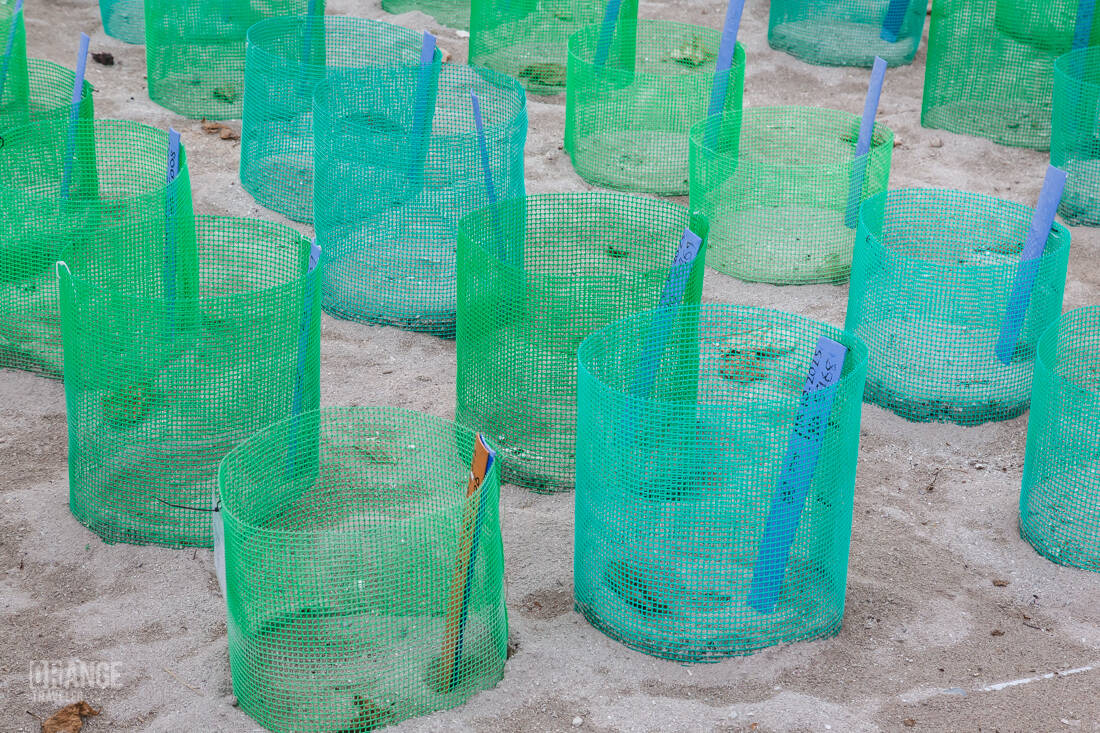
When the time comes for the baby turtles to be born — and about 60 days must pass — the rangers make sure that the newly hatched little ones can make their way unhindered into a new life full of dangers. At this stage, everything possible has been done for the reproduction of the turtles; everything else is beyond human control. Only about five out of a hundred survive — that is the official statistic. Other numbers appearing on the screen in the dining room told visitors how many sea turtles, on average, arrive on Turtle Island each night: yesterday, 13 females were greeted; the day before, a little more — 14.
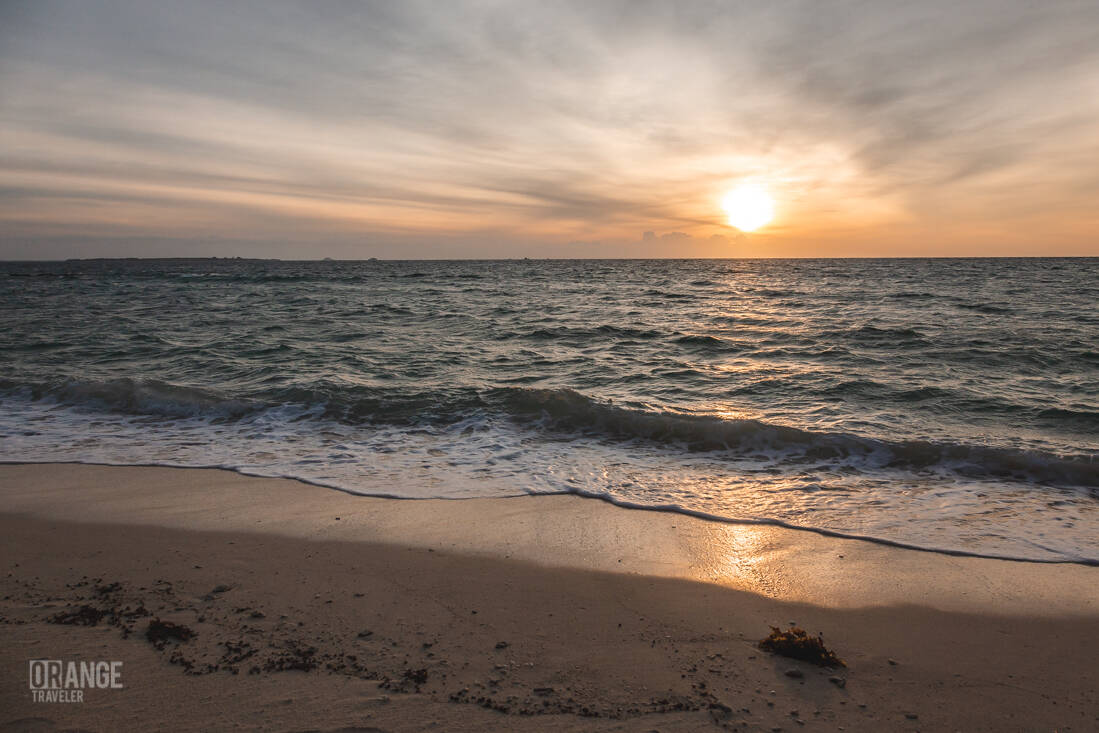
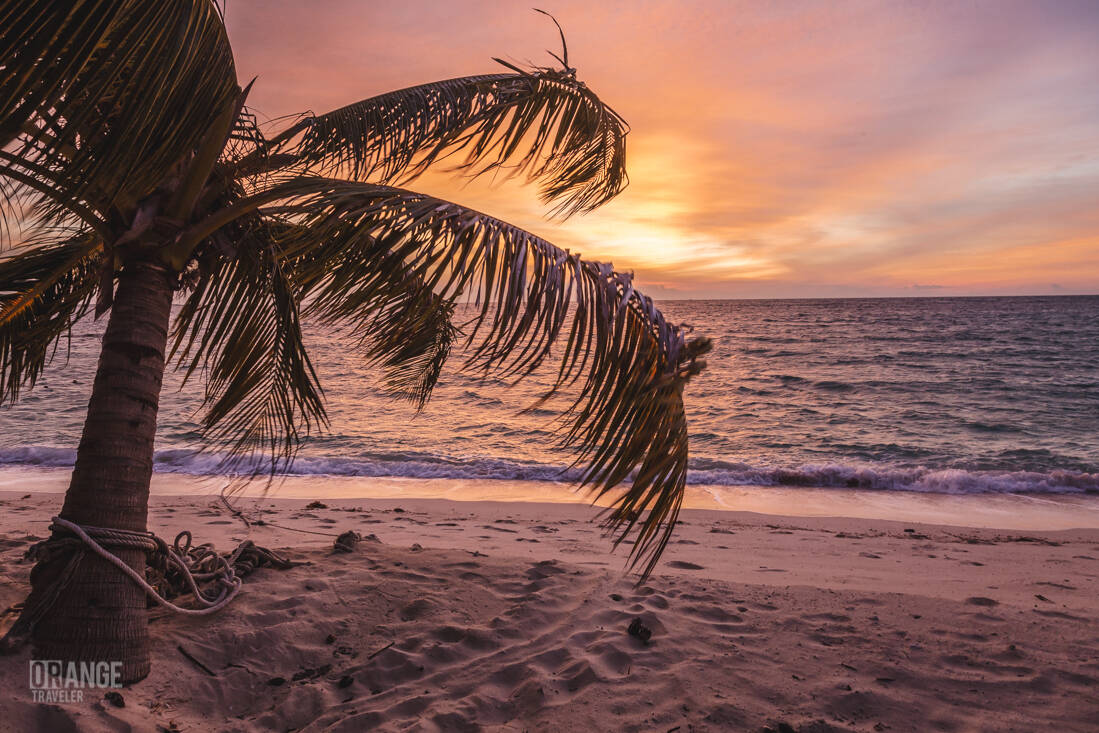
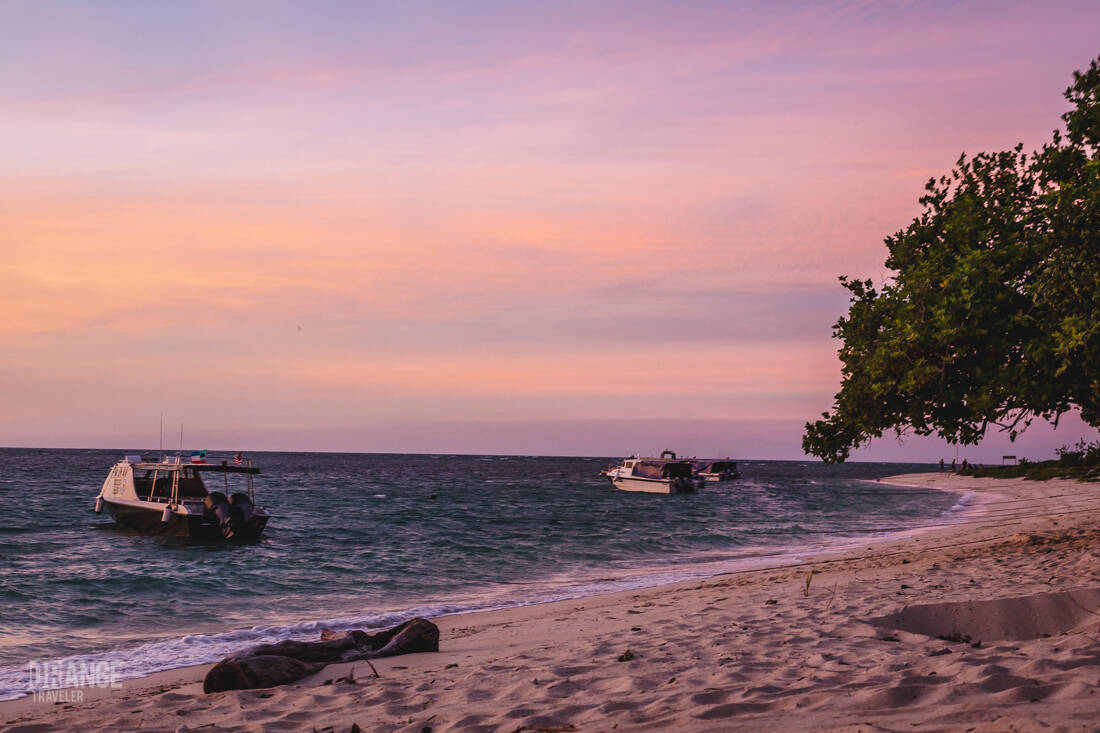
Before sunset, everyone present on Selingan Island gathered on the beach. It was one of those sunsets you remember forever — with incredible colors in the sky, patterns of clouds, and the symbolism of a fading day. At some point, after hundreds of pictures taken, I simply wanted to sit on the trunk of a fallen palm and look at the horizon, licking from my lips the salt brought by the light breeze. Damn beautiful!
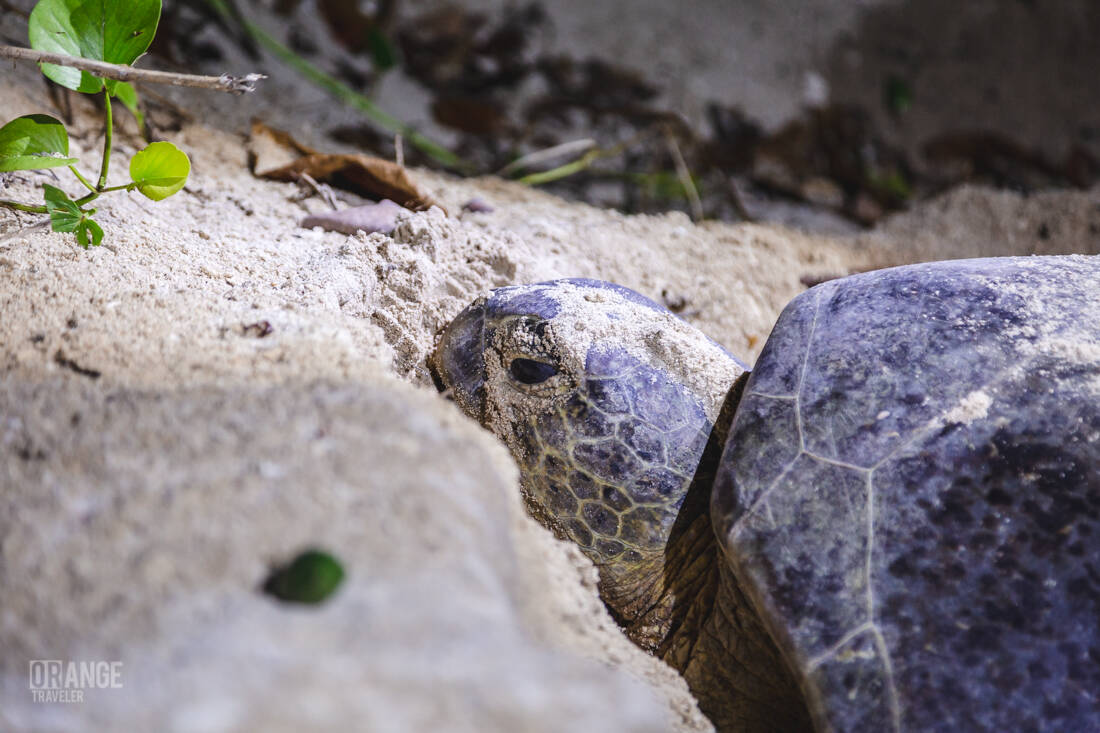
After dinner, the Irish taught me a card game new to me — and just as luck, together with the jokers, had turned in my favor, Berry ran into the living room and announced: a turtle was laying eggs.Dropping our cards, we rushed through the pitch darkness to the beach along the already familiar path. There, a marine reserve ranger with a headlamp was already carefully watching the egg-laying process. The turtle surprised me with her size — she was as large as a solid truck wheel.
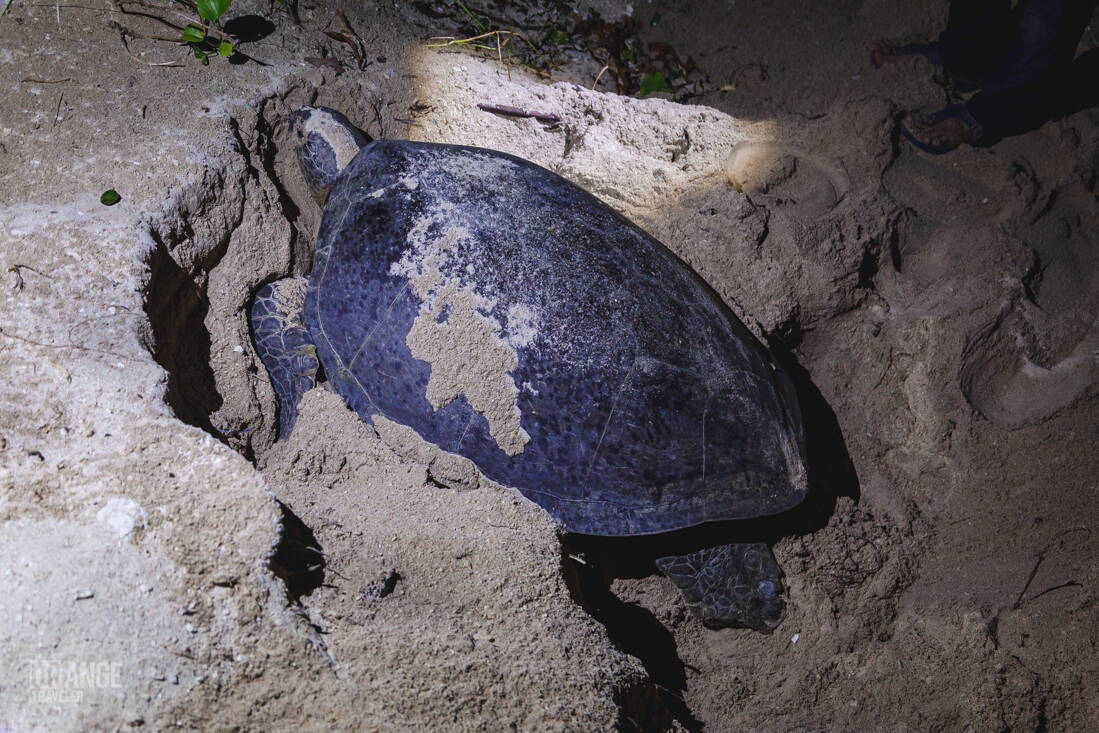
The ranger, like a caring doula, supported the female’s hind flippers so that she could settle more comfortably over the pit she had dug, and from time to time he took the round white balls and placed them in a bucket.
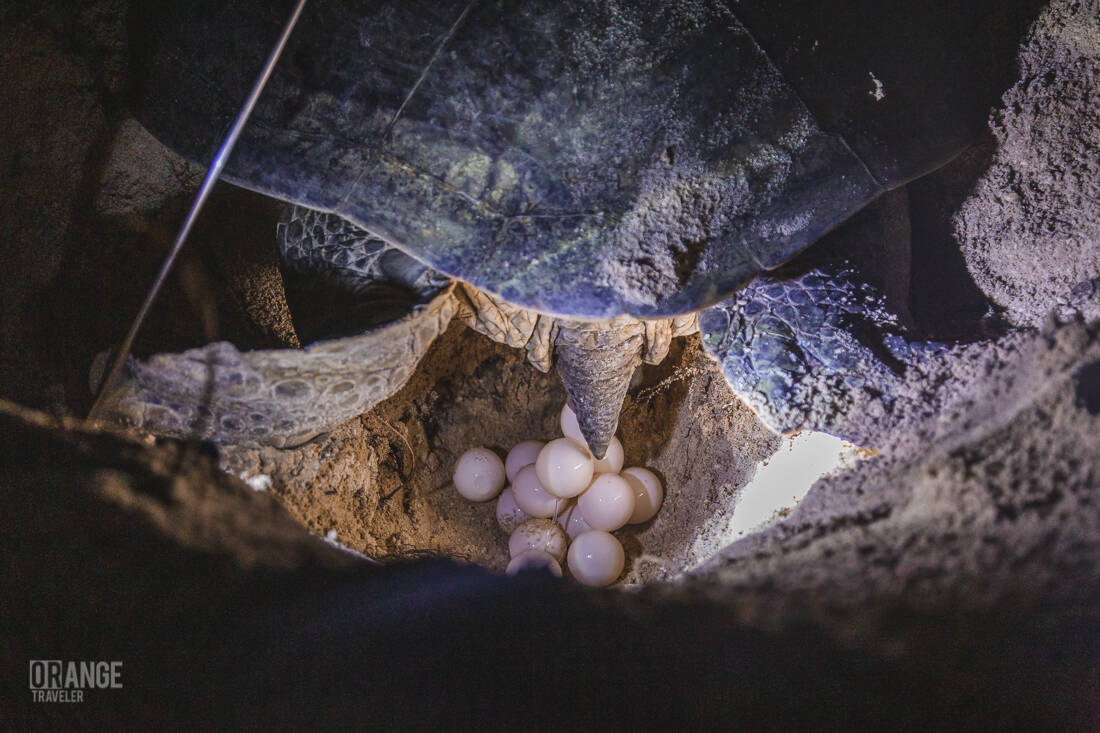
“Do you think it hurts her?” I asked Berry sympathetically.
“Look, she has tears in her eyes,” my guide nodded.
I looked closer; Berry was smiling, and I never understood whether he was joking or serious. But I felt a fierce female solidarity with the turtle.

The turtle fussily began to cover the pit; it was obvious she had finished.
“94! She laid 94 eggs,” the guide announced, making notes in his notebook.
Then he reached for a tape measure to measure the mother’s dimensions. He wrote the figures down in the notebook again. The ranger took his eyes off the turtle; she disappeared into the darkness of the night, and the beam of light now illuminated the path to the incubator.
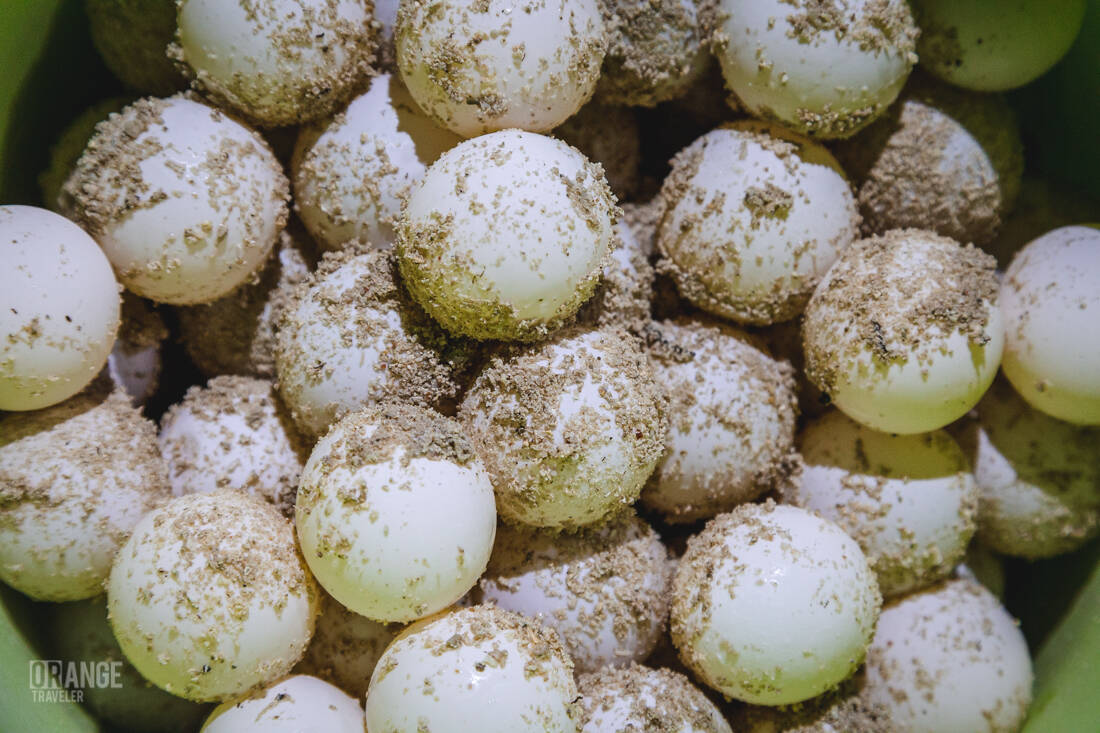
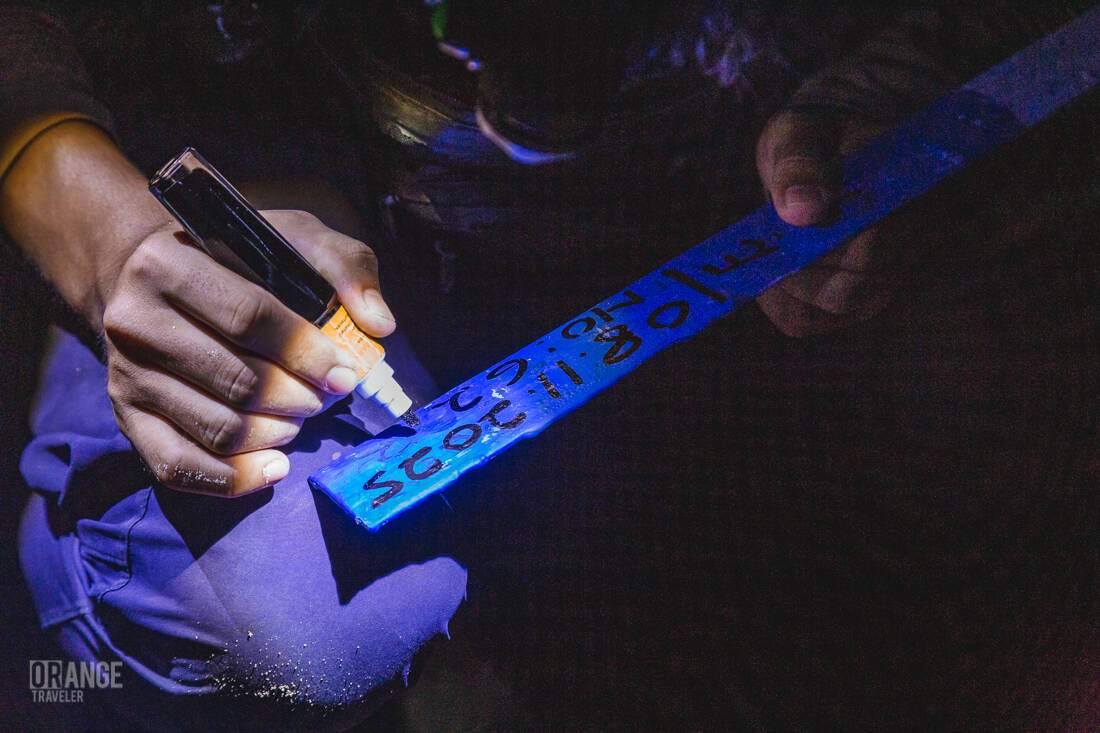
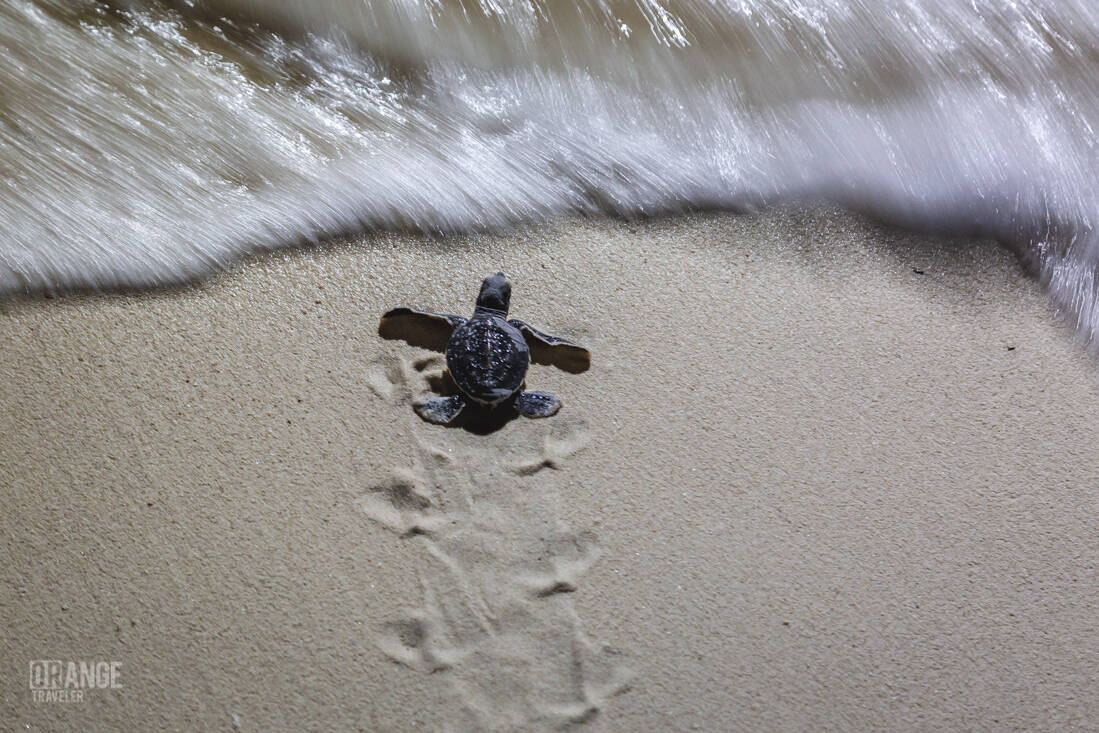
Having dug a new home — the incubation chamber is no different from a natural one: 60–75 centimeters deep — the ranger carefully transferred the eggs into the pit, covered them with sand, and set a marker with the date and the number 94. Moving to the front rows, he carefully inspected the nesting area and collected the hatched baby turtles into a tray. They frantically moved their tiny flippers, climbing over one another, trying instinctively to find the way to the sea.
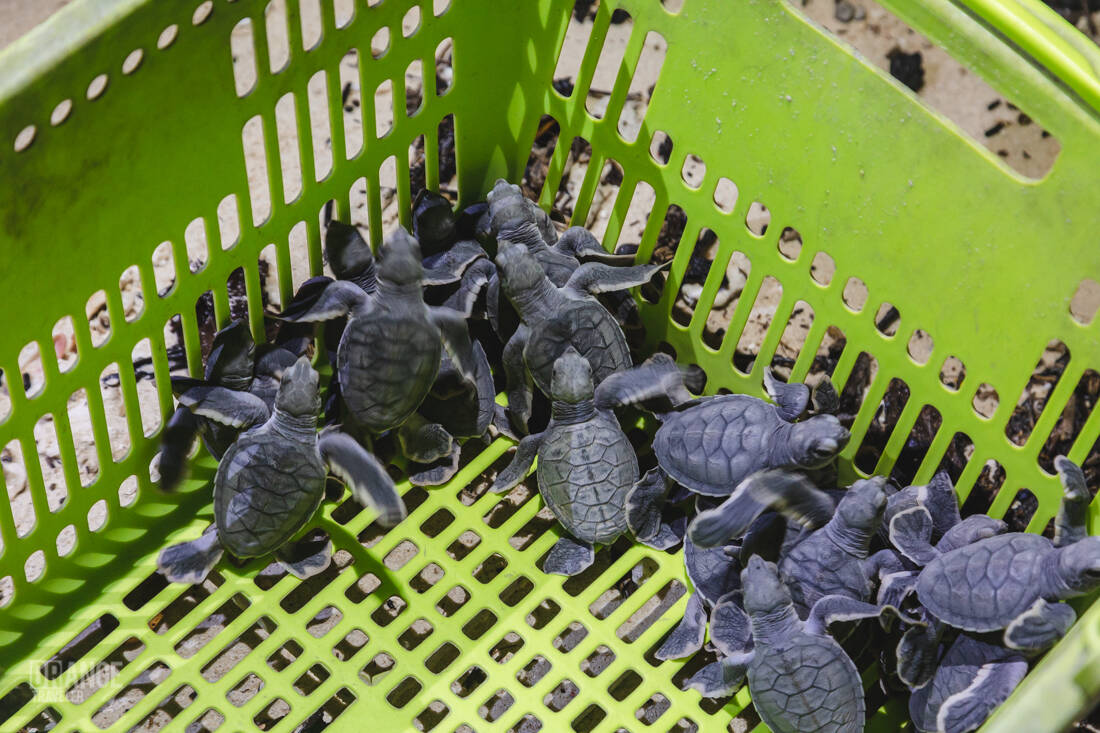
We returned to the beach again. This was our turtle graduation ceremony — each of us was entrusted with becoming the one to give these babies the road into their new life. The symbolism of the moment even brought tears to my eyes. I hope more of these tiny ones survive. I did not want to think that some of them would become dinner for marine predators.
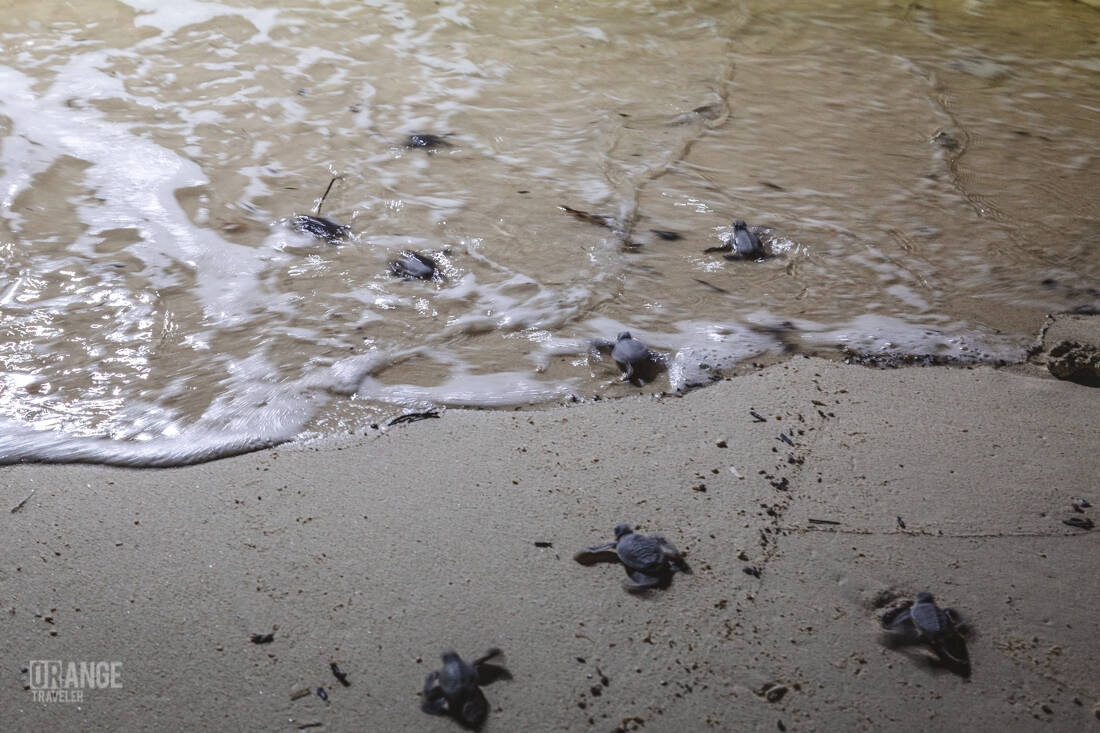
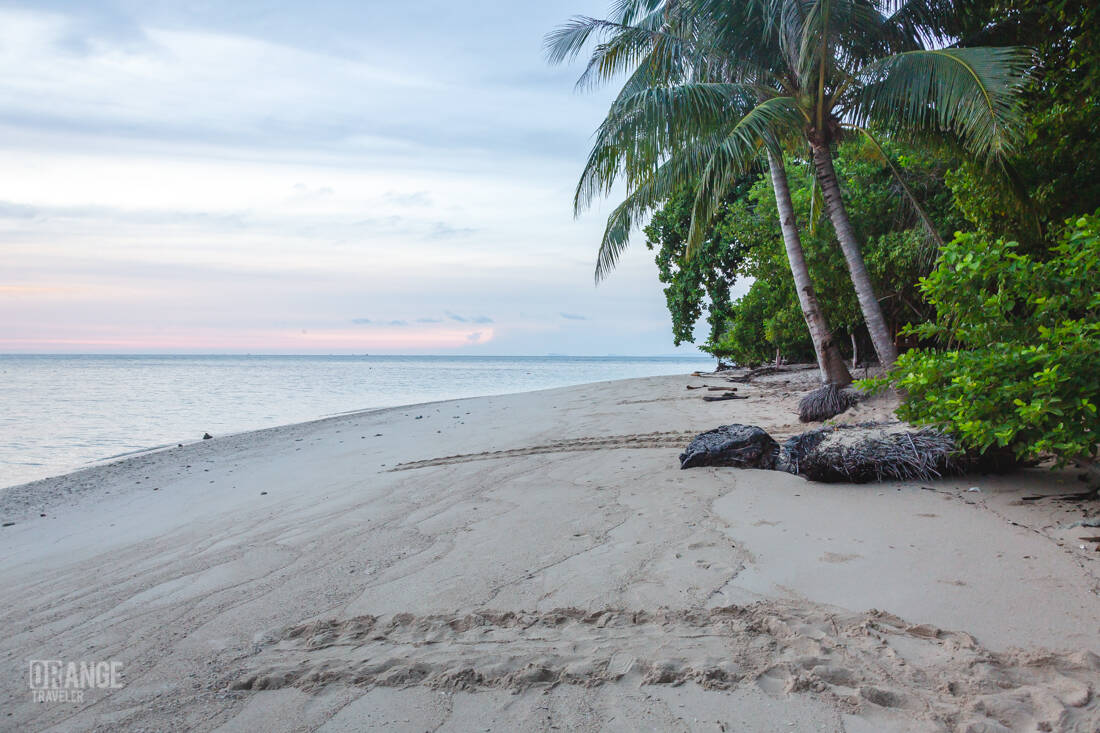
And although the temptation to repeat it all was great, it is strictly forbidden. You cannot be on the beach at night; turtles are sensitive to any movement. By midnight, we returned to our rooms, full of impressions. I dreamed of the sea; I dreamed of big smiling turtles, as if flying above coral reefs. I sprang up before dawn. I rushed to the beach past sleepy border guards, who looked at me in bewilderment. Everywhere were traces of the turtles’ nighttime outings — the sea had not yet had time to wash them away. I counted more than ten. Amazingly, while I was sleeping, the ladies in shells were coming ashore and laying eggs, carrying on this course of evolution and their lineage.
“By the way,” Berry told me on the way back to Sandakan. “Not all nests are emptied by park staff; some are left untouched. Monitor lizards, eagles, and sharks need something to eat too. It’s a natural process of selection.”
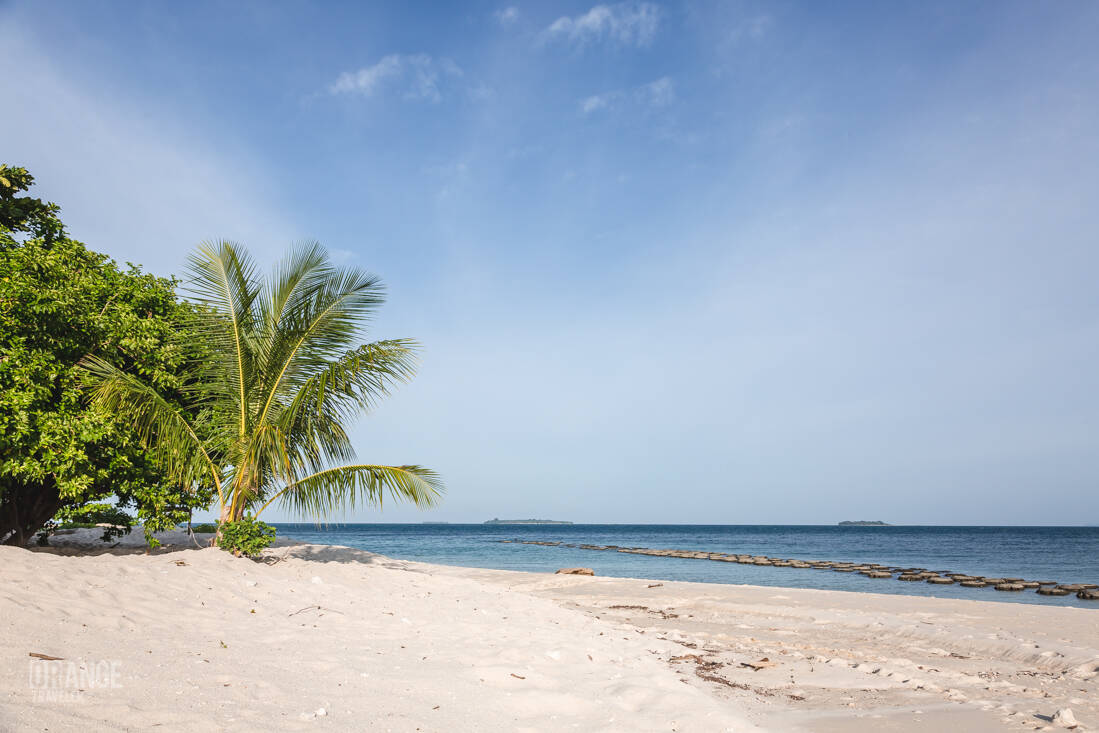
Since Turtle Islands Park is a protected area, you must obtain permission to visit it. The simplest way — and the only possible one — is to book a tour with one of the licensed tour agents, who will arrange all the necessary documents. The park entrance fee is RM 60 for adults and RM 30 for children under 17. The number of guests on Selingan Island is limited to forty. Most tours to Turtle Island Borneo start from Sandakan, a coastal city in Sabah, Malaysia. From there, the boat ride to Selingan Island takes about one hour.
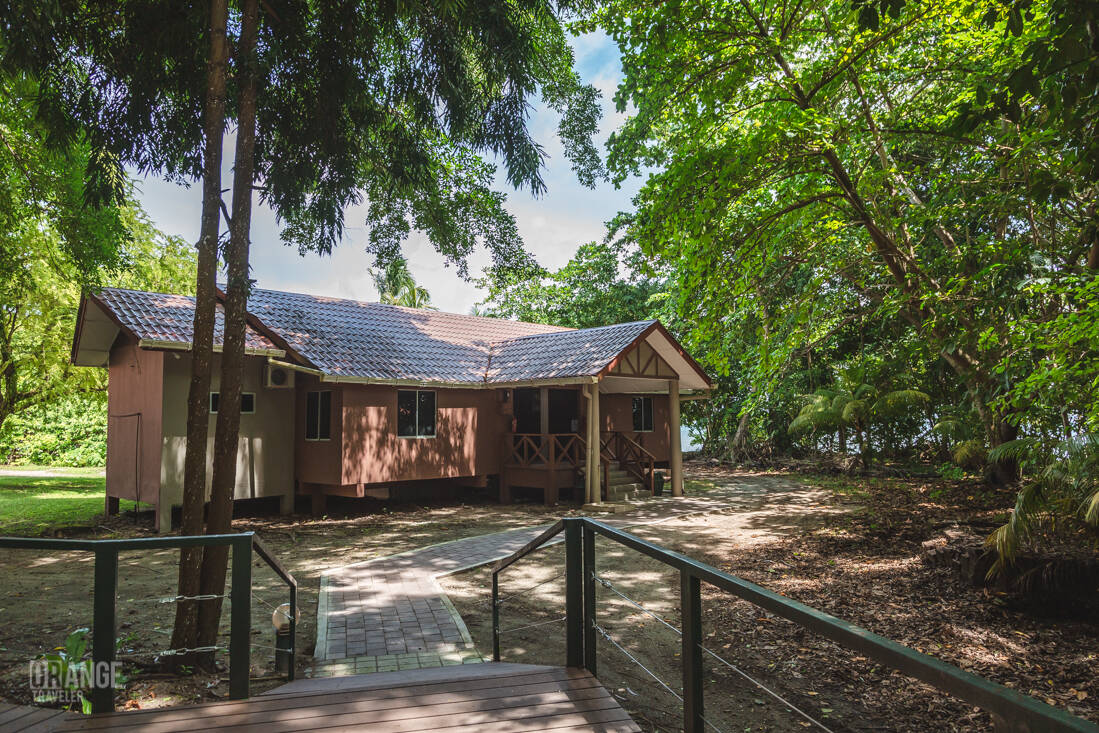
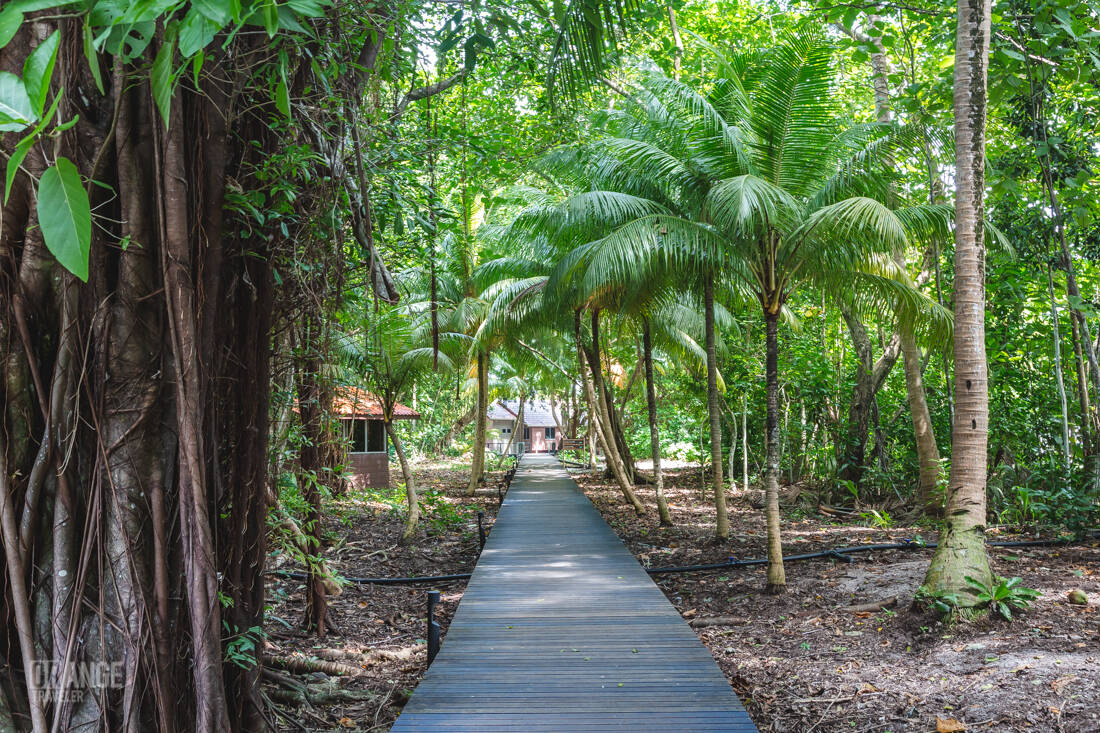
The chalets on Selingan Island are modest but comfortable. The room has air conditioning, a shower and toilet, and the necessary amenities. It is not recommended to take large luggage to the island; you can leave it in a hotel storage room or, for a fee, at the tour company’s office on the pier. A reusable water bottle is a good idea — there is a place to refill it at the camp. Only cash is accepted for payment on the island.
I was on Selingan Island in November. The Sulu Sea was completely calm for two days; by evening, it was a little windy on the island. None of this bothered the turtle mothers — they appeared on time and did their small part in carrying on the line. The best time to visit Turtle Island Borneo is considered to be from July to October, which generally coincides with the peak season in the state of Sabah, though there are many times more tourists during those months.
Turtle nesting on Selingan Island happens throughout the year, which makes this one of the most remarkable wildlife experiences in Malaysian Borneo.
More to read about Borneo:
Bantang Ai National Park
Kinabatangan River Cruise
Labuk Bay: The Proboscis Monkey Forest
Sepilok Orangutan Rehabilitation Centre


 Travel reportage
Leave a comment